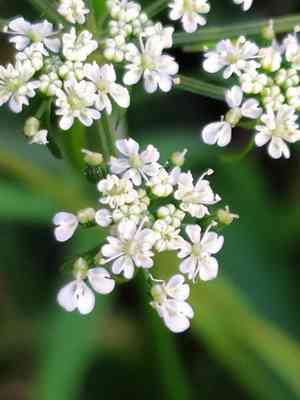
Fool's parsley (Aethusa cynapium)
Also known as: Fool's cicely
Fool's parsley, scientifically known as *Aethusa cynapium*, is an annual herb that is toxic and often mistaken for Queen Anne's Lace. Although commonly found in the Northeastern United States, it can also grow in other regions. This plant is related to hemlock and is considered a common weed.
Attributes of Fool's parsley
Images of Fool's parsley
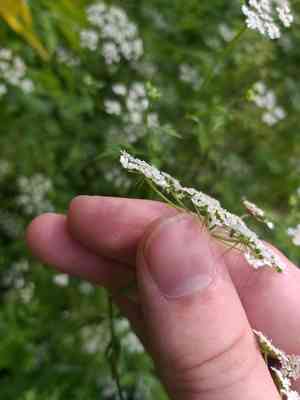
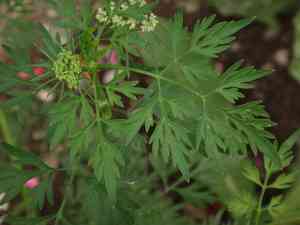
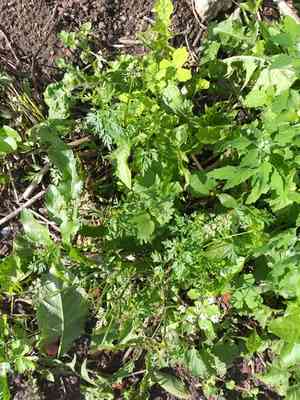
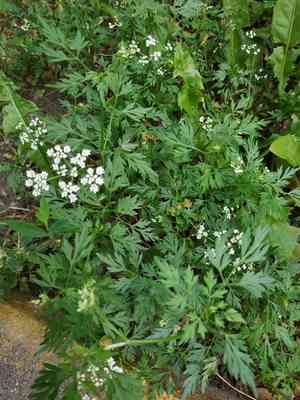
Quickly Identify Fool's parsley
Scientific Classification of Fool's parsley
Planting and Growing of Fool's parsley
 How to Water Fool's parsley?
 What Are the Sunlight Requirements for Fool's parsley?
 What Is the Ideal Temperature Range for Fool's parsley?
 What Soil is Best for Fool's parsley?
 How to Fertilize Fool's parsley?
 How to Prune Fool's parsley?
 How to Propagate Fool's parsley plant?
 How to Repot Fool's parsley plant?
Toxicity of Fool's parsley
Is Fool's parsley toxic to humans?
Fool's parsley represents a serious danger to humans owing to its highly toxic nature. Every part of this plant contains harmful substances, with poisoning typically occurring through consumption. The toxicity arises from coniine, a potent and dangerous compound that leads to the plant's adverse effects. When ingested, fool's parsley can trigger a variety of symptoms, including intense gastrointestinal distress characterized by vomiting and diarrhea, alongside nervous system issues such as tremors, seizures, and potentially life-threatening respiratory failure. Its similarity to benign herbs raises the risk of accidental consumption, highlighting the necessity for caution while foraging or interacting with unfamiliar plants.
Is Fool's parsley toxic to cat?
Fool's parsley represents a significant danger to the health of cats. If cats ingest any part of fool's parsley, they face a high risk of acute poisoning. The whole plant, including its leaves, stems, and roots, harbors dangerously high levels of toxicity. After ingestion, affected cats may display unmistakable signs of distress, signaling acute poisoning. One of the harmful compounds found in fool's parsley, coniine, is considered particularly perilous. Given the seriousness of this issue, it is essential for any cat suspected of consuming fool's parsley to be taken urgently to a veterinary clinic for immediate care.
Is Fool's parsley toxic to dog?
Fool's parsley presents a significant toxicity threat to dogs. Canines may unwittingly consume various parts of this plant, resulting in poisoning. Every part of the plant contains toxic properties, and if a dog ingests any section, it could lead to severe poisoning symptoms. Key indicators to monitor include vomiting, diarrhea, excessive salivation, lethargy, seizures, and potentially life-threatening respiratory failure. Swift veterinary intervention is essential if there are any concerns or indications that a dog has ingested fool's parsley. Timely treatment can be critical for survival.



