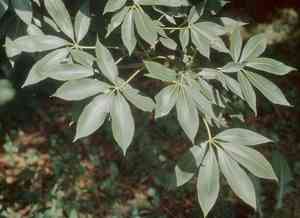
Buckeye (Aesculus)(Aesculus)

Buckeye (Aesculus) (Aesculus)

Also known as: conker trees

Buckeye (Aesculus) shrubs and small trees are deciduous and widely recognized for their ornamental value. They are sometimes called "horse chestnuts," although they are not true chestnuts and their seeds are inedible. Buckeyes are appreciated for their resilience and attractive, upright flower clusters.

**Key Characteristics:**
- Deciduous nature
- Leaves with five to seven leaflets
- Showy, upright flower clusters in various colors
- Seeds resembling a deer's eye

**Common Uses:**
- Ornamental landscaping
- Enhancing native plant gardens
- Supporting pollinators like bees and butterflies with their flowers

**Safety Note:** Buckeye seeds and other plant parts are toxic if ingested, so they should be planted with caution around children and pets.

Attributes of Buckeye (Aesculus)

Lifespan
Perennial
Plant Height
12 to 25 meters
Spread
10 to 15 meters
Leaf Color
Green
Flower Size
10 to 20 cm (flower spikes)
Flower Color
White, pink, red

ForwardPlant - Identify plants with a snap

Identify and diagnose plants, get toxicity alerts, and explore safety guides for all types of fungi.

Try for Free

Images of Buckeye (Aesculus)

Buckeye (Aesculus)(Aesculus)

Quickly Identify Buckeye (Aesculus)

1
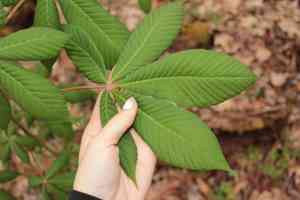
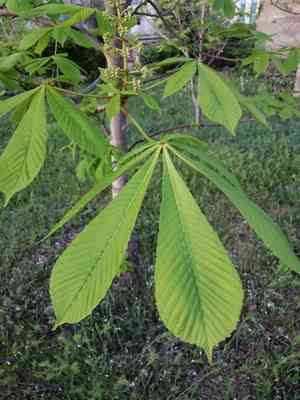
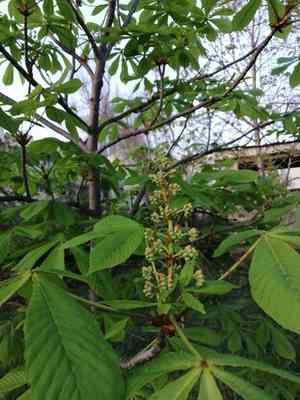
Aesculus can be identified by its palmately compound leaves, which typically have 5-7 leaflets. The tree also produces large, showy flower spikes that are white, pink, or red, and spiny fruits containing one or more seeds called conkers.

Scientific Classification of Buckeye (Aesculus)

Phylum
Magnoliophyta
Class
Magnoliopsida
Order
Sapindales
Family
Sapindaceae
Genus
Aesculus

Planting and Growing of Buckeye (Aesculus)

Care Difficulty
Moderate
Watering Schedule
Every 2 days
Sunlight Requirements
Full sun
Sunshine Duration
6-10 hours
Ideal Temperature
60-75℉
Soil Type
Potting Mix, Peat Mix
Soil pH
6.5-7.5
Fertilizer Type
Balanced
Pruning Season
Spring, Summer
Pruning Area
Branches, Leaves
Pruning Frequency
2 times a year
Repotting Season
Spring
Pot Type
Plastic, Ceramic

water icon How to Water Buckeye (Aesculus)?

Aesculus trees prefer soils that are consistently moist but not waterlogged. Watering should be sufficient to soak the root zone thoroughly, typically around 1000 milliliters, ensuring proper hydration without pooling water.
What are the symptoms of an underwatered Buckeye (Aesculus)?
What should I do if my Buckeye (Aesculus) is not getting enough water?
What are the symptoms of an overwatered Buckeye (Aesculus)?
How to save an overwatered Buckeye (Aesculus)?

sunlight icon What Are the Sunlight Requirements for Buckeye (Aesculus)?

Sunlight Requirements: Full sun, Partial sun
Duration of light: 6 to 8 hours
Aesculus thrives best in full sun to partial sun conditions, benefiting from at least 6 to 8 hours of sunlight daily. This ideal range supports vigorous growth, vibrant foliage, and optimal flowering.
How many hours of sunlight does Aesculus need?
What solutions can help Aesculus achieve its ideal lighting?
What benefits arise from meeting Aesculus' light needs?

temperature icon What Is the Ideal Temperature Range for Buckeye (Aesculus)?

Ideal Temperature: 60 ~ 75℉
The ideal temperature range for cultivating Aesculus species is between 60°F and 75°F. This range ensures optimal growth and health, supporting the plant's physiological processes. At these temperatures, the plant can efficiently photosynthesize and grow, provided other conditions like sunlight and water are also met.

soil icon What Soil is Best for Buckeye (Aesculus)?

Soil type: Loam, Sandy loam, Clay soil
Soil PH: 6.5 ~ 7.5
Aesculus prefers soil rich in organic matter which provides essential nutrients, supporting vigorous growth and vibrant foliage. This condition mimics its native habitat, offering ideal nutrient availability. Proper moisture retention is crucial for Aesculus to prevent drought stress. Well-draining yet moisture-retentive soils prevent waterlogging and root rot, ensuring the roots remain hydrated and healthy. Aesculus thrives in soil that allows for excellent aeration. This prevents compaction, promotes root expansion, and ensures oxygen availability, all of which contribute to robust plant growth and resilience.

fertilize icon How to Fertilize Buckeye (Aesculus)?

Fertilizer type: Balanced
When fertilizing Aesculus, use a balanced 10-10-10 liquid fertilizer diluted to half-strength. For slow-release fertilizers, distribute 1 pound per inch of trunk diameter annually. Always ensure even distribution to avoid localized nutrient overload.

prune icon How to Prune Buckeye (Aesculus)?

Pruning Time: Spring, Summer
Start by inspecting the Aesculus tree for any dead, damaged, or diseased branches, which should be pruned to prevent pest infestations and diseases. Use clean, sharp pruning shears or saws to make clean cuts at the branch collar. Aim to open up the canopy to allow light and air to penetrate, which supports healthy growth. If the tree is young, consider shaping its framework to establish a strong foundation for its structure. Always step back periodically to assess the overall shape and balance of the tree as you prune.

propagate icon How to Propagate Buckeye (Aesculus) plant?

Propagate Time: Spring,Early spring
1
Collect mature seeds directly from the tree and remove any outer coatings. Soak the seeds in water for 24 hours before planting to improve germination rates.
2
Select healthy, young stems for cuttings. Cut them at a 45-degree angle and dip the ends in rooting hormone to stimulate root growth.
3
Choose a compatible rootstock and make a clean incision to insert the scion. Secure it with grafting tape to ensure good contact and successful adhesion.

repot icon How to Repot Buckeye (Aesculus) plant?

Repotting frequency: Every 2-3 years
1
Repotting Aesculus is necessary when you notice its roots peering through the drainage holes or the plant seems root-bound. Spring or autumn are ideal seasons to repot as the plant is more dormant, reducing the risk of stress.
2
Select a pot that's only slightly larger than the current one to ensure that the plant doesn't expend too much energy on root growth instead of foliage development. A pot with good drainage holes is crucial to prevent waterlogging and root rot.
3
Opt for a well-draining soil mix rich in organic matter. A blend of peat, perlite, and coarse sand will provide good drainage while maintaining enough moisture retention for the plant's needs. Fertility is important to support robust growth.

ForwardPlant - Identify plants with a snap

Find the best spots for them to optimize their health, simply using your phone.

Try for Free

Toxicity of Buckeye (Aesculus)

Is Buckeye (Aesculus) toxic to cat?

The buckeye is known to contain saponins, which are highly toxic to cats; consuming any part of the plant creates a veterinary emergency. Every component is harmful, including buds, nuts, seedlings, bark, and even honey derived from the buckeye. Poisoning symptoms may manifest as vomiting, diarrhea, lack of coordination, dilated pupils, lethargy, seizures, and convulsions.

Is Buckeye (Aesculus) toxic to dog?

Each and every component of the buckeye (Aesculus) plant possesses a level of toxicity that ranges from moderate to severe for dogs, whether ingested or merely touched, and poses a risk of fatality. The bark, seeds, and fresh leaves/stems contain the highest concentration of harmful substances. Symptoms may vary from unusual behavior to muscle weakness and tremors, potentially culminating in death. It is essential to keep dogs away from buckeye trees, and should there be any suspicion of ingestion, seeking veterinary assistance may be imperative!


Identify toxic plants for your safety

Learn which plants are harmful to you and your pets, and make informed choices for a safer home!

Try for Free
WARNING
The judgment on toxicity and danger is for reference only. We DO NOT GUARANTEE any accuracy of such judgment. Therefore, you SHALL NOT rely on such judgment. It is IMPORTANT TO SEEK PROFESSIONAL ADVICE in advance when necessary.
More About Toxic Techniques