California buckeye(Aesculus californica)

California buckeye (Aesculus californica)

Also known as: California Buckeye, California Horse-chestnut

The California buckeye (*Aesculus californica*), also known as the California Horse-chestnut, is a small tree or large shrub belonging to the Sapindaceae family. It is the sole species of buckeye native to California.

Attributes of California buckeye

Lifespan
Perennial
Plant Type
Tree
Plant Height
4.5 m to 9 m
Spread
4.5 m to 9 m
Leaf Color
Green Red
Flower Size
8 cm to 15 cm
Flower Color
White Pink Yellow

PlantJoy - Identify plants with a snap

Identify and diagnose plants, get toxicity alerts, and explore safety guides for all types of fungi.

Try for Free

Images of California buckeye

California buckeye(Aesculus californica)

Quickly Identify California buckeye

1
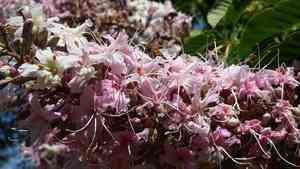
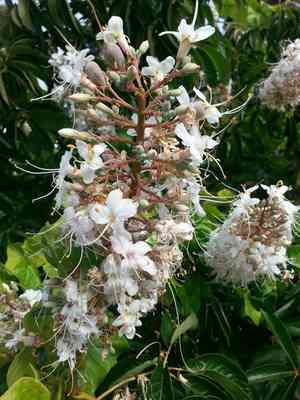
Creamy white flowers with pink tinges in clusters, 6-12 inches (15-30 cm) long.
2
Extended stamens longer than petals on fragrant flowers, blooming in late spring.
3
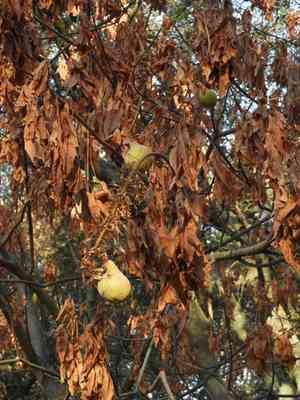
Smooth fruit capsules resembling pears or figs, enclosing large, shiny, dark brown seeds.
4
Dark green, shiny leaves palmately divided into 5 narrow-elliptic leaflets with fine teeth.
5
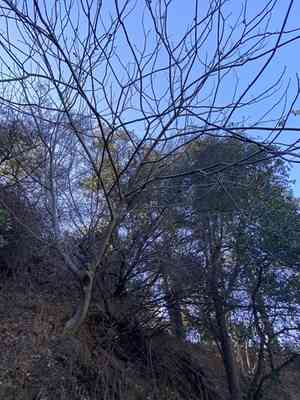
Silvery gray bark transitioning from reddish branchlets, visually distinct in winter.

Scientific Classification of California buckeye

Phylum
Vascular plants
Class
Dicotyledons
Order
Sapindales
Family
Soapberry
Genus
Buckeye
Species
California buckeye

Planting and Growing of California buckeye

Care Difficulty
Easy
Watering Schedule
Every 2 days
Sunlight Requirements
Full sun
Sunshine Duration
6-10 hours
Ideal Temperature
60-75℉
Soil Type
Potting Mix, Peat Mix
Soil pH
6.5-7.5
Fertilizer Type
Balanced
Pruning Season
Spring, Summer
Pruning Area
Branches, Leaves
Pruning Frequency
2 times a year
Repotting Season
Spring
Pot Type
Plastic, Ceramic

water icon How to Water California buckeye?

Aesculus californica has a deep root system, so when watering, ensure the water seeps deep into the soil. Each session should provide about 500 ml of water, enough to moisten the top 6 inches of soil but not waterlogged, allowing the roots to efficiently uptake nutrients.
What are the symptoms of an underwatered California buckeye?
What should I do if my California buckeye is not getting enough water?
What are the symptoms of an overwatered California buckeye?
How to save an overwatered California buckeye?
More About Watering Techniques

sunlight icon What Are the Sunlight Requirements for California buckeye?

Sunlight Requirements: Full sun, Partial sun
Duration of light: 6 to 8 hours
Aesculus californica prefers full to partial sun for best growth. Ideal light encourages sturdy growth, vibrant foliage, and prolific flowering, underscoring the importance of sufficient sun exposure.
How much direct sunlight does Aesculus californica require?
What if only partial sunlight is available?
What are the best solutions for obtaining ideal lighting?
More About Sunlight Requirements Techniques

temperature icon What Is the Ideal Temperature Range for California buckeye?

Ideal Temperature: 60 ~ 75℉
Aesculus californica thrives in a temperature range of 60 to 75°F. This range provides optimal conditions for photosynthesis and overall plant growth. temperatures in this range ensure that the plant's metabolic processes function efficiently.

soil icon What Soil is Best for California buckeye?

Soil type: Loam, Sandy loam
Soil PH: 6.5 ~ 7.5
Aesculus californica thrives in well-draining soils. Efficient drainage prevents root rot by facilitating proper air circulation and avoiding waterlogging, which can be detrimental to the tree's health. The tree benefits from soils rich in organic matter. This enhances the availability of essential nutrients, promoting vigorous growth and robust foliage, ensuring the tree becomes a stunning feature in any landscape. A pH range of 6.5 to 7.5 is ideal for Aesculus californica. Staying within this range ensures optimal nutrient uptake, aiding in healthy development and resistance against common soil-borne diseases. More About Soil

fertilize icon How to Fertilize California buckeye?

Fertilizer type: Balanced
When fertilizing Aesculus californica, use a balanced fertilizer with an NPK ratio of 10-10-10. For liquid fertilizers, mix 1 tablespoon per gallon of water. This should sufficiently cover the plant without overloading its nutrition needs. More About Fertilizing Techniques

prune icon How to Prune California buckeye?

Pruning Time: Spring, Autumn
To start pruning Aesculus californica, first, identify any dead, damaged, or diseased branches, and remove them with clean, sharp pruning shears to prevent the spread of disease. Next, focus on branches that cross or rub against each other as they can cause wounds leading to infections. When cutting, make your cuts at a slight angle away from a bud to encourage the new growth to develop outward rather than inward, which ensures good air circulation and sunlight penetration through the tree canopy. More About Pruning Techniques

propagate icon How to Propagate California buckeye plant?

Propagate Time: Spring,Late spring
1
Gather seeds from mature Aesculus californica seed pods or take cuttings from a healthy, non-flowering branch during the early spring when the plant is actively growing.
2
For seeds, use a well-draining soil mix. For cuttings, a mix of sand and peat works well, as it provides good aeration and moisture retention.
3
Sow seeds in seed trays or plant cuttings in pots, then keep them in a warm and bright location, watering as needed to maintain moisture without waterlogging.
More About Propagating Techniques

repot icon How to Repot California buckeye plant?

Repotting frequency: Every 2-3 years
1
Aesculus californica needs repotting when its roots start peeking out of the drainage holes or when growth seems stunted despite appropriate care. Spring and summer are ideal times for repotting. It's important to give the tree a fresh start with new soil, and the warmer months allow for better recovery as the plant is more active.
2
Choose a pot that is 2-4 inches larger in diameter than the current one to allow for root expansion. Ensure it has ample drainage holes to prevent waterlogging, which can lead to root rot. The extra space not only accommodates growing roots but also provides room for more soil, which retains moisture and nutrients better, supporting healthier growth.
3
Select a well-draining sandy loam mix to provide the ideal balance of moisture retention and aeration. This soil type mimics the plant’s natural environment and prevents water stagnation, which can be detrimental to the roots. The added sand improves drainage, while loam holds enough moisture and nutrients to sustain the plant.

PlantJoy - Identify plants with a snap

Find the best spots for them to optimize their health, simply using your phone.

Try for Free

Toxicity of California buckeye

Is California buckeye toxic to humans?

Every component of the California buckeye is infused with toxic glycosides and saponins, potentially leading to serious health issues in humans. Ingesting significant quantities of this plant can result in loss of motor coordination, muscle spasms, anxiety, depressive symptoms, gastrointestinal disturbances, colic, vomiting, diarrhea, muscle weakness, paralysis, and in extreme cases, coma. There are instances where the nuts are mistakenly roasted and consumed by humans, which is a primary cause of poisoning. Additionally, young children, drawn by curiosity, may put parts of this plant in their mouths, necessitating that they be kept at a safe distance from it.

Is California buckeye toxic to cat?

The California buckeye presents a moderate risk of toxicity for cats. A cat can be exposed to this hazard if it consumes any portion of the plant, as every part is harmful. Following the ingestion of California buckeye, cats may show signs of physical unease that can manifest as various potential symptoms of illness. Due to the health risks linked with ingestion, it is critical to seek immediate veterinary assistance if there is any doubt that a cat has eaten any part of the California buckeye. Quick medical intervention is essential for managing the cat's health condition and facilitating recovery. Pet owners should ensure that California buckeye is placed beyond the reach of their feline friends to avert accidental poisoning.

Is California buckeye toxic to dog?

California buckeye presents a moderate risk of toxicity for dogs. All parts of this plant are toxic, meaning that canines can be poisoned by consuming any part of it. If a dog consumes parts of california buckeye, it may show symptoms like gastrointestinal distress, weakness, or more serious signs depending on the amount ingested. It is essential for dog owners to keep their pets away from california buckeye, and to seek prompt veterinary attention if they believe their dog may have ingested any portion of this plant.

Identify toxic plants for your safety

Learn which plants are harmful to you and your pets, and make informed choices for a safer home!

Try for Free
WARNING
The judgment on toxicity and danger is for reference only. We DO NOT GUARANTEE any accuracy of such judgment. Therefore, you SHALL NOT rely on such judgment. It is IMPORTANT TO SEEK PROFESSIONAL ADVICE in advance when necessary.
More About Toxic Techniques