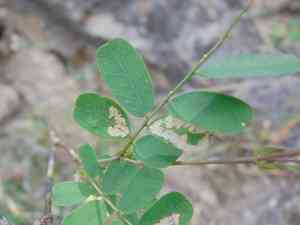
Jointvetches (Aeschynomene) (Aeschynomene)
Also known as: Jointvetch, Sensitive Jointvetch
Aeschynomene is a genus of flowering plants in the legume family, Fabaceae. The plants in this genus are commonly known as jointvetches. These plants are typically found in wetland areas and are known for their unique ability to thrive in aquatic environments.
In This Article
Attributes of Jointvetches (Aeschynomene)
Lifespan
Annual, Perennial
Plant Height
30-100 cm
Spread
Varies widely, typically around 50-150 cm
Leaf Color
Green
Flower Size
1-2 cm
Flower Color
Yellow, sometimes white
Images of Jointvetches (Aeschynomene)
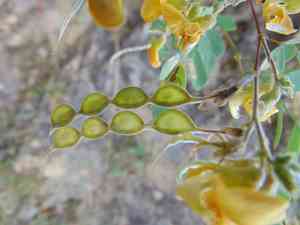
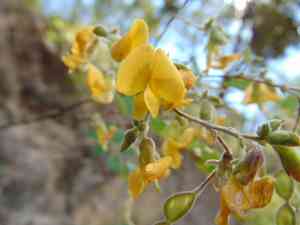
Quickly Identify Jointvetches (Aeschynomene)
1
Aeschynomene can be identified by its distinctive jointed stems, pinnate leaves, and yellow or white flowers that resemble a pea flower. The plant often has a sensitive reaction to touch, with leaves folding upon stimulation.
Scientific Classification of Jointvetches (Aeschynomene)
Phylum
Tracheophyta
Class
Magnoliopsida
Order
Fabales
Family
Fabaceae
Genus
Aeschynomene
Planting and Growing of Jointvetches (Aeschynomene)
Care Difficulty
Moderate
Watering Schedule
Every 4 days
Sunlight Requirements
Full sun
Sunshine Duration
4-8 hours
Ideal Temperature
68-86℉
Soil Type
Potting Mix, Peat Mix
Soil pH
5.5-7.5
Fertilizer Type
Balanced
Pruning Season
Spring, Summer
Pruning Area
Leaves, Branches
Pruning Frequency
Once a year
Repotting Season
Spring
Pot Type
Plastic, Ceramic
 How to Water Jointvetches (Aeschynomene)?
Aeschynomene prefers to be watered moderately, allowing the topsoil to dry out slightly between waterings. Aim to provide around 200ml each time, ensuring the soil is moist but not saturated. This balance helps prevent root rot and promotes healthy growth.
What are the symptoms of an underwatered Jointvetches (Aeschynomene)?
›
What should I do if my Jointvetches (Aeschynomene) is not getting enough water?
›
What are the symptoms of an overwatered Jointvetches (Aeschynomene)?
›
How to save an overwatered Jointvetches (Aeschynomene)?
›
 What Are the Sunlight Requirements for Jointvetches (Aeschynomene)?
Aeschynomene flourishes best with full sun to partial sun exposure, receiving 6 to 8 hours of sunlight daily. This range ensures photosynthesis efficiency and bolsters flowering potential, enriching its aesthetic appeal.
What is the best light condition for Aeschynomene?
›
How can I achieve the ideal lighting conditions for Aeschynomene?
›
What benefits does Aeschynomene gain from ideal light?
›
 What Is the Ideal Temperature Range for Jointvetches (Aeschynomene)?
Aeschynomene thrives best in temperatures ranging from 68°F to 86°F. Within this range, the plant can photosynthesize effectively and maintain ideal growth rates. Providing consistent temperatures helps ensure a strong and healthy development of the plant, minimizing stress and promoting robust blooms.
 What Soil is Best for Jointvetches (Aeschynomene)?
Aeschynomene thrives best in well-drained soil conditions, which facilitate proper root development while preventing waterlogging. This condition not only helps prevent root rot but also ensures that nutrients are efficiently absorbed by the plant. To support its lush growth habit, Aeschynomene benefits from soil rich in organic matter. Incorporating compost or well-rotted manure enhances soil fertility, leading to improved plant health and vibrant foliage. While it requires good drainage, Aeschynomene appreciates consistent moisture levels in the soil. Mulching can be useful to maintain humidity and protect the roots from drying out, ensuring sustained growth.
 How to Fertilize Jointvetches (Aeschynomene)?
When fertilizing Aeschynomene, moderation is key. Opt for a balanced fertilizer such as 10-10-10 or 20-20-20. For liquid fertilizers, apply at half-strength to avoid root burn and ensure you’re nourishing the plant without overwhelming it. For slow-release fertilizers, apply according to package instructions, usually about a tablespoon per plant, ensuring even distribution around the root zone.
 How to Prune Jointvetches (Aeschynomene)?
Begin by inspecting the plant for dead or diseased branches, which should be removed first. Look for branches that are crossing or growing inward, and trim those to encourage a healthy growth pattern. When cutting, angle your cuts slightly above a leaf node to promote new growth. If cutting larger branches, do so in stages to avoid tearing the bark. After pruning, water the plant thoroughly to help it recover from the pruning process. Monitor for signs of stress or disease and ensure it receives appropriate sunlight and nutrients.
 How to Propagate Jointvetches (Aeschynomene) plant?
1
Begin by filling a seed tray with a mixture of potting soil and sand for improved drainage. Sow the seeds evenly and cover them lightly with soil. Water the tray gently, ensuring the soil remains moist but not waterlogged.
2
Select a healthy stem from the parent plant and cut a 4-6 inch section using clean scissors. Remove lower leaves and dip the cut end in rooting hormone to encourage root growth. Place the cutting in a pot filled with moistened potting mix.
3
After sowing seeds or planting cuttings, cover the setup with a plastic dome or a bag to retain humidity. Ensure there's adequate ventilation to prevent mold growth. Place in an area with indirect sunlight to encourage growth.
 How to Repot Jointvetches (Aeschynomene) plant?
1
Aeschynomene needs repotting when you notice roots growing out of the drainage holes, or when the growth seems stunted despite proper care. Repot in spring or summer, when the plant is actively growing for the best recovery.
2
Select a pot with ample drainage holes, slightly larger than the current one. A good pot allows excess water to escape, preventing root rot. A pot that's too large can retain too much moisture, risking root issues.
3
Opt for a well-draining sandy loam soil mix. This medium ensures the roots have access to enough air and moisture, mimicking its natural habitat. It prevents waterlogging, reducing the risk of diseases.

