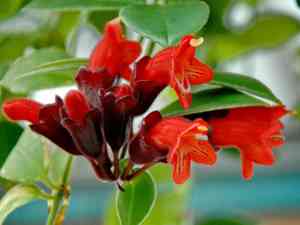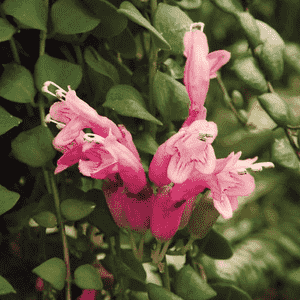
Lipstick plant(Aeschynanthus radicans)

Lipstick plant (Aeschynanthus radicans)

Also known as: Lipstick Plant

The Lipstick plant (Aeschynanthus radicans) is a trailing vine adorned with glossy, succulent-like green leaves and vivid red, tubular flowers that resemble lipstick, giving the plant its distinctive name. Originating from tropical regions, its striking aesthetic has made it a beloved indoor ornamental plant globally. It is particularly favored for its lush appearance and relatively simple care requirements.

### Characteristics:
1. **Foliage:** Shiny, thick green leaves that create a lush, tropical ambiance.
2. **Flowers:** Bright red, tube-shaped blooms that appear primarily in warmer months, reminiscent of lipstick tubes.
3. **Growth Habit:** Trailing growth, ideal for hanging baskets or elevated planters, creating a cascading effect.

### Care Requirements:
1. **Light:** Thrives in bright, indirect light. Can handle some direct sunlight in the morning but should be shielded from intense afternoon sun.
2. **Watering:** Maintain consistent moisture in the soil without letting it become waterlogged. Allow the top layer of soil to dry slightly between waterings.
3. **Humidity:** Prefers high humidity environments. Regular misting or a nearby humidifier can help maintain the necessary moisture levels.
4. **Temperature:** Optimal growth occurs between 65-75°F (18-24°C). Keep the plant away from cold drafts.
5. **Soil:** Requires a well-draining potting mix, such as one designed for orchids or African violets.
6. **Fertilization:** During the growing season, apply a balanced, water-soluble fertilizer every 4-6 weeks.

The Lipstick plant's combination of vibrant flowers and lush foliage, along with its straightforward care regimen, makes it a standout choice for indoor gardening enthusiasts.

Attributes of Lipstick plant

Lifespan
Perennial
Plant Type
Vine
Plant Height
20 cm to 30 cm
Spread
30 cm to 90 cm
Leaf Color
Green
Flower Size
2.5 cm to 8 cm
Flower Color
Red

ForwardPlant - Identify plants with a snap

Identify and diagnose plants, get toxicity alerts, and explore safety guides for all types of fungi.

Try for Free

Images of Lipstick plant

Lipstick plant(Aeschynanthus radicans)

Quickly Identify Lipstick plant

1
Vivid scarlet red tubular flowers with yellow throats, resembling lipstick tubes.
2
Smooth, thick, glossy dark green leaves, ovate to elliptic, growing in opposite pairs.
3
Slender, flexible bright green stems, reaching up to 3 feet (90 cm) in length.
4
Abundant malodorous blooms in terminal clusters, each flower with 5-lobed petals.
5
Lengthy slender fruit capsules, up to 1.5 inches (3.8 cm) long, essential for seed dispersal.

Scientific Classification of Lipstick plant

Phylum
Vascular plants
Class
Dicotyledons
Order
Mints plantains olives and allies
Family
African violet
Genus
Lipstick plants
Species
Lipstick plant

Planting and Growing of Lipstick plant

Care Difficulty
Easy
Watering Schedule
Every 3 days
Sunlight Requirements
Partial sun
Sunshine Duration
6-8 hours
Ideal Temperature
65-75℉
Soil Type
Potting Mix, Peat Mix
Soil pH
6.5-7.5
Fertilizer Type
Balanced
Pruning Season
Spring, Summer
Pruning Area
Branches, Leaves
Pruning Frequency
2 times a year
Repotting Season
Spring
Pot Type
Terracotta, Plastic

water icon How to Water Lipstick plant?

The Aeschynanthus radicans, commonly known as the Lipstick Plant, requires moderate watering. The rule of thumb is to allow the top inch of soil to dry out before watering again. This plant thrives in slightly moist soil, so water until you begin to see excess draining from the pot, ensuring even distribution without waterlogging the roots.
What are the symptoms of an underwatered Lipstick plant?
What should I do if my Lipstick plant is not getting enough water?
What are the symptoms of an overwatered Lipstick plant?
How to save an overwatered Lipstick plant?

sunlight icon What Are the Sunlight Requirements for Lipstick plant?

Sunlight Requirements: Partial sun
Duration of light: 2-4 hours daily
Aeschynanthus radicans benefits from partial sun, ensuring vibrant blooms and robust growth. Proper lighting supports photosynthesis, crucial for vigorous development and flowering.
What is the best location for light?
How to achieve optimal lighting indoors?
What are the benefits of ideal light exposure?
More About Sunlight Requirements Techniques

temperature icon What Is the Ideal Temperature Range for Lipstick plant?

Ideal Temperature: 65 ~ 75℉
The ideal temperature range for Aeschynanthus radicans is between 65°F and 75°F. In this range, the plant can thrive and exhibit optimal growth and flowering. These temperatures mimic the natural environment that the plant experiences in its native habitat, contributing to healthy foliage and blooming cycles. Ensuring a stable temperature within this range is crucial for robust health and longevity.

soil icon What Soil is Best for Lipstick plant?

Soil type: Loam, Sandy loam
Soil PH: 6.5 ~ 7.5
Aeschynanthus radicans requires well-draining soil to prevent root rot and ensure healthy growth. Soil that retains too much moisture can lead to fungal problems. A loamy or sandy loam soil is ideal as it allows excess water to pass through easily while still retaining necessary moisture. This plant thrives in soil rich in organic matter, which provides essential nutrients for vigorous growth. Adding compost or well-decomposed leaf mold can enhance soil fertility, resulting in lush foliage and vibrant flowers. While the soil should be nutrient-rich, it shouldn’t be overly fertile as excess nutrients could lead to excessive foliage at the expense of flowers. A well-balanced potting mix that supports moderate fertility works best for optimal flowering.

fertilize icon How to Fertilize Lipstick plant?

Fertilizer type: Balanced
For Aeschynanthus radicans, apply a balanced water-soluble fertilizer diluted to half strength. Use approximately 1/4 teaspoon (about 1.23 ml) per gallon of water. This ensures nutrients are readily available without overwhelming the plant, supporting healthy growth and vibrant blooms.

prune icon How to Prune Lipstick plant?

Pruning Time: Spring, Summer, Autumn
To keep your Aeschynanthus radicans in the best shape, start by removing any dead or damaged stems. This encourages the plant to direct its energy toward healthy growth. Use sharp, clean scissors to make clean cuts just above a pair of leaves or buds. For a bushier appearance, trim the tips of branches after the flower cycle ends. Make cuts about one-third of the way down each stem above a leaf node. This will promote branching and a fuller plant. Be careful not to remove more than 20% of the plant at once to avoid stress. More About Pruning Techniques

propagate icon How to Propagate Lipstick plant plant?

Propagate Time: Spring, Early Summer
1
Choose a vigorous and disease-free parent plant to ensure healthy propagules. Look for lush green leaves and strong stems as indicators of a good donor plant.
2
Snip a 3-6 inch long cutting from the tip of a healthy stem, ensuring several leaves are attached. Remove the lower leaves to expose a node, which helps in rooting.
3
Place the cutting into a pre-moistened, well-draining potting mix. Cover the setup with a plastic bag to maintain humidity and place it in a warm, well-lit area away from direct sunlight.
More About Propagating Techniques

repot icon How to Repot Lipstick plant plant?

Repotting frequency: Every 2-3 years
1
For Aeschynanthus radicans, the ideal time to repot is when you notice the plant becoming root-bound, with roots emerging from the drainage holes. Another sign is slower growth or the plant drying out quickly after watering, indicating it's time for a larger pot.
2
Select a pot that is one size larger than the current one and ensure it has good drainage holes. This supports healthy root growth and prevents waterlogging, which can harm the roots. A slightly larger pot also gives the plant room to grow without overwhelming its root system.
3
Opt for a well-draining, peat-based potting mix that retains some moisture but never stays soggy. This type of soil helps prevent root rot while providing the nutrients the plant needs to thrive. Adding perlite or orchid bark can improve aeration.
More About Repotting Techniques

ForwardPlant - Identify plants with a snap

Find the best spots for them to optimize their health, simply using your phone.

Try for Free