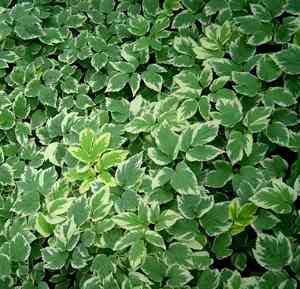
Goutweeds (Aegopodium) (Aegopodium)
Also known as: Ground Elder, Bishop's Weed, Goutweed
Goutweed, native to temperate regions of Asia, is known for its invasive nature, particularly in the Eastern United States where it has been introduced. Identified by its five-petalled white flowers, goutweed spreads aggressively through underground rhizomes. This rapid spread allows it to form dense patches that overpower and displace native vegetation, posing a significant ecological threat by reducing biodiversity and altering natural habitats.
In This Article
Attributes of Goutweeds (Aegopodium)
Lifespan
Perennial
Plant Height
30-90 cm (12-35 inches)
Spread
Spreads indefinitely through rhizomes
Leaf Color
Green, Variegated (Green and Cream)
Flower Size
2-5 mm
Flower Color
White
Images of Goutweeds (Aegopodium)
Quickly Identify Goutweeds (Aegopodium)
1
Aegopodium can be identified by its distinctive trifoliate leaves and its small, white, umbel-shaped flowers. The leaves have a serrated edge and are often mottled with a creamy white color.
Scientific Classification of Goutweeds (Aegopodium)
Phylum
Tracheophyta
Class
Magnoliopsida
Order
Apiales
Family
Apiaceae
Genus
Aegopodium
Planting and Growing of Goutweeds (Aegopodium)
Care Difficulty
Easy
Watering Schedule
Every 3 days
Sunlight Requirements
Partial sun
Sunshine Duration
6-10 hours
Ideal Temperature
60-75℉
Soil Type
Potting Mix, Peat Mix
Soil pH
6.5-7.5
Fertilizer Type
Balanced
Pruning Season
Spring, Summer
Pruning Area
Branches, Leaves
Pruning Frequency
2 times a year
Repotting Season
Spring
Pot Type
Plastic, Ceramic
 How to Water Goutweeds (Aegopodium)?
Aegopodium requires a moderate amount of water, approximately 500 milliliters per session. The key is to ensure the soil is moist but not waterlogged. Water until the top few inches of the soil feel adequately moist, allowing excess water to drain away to prevent root rot.
What are the symptoms of an underwatered Goutweeds (Aegopodium)?
›
What should I do if my Goutweeds (Aegopodium) is not getting enough water?
›
What are the symptoms of an overwatered Goutweeds (Aegopodium)?
›
How to save an overwatered Goutweeds (Aegopodium)?
›
 What Are the Sunlight Requirements for Goutweeds (Aegopodium)?
Aegopodium flourishes in partial sun or full shade conditions. Ideal lighting enhances foliage lushness and boosts overall plant vitality.
Recommended Lighting Conditions
›
Solution Options for Ideal Lighting
›
Achieving Benefits from Ideal Lighting
›
 What Is the Ideal Temperature Range for Goutweeds (Aegopodium)?
The ideal temperature range for Aegopodium, commonly known as goutweed or bishop's weed, is between 60 to 75 degrees Fahrenheit. This range allows the plant to thrive and grow robustly. Maintaining the temperature within this range ensures optimal photosynthesis and reduces stress on the plant, promoting healthy foliage and growth. The moderate climate conditions mimic its native environment, providing a stable growth rhythm.
 What Soil is Best for Goutweeds (Aegopodium)?
Aegopodium favors soil that is rich in organic matter, which means it thrives when the soil is well-fertilized. This abundance in nutrients supports robust growth and a vibrant green appearance of the plant. This plant prefers soil that retains moisture but doesn't stay soggy. This balance helps protect the roots from rot while ensuring the plant has constant access to water for optimal growth. Aegopodium thrives in neutral to slightly acidic or slightly alkaline soils. Maintaining this pH range allows the plant to effectively absorb the nutrients needed for healthy growth, promoting vigorous foliage.
 How to Fertilize Goutweeds (Aegopodium)?
For Aegopodium, it's important to maintain a balanced nutrient supply. Use a water-soluble fertilizer with an NPK ratio of around 10-10-10, applying 1/2 strength solution per the manufacturer’s instructions to avoid nutrient burn.
 How to Prune Goutweeds (Aegopodium)?
To prune Aegopodium, first, identify the overgrown or wilted areas. Use sharp pruning shears to cut back to the base, focusing on areas that look wild. This encourages new growth and prevents the plant from becoming too invasive. During late summer, trim back the flowers and seed heads before they mature. This prevents unwanted spreading as Aegopodium can self-seed prolifically if left unchecked. Every few prunings, thin out dense areas to allow air circulation and light penetration. This not only helps the plant remain healthy but also reduces the risk of fungal diseases due to overcrowding.
 How to Propagate Goutweeds (Aegopodium) plant?
1
Water the Aegopodium plant thoroughly a day before division to ensure that the roots and surrounding soil are moist. This step reduces the stress on the plant during division and makes it easier to separate without inflicting damage.
2
Use a sharp spade to slice through the root ball, ensuring each section has ample roots and at least one growth bud or stem. Handle the divisions carefully to maintain the integrity of the root systems and prevent breakage or drying out.
3
Plant each division at the same depth it was growing before. Firm the soil around the newly planted divisions and water thoroughly to establish good contact with the soil, which encourages root regrowth and reduces transplant shock.
 How to Repot Goutweeds (Aegopodium) plant?
1
Repot Aegopodium when you notice roots growing out of the drainage holes or when it seems to be underperforming despite adequate care. Springtime is ideal as the plant is gearing up for growth; this ensures it can acclimate swiftly to its new environment.
2
Select a pot slightly larger than the current one, with good drainage holes. This enables the roots to spread comfortably while preventing waterlogging, which can lead to root rot. A pot with a depth proportionate to its width aids in stable growth.
3
Opt for a well-draining potting mix rich in organic matter. This type of soil retains adequate moisture without becoming soggy, providing the necessary nutrients and fostering root aeration crucial for healthy plant establishment.
Learn More About Goutweeds (Aegopodium) Diseases
Anthracnose
Bacterial Leaf Spot
Bacterial Soft Rot
Bacterial Wilt
Chemical Injury
Crown Gall
Cyst Nematode
Damping-off
Downy Mildew
Drought Stress
Fusarium Wilt
Gray Mold
Leaf Spot
Mosaic
Nutrient Deficiency
Nutrient Toxicity
Powdery Mildew
Root Rot
Root-knot Nematode
Rusts
Sooty Mold
Spider Mites
Temperature Stress
Thrips Damage
White Mold

