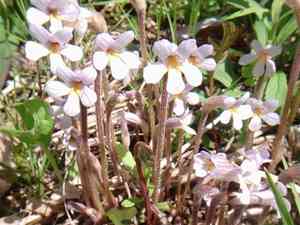
Indian broomrape (Aeginetia indica)
Also known as: Forest ghost flower
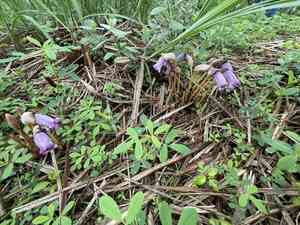
Indian broomrape is a holoparasitic plant, deriving all its nutrients from the root systems of host plants. Lacking chlorophyll, it cannot photosynthesize and thus doesn't appear green. In certain regions, it is used in shrines or altars as a symbolic offering to the Hindu deities Shiva and Parvati.
In This Article
Attributes of Indian broomrape
Lifespan
Perennial
Plant Type
Herb
Plant Height
15 cm to 50 cm
Spread
Not applicable
Leaf Color
No leaves
Flower Size
2 cm to 4 cm
Flower Color
White Pink Purple
Images of Indian broomrape
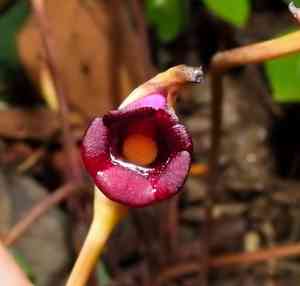
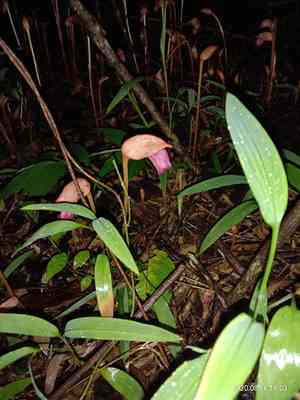
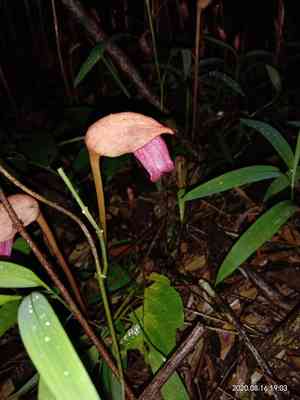
Quickly Identify Indian broomrape
1
The plant can be identified by its yellowish, reddish to purplish flowers that resemble snapdragons, and a lack of chlorophyll. It has a thick, fleshy stem that emerges directly from the ground.
Scientific Classification of Indian broomrape
Phylum
Vascular plants
Class
Dicotyledons
Order
Mints plantains olives and allies
Family
Broomrape
Genus
Aeginetia
Species
Indian broomrape
Planting and Growing of Indian broomrape
Care Difficulty
Hard
Watering Schedule
Every 3 days
Sunlight Requirements
Partial sun
Sunshine Duration
4-6 hours
Ideal Temperature
68-77℉
Soil Type
Potting Mix, Peat Mix
Soil pH
5.5-6.8
Fertilizer Type
Balanced
Pruning Season
Spring, Summer
Pruning Area
Branches, Leaves
Pruning Frequency
Once a year
Repotting Season
Spring
Pot Type
Plastic, Ceramic
 How to Water Indian broomrape?
The Aeginetia indica requires a moderate amount of water. You should water it until the soil is moist but not waterlogged; around 200ml per session is sufficient. Ensure excess water is draining out to prevent water retention.
What are the symptoms of an underwatered Indian broomrape?
›
What should I do if my Indian broomrape is not getting enough water?
›
What are the symptoms of an overwatered Indian broomrape?
›
How to save an overwatered Indian broomrape?
›
 What Are the Sunlight Requirements for Indian broomrape?
Aeginetia indica requires partial sun to full shade, preferable in environments offering consistent dappled sunlight. This ideal range promotes photosynthesis while protecting against the stresses of excessive sunlight, ensuring a balanced environment for growth and maintenance.
More About Sunlight Requirements Techniques→
How much light does Aeginetia indica thrive in?
›
How to achieve perfect lighting for Aeginetia indica?
›
What are the benefits of ideal lighting for Aeginetia indica?
›
 What Is the Ideal Temperature Range for Indian broomrape?
The ideal temperature for growing Aeginetia indica ranges between 68°F to 77°F. This ensures the plant has a stable environment to flourish, promoting healthy growth and development. This range mimics the moderate warm conditions it's naturally accustomed to.
 What Soil is Best for Indian broomrape?
Aeginetia indica thrives in well-draining soils that prevent waterlogging, allowing roots to access necessary oxygen and nutrients. This leads to healthier growth and reduces root rot. The plant benefits from soils rich in organic matter which provide essential nutrients for optimal growth. This supports vibrant flowering and robust plant structure. Maintaining a balance of moisture in the soil is crucial for Aeginetia indica, as it prefers not-too-dry conditions. This ensures consistent water supply without over-saturation.
 How to Fertilize Indian broomrape?
For Aeginetia indica, it's crucial to use a balanced fertilizer. During the growing season, apply approximately 0.5 grams of liquid fertilizer per liter of water every two weeks. For slow release, sprinkle around 10 grams per plant, thrice a year.
 How to Prune Indian broomrape?
Start by identifying the stems that need to be trimmed. Typically, these are the overgrown, dead, or diseased stems which can be easily spotted. Prune to encourage better air circulation and to redirect energy towards healthier growth. Make sure to cut at a 45-degree angle just above a node. This helps in efficient water runoff and promotes quicker healing. Ensure cuts are clean and not ragged to prevent rotting. Regularly remove dead or wilted flowers to prevent the plant from wasting energy on maintaining non-viable parts and to encourage more blooms.
More About Pruning Techniques→
 How to Propagate Indian broomrape plant?
1
Start by collecting mature seeds from a healthy Aeginetia indica plant. Ensure the seeds are thoroughly dried and cleaned of any debris to improve germination rates.
2
Sow the prepared seeds evenly in a seed tray filled with a fine soil mix. Cover gently with a thin layer of soil, and lightly water to settle the medium without washing away the seeds.
3
Place the seed tray in a warm, well-lit area with indirect sunlight. Maintain moderate humidity by covering the tray with a transparent lid or plastic wrap to encourage sprouting.
 How to Repot Indian broomrape plant?
1
Aeginetia indica needs repotting when its roots are tightly bound, poking out of the drainage holes, or if growth seems stunted. Making this change during the active growing season, like spring or summer, ensures the plant has enough energy to adapt swiftly.
2
Select a pot that is one size larger with ample drainage holes, ensuring that excess water can easily escape. Ample drainage helps prevent waterlogging, reducing the risk of root rot, a condition detrimental to Aeginetia indica.
3
Opt for a well-draining, sandy mix to mimic natural conditions and prevent water retention. This type of soil facilitates proper aeration, supports root health, and promotes strong, vigorous growth, leading to an overall healthier plant.



