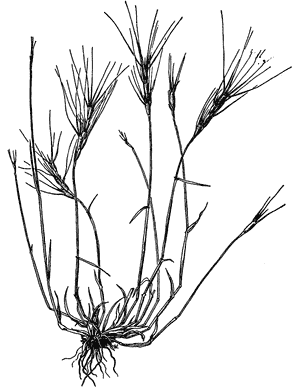
Three-inch goat's-face grass (Aegilops triuncialis)
Also known as: Barb goat grass
Three-inch goat's-face grass (Aegilops triuncialis) is considered invasive in North America due to its harmful impact on native species and ecosystems. Its tough, barbed seeds make it unpalatable to livestock, which avoid grazing on it. The sharp barbs can also cause injuries to the eyes and mouths of grazing animals, adding to its detrimental effects. This aggressive grass competes with native plants, leading to reduced biodiversity and disrupted habitats.
In This Article
Attributes of Three-inch goat's-face grass
Lifespan
Annual
Plant Type
Grass
Plant Height
20 cm to 41 cm
Spread
Not applicable for grasses
Leaf Color
Green
Flower Size
6 mm to 7 mm
Flower Color
Yellow Green Brown
Images of Three-inch goat's-face grass
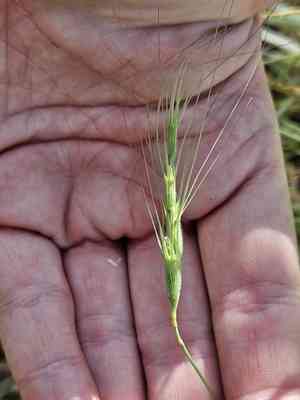
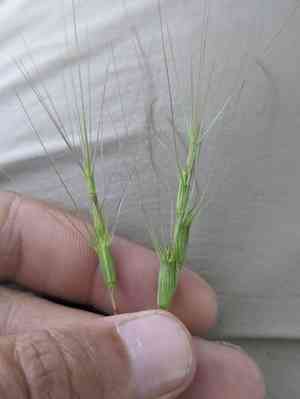
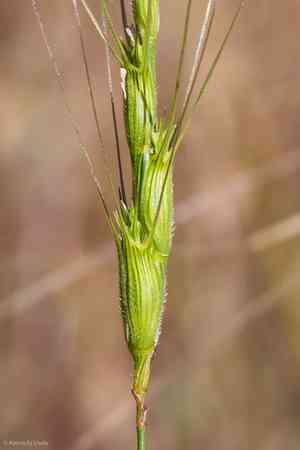
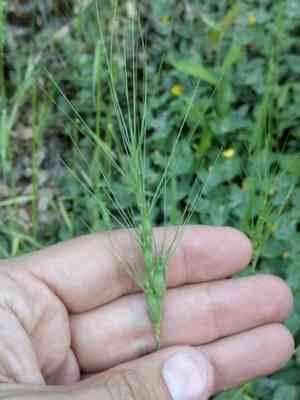
Quickly Identify Three-inch goat's-face grass
1
Aegilops triuncialis can be identified by its long awns extending from the seed head, which are barbed and can easily attach to animals and humans. The grass typically has a tufted appearance with narrow leaves.
Scientific Classification of Three-inch goat's-face grass
Phylum
Vascular plants
Class
Monocotyledons
Order
Poales
Family
Grass
Genus
Aegilops
Species
Three-inch goat's-face grass
Planting and Growing of Three-inch goat's-face grass
Care Difficulty
Easy
Watering Schedule
Every 2 days
Sunlight Requirements
Full sun
Sunshine Duration
4-8 hours
Ideal Temperature
59-77℉
Soil Type
Potting Mix, Peat Mix
Soil pH
6.5-7.5
Fertilizer Type
Balanced
Pruning Season
Spring, Summer
Pruning Area
Branches, Leaves
Pruning Frequency
2 times a year
Repotting Season
Spring
Pot Type
Plastic, Ceramic
 How to Water Three-inch goat's-face grass?
Aegilops triuncialis prefers to receive about 250 ml of water each time it is watered. The key is to ensure the soil remains evenly moist, avoiding both extremes of dryness and waterlogging. This amount generally wets the top few inches of the soil without letting it get soggy.
What are the symptoms of an underwatered Three-inch goat's-face grass?
›
What should I do if my Three-inch goat's-face grass is not getting enough water?
›
What are the symptoms of an overwatered Three-inch goat's-face grass?
›
How to save an overwatered Three-inch goat's-face grass?
›
 What Are the Sunlight Requirements for Three-inch goat's-face grass?
Full sunlight is crucial for Aegilops triuncialis. By receiving full sun, the plant maximizes its photosynthetic potential, supporting vigorous growth and overall health, including disease resistance and optimal flowering.
What are ideal lighting conditions for Aegilops triuncialis?
›
How to achieve these ideal lighting conditions?
›
What are the benefits of ideal lighting conditions?
›
 What Is the Ideal Temperature Range for Three-inch goat's-face grass?
Aegilops triuncialis thrives best in temperatures between 59°F and 77°F. This range ensures optimal growth and helps the plant maintain its metabolic processes efficiently. By keeping the temperature within this range, you enhance the plant's ability to photosynthesize effectively, leading to better overall health and productivity. Consistent exposure to these temperatures will also reduce stress on the plant, preventing stunted growth and potential diseases.
 What Soil is Best for Three-inch goat's-face grass?
Aegilops triuncialis thrives in well-drained soils, which prevents waterlogging and root rot. Good drainage ensures healthy root growth and optimal nutrient absorption. This plant benefits from soils rich in organic matter and nutrients that promote vigorous growth and successful seed production. Nutrient-dense soils provide essential elements for photosynthesis and metabolic processes. While it's drought-resistant, Aegilops triuncialis requires a moderate amount of moisture to maintain its growth cycle and reproductive success. Consistent moisture supports ideal conditions for plant development.
 How to Fertilize Three-inch goat's-face grass?
For Aegilops triuncialis, use a balanced liquid fertilizer at one-quarter strength. Avoid over-applying, as this species thrives on nutrients that mimic its natural habitat, which is not overly fertile.
 How to Prune Three-inch goat's-face grass?
Begin pruning Aegilops triuncialis by removing any dead or damaged foliage, which helps prevent disease. Use sharp, clean scissors to make clean cuts. Focus on trimming back crowded areas to encourage airflow, which reduces the risk of fungal infections. Prune no more than one-third of the plant at a time to maintain its health and vigor. Regular pruning also helps maintain the desired shape and size of the plant. Consistently remove any seed heads to prevent the plant from becoming invasive, especially in non-native environments.
More About Pruning Techniques→
 How to Propagate Three-inch goat's-face grass plant?
1
Fill the seed tray with a well-draining potting mix. Lightly tamp down the soil to create a level surface, ensuring there is proper aeration to support seed germination, which is crucial for healthy growth.
2
Scatter the Aegilops triuncialis seeds evenly across the surface of the soil. Gently press them into the soil without burying them too deep, as seeds require light for germination. Cover with a fine layer of soil or perlite.
3
Water the seeds lightly with a fine spray to avoid washing them away. Keep the soil consistently moist, but not waterlogged. It's essential to maintain a warm environment to encourage germination.
 How to Repot Three-inch goat's-face grass plant?
1
Watch for signs like yellowing leaves, overcrowded roots, or slowed growth in Aegilops triuncialis as signals for repotting. Ideally, aim for spring or early summer when the plant is naturally primed for active growth, ensuring a smoother transition.
2
Opt for a pot that allows at least an extra inch of space on all sides compared to the current one. This facilitates better root expansion without overwhelming the plant. Make sure the pot has ample drainage holes to prevent waterlogging, ensuring healthy root development.
3
Use a well-draining sandy soil mix to prevent water retention and root rot. This type of soil ensures that Aegilops triuncialis has optimal air circulation at the root level, promoting robust and healthy growth while guarding against common yet avoidable diseases.



