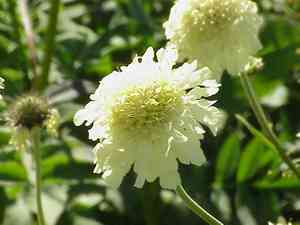
Adoxa (Adoxa) (Adoxa)
Also known as: Moschatel, Tuberous Moschatel, Five-Faced Bishop
The genus Adoxa comprises two species of plants.
In This Article
Attributes of Adoxa (Adoxa)
Lifespan
Perennial
Plant Height
10-20 cm
Spread
N/A
Leaf Color
Green
Flower Size
About 0.5 cm
Flower Color
Greenish-yellow
Images of Adoxa (Adoxa)
Quickly Identify Adoxa (Adoxa)
1
Adoxa plants can be identified by their low-growing herbaceous form, musky-scented greenish-yellow flowers that typically form in a cluster with five equal faces. The leaves are pinnate with three to five leaflets.
Scientific Classification of Adoxa (Adoxa)
Phylum
Angiosperms
Class
Magnoliopsida
Order
Dipsacales
Family
Adoxaceae
Genus
Adoxa
Planting and Growing of Adoxa (Adoxa)
Care Difficulty
Hard
Watering Schedule
Every 3 days
Sunlight Requirements
Full shade
Sunshine Duration
4-8 hours
Ideal Temperature
55-70℉
Soil Type
Potting Mix, Peat Mix
Soil pH
6.5-7.5
Fertilizer Type
Balanced
Pruning Season
Spring, Summer
Pruning Area
Branches, Leaves
Pruning Frequency
Once a year
Repotting Season
Spring
Pot Type
Plastic, Ceramic
 How to Water Adoxa (Adoxa)?
Adoxa plants require a careful watering regimen. Water them with about 200 ml, ensuring the soil is moist but not waterlogged, allowing excess water to drain freely. It's crucial to strike the balance between hydration and avoiding root rot.
What are the symptoms of an underwatered Adoxa (Adoxa)?
›
What should I do if my Adoxa (Adoxa) is not getting enough water?
›
What are the symptoms of an overwatered Adoxa (Adoxa)?
›
How to save an overwatered Adoxa (Adoxa)?
›
 What Are the Sunlight Requirements for Adoxa (Adoxa)?
Adoxa thrives in partial sun to full shade environments where consistent, diffuse lighting supports its growth while protecting it from heat stress. Maintaining this light range ensures flourishing foliage and sustained vitality.
What is the best lighting for Adoxa?
›
What solutions ensure Adoxa achieves ideal lighting?
›
What benefits does Adoxa gain from ideal lighting?
›
 What Is the Ideal Temperature Range for Adoxa (Adoxa)?
Adoxa thrives within an ideal temperature range of 55°F to 70°F. This range supports its metabolic activities and fosters healthy growth and development. Consistently maintaining temperatures within this range helps ensure that the plant receives optimal conditions for photosynthesis and nutrient assimilation, key processes that contribute to robust growth and flowering.
 What Soil is Best for Adoxa (Adoxa)?
Adoxa thrives in soil that offers good drainage. This prevents waterlogging, which can lead to root rot and other moisture-related problems, ensuring the plant's roots remain healthy and vigorous. A moderately fertile soil is ideal for Adoxa, providing enough nutrients for growth without leading to excessive lushness that might weaken the plant's structural integrity. While Adoxa prefers moisture-retentive conditions, it does not favor standing water. Soil that can retain moisture yet drain excess is optimal, aiding in consistent hydration without risk of suffocation of roots.
 How to Fertilize Adoxa (Adoxa)?
For Adoxa, a small to moderate amount of fertilizer is ideal. Use about half the recommended strength of an all-purpose liquid fertilizer, typically 1/2 teaspoon per gallon of water. This ensures the plant receives adequate nutrients without the risk of over-fertilization, which can be harmful.
 How to Prune Adoxa (Adoxa)?
Begin by identifying dead or diseased parts of the plant. Look for stems or leaves that are brown, wilted, or show signs of pest damage. These should be the first to go as removing them promotes healthier growth. For optimal growth, make your cuts at a 45-degree angle. This allows water to run off the cut surfaces and prevents disease. Angle the cut away from the bud or other healthy growth to encourage outward facing development. Find areas of the plant where growth is especially dense and thin them out by cutting some branches back to the main stem. This improves air circulation and light penetration, reducing the likelihood of fungal infections.
 How to Propagate Adoxa (Adoxa) plant?
1
Choose healthy and disease-free parent plants to take cuttings or collect seeds from. This increases the success rate of propagation as the offspring will have a strong start.
2
Prepare a well-draining and nutrient-rich planting medium. For seeds, use a good-quality seed starting mix. For cuttings, a mix of peat and perlite will encourage root growth.
3
After sowing seeds or inserting cuttings in the growing medium, water gently but thoroughly without causing waterlogging. Ensure the cutting's base or seed is in close contact with the medium for optimal growth.
 How to Repot Adoxa (Adoxa) plant?
1
Keep an eye on the signs such as roots growing out of the drainage holes, stunted growth, or the soil drying out too quickly. These signals indicate it's time to provide the plant with a more spacious home. Spring is ideal for repotting Adoxa as the plant is in its active growth phase, which allows it to recover and establish quickly.
2
Select a pot that is one size larger than the current one. Ensure it has proper drainage holes to prevent waterlogging, which can lead to root rot. A well-sized pot offers the plant enough room to grow and supports healthy root development, encouraging long-term vitality and robust growth.
3
Opt for a well-draining soil mixture that is rich in organic matter. This provides essential nutrients while ensuring that excess water drains efficiently. Such soil supports healthy root growth and prevents water retention, keeping the plant healthy and promoting optimal growth conditions.
Learn More About Adoxa (Adoxa) Diseases
Anthracnose
Bacterial Leaf Spot
Bacterial Soft Rot
Bacterial Wilt
Chemical Injury
Damping-off
Downy Mildew
Drought Stress
Fusarium Wilt
Gray Mold
Leaf Curl
Leaf Spot
Mosaic
Nutrient Deficiency
Nutrient Toxicity
Powdery Mildew
Root Rot
Root-knot Nematode
Rusts
Sooty Mold
Spider Mites
Temperature Stress
Thrips Damage
White Mold

