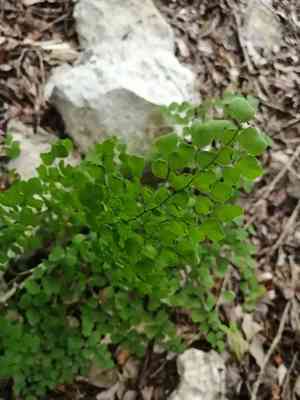
Fuzzy maidenhair (Adiantum tricholepis)
Also known as: Three-scaled Maidenhair Fern
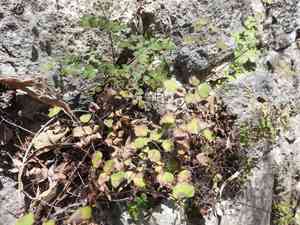
Fuzzy maidenhair ferns feature delicate, lace-like fronds emerging from slender, dark stems, showcasing green, triangular leaves with a fine, hairy texture. They flourish in humid, shaded settings, similar to their natural forest understorey habitat, where they receive indirect sunlight. These ferns excel at absorbing moisture from the air, making them ideal for environments with high humidity.
In This Article
Attributes of Fuzzy maidenhair
Lifespan
Perennial
Plant Type
Fern
Plant Height
15-30 cm
Spread
N/A
Leaf Color
Light green
Flower Size
N/A
Flower Color
N/A
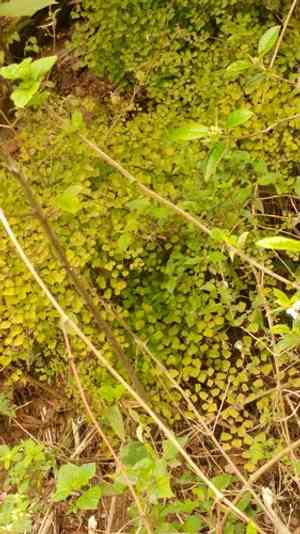
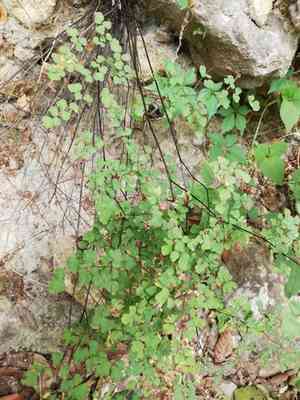
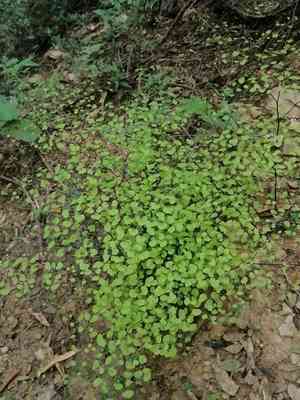
Images of Fuzzy maidenhair
Quickly Identify Fuzzy maidenhair
1
This fern can be identified by its fine, hair-like stems and small, fan-shaped leaflets arranged in a delicate, lace-like pattern. The leaves are typically light green and highly divided.
Scientific Classification of Fuzzy maidenhair
Phylum
Vascular plants
Class
Ferns
Order
Polypodiales
Family
Brake
Genus
Maidenhair ferns
Species
Fuzzy maidenhair
Planting and Growing of Fuzzy maidenhair
Care Difficulty
Moderate
Watering Schedule
Every 4 days
Sunlight Requirements
Partial sun
Sunshine Duration
6-8 hours
Ideal Temperature
60-75℉
Soil Type
Potting Mix, Peat Mix
Soil pH
6.5-7.5
Fertilizer Type
Balanced
Pruning Season
Spring, Summer
Pruning Area
Branches, Leaves
Pruning Frequency
2 times a year
Repotting Season
Spring
Pot Type
Plastic, Ceramic
 How to Water Fuzzy maidenhair?
Water this plant until the soil is evenly moist but not soggy. Aim for about 200 ml per session, allowing the top layer of the soil to dry out slightly between waterings. This ensures the roots have access to necessary moisture without drowning.
What are the symptoms of an underwatered Fuzzy maidenhair?
›
What should I do if my Fuzzy maidenhair is not getting enough water?
›
What are the symptoms of an overwatered Fuzzy maidenhair?
›
How to save an overwatered Fuzzy maidenhair?
›
 What Are the Sunlight Requirements for Fuzzy maidenhair?
Partial sunlight conditions are ideal, providing the perfect balance of brightness without the risk of overexposure. This results in robust growth and vibrant greenery, emulating its natural habitat under the forest canopy.
What is the best location for Adiantum tricholepis?
›
How can I provide optimal lighting conditions?
›
What are the benefits of ideal lighting?
›
 What Is the Ideal Temperature Range for Fuzzy maidenhair?
For Adiantum tricholepis, the ideal temperature range is between 60°F and 75°F. This range supports optimal growth and ensures that the plant's physiological processes function properly. Maintaining this range mimics the natural environment where this species thrives, typically found in shaded and moist habitats.
 What Soil is Best for Fuzzy maidenhair?
Adiantum tricholepis thrives in well-draining soil. This ensures excess water doesn't sit around the roots, preventing root rot and promoting healthy growth. The plant prefers soil with moderate fertility. This provides the necessary nutrients without overwhelming it, supporting steady development and lush foliage. Keep the soil consistently moist but not waterlogged. This maintains optimal hydration and supports the fern’s preference for humid conditions, fostering robust growth.
 How to Fertilize Fuzzy maidenhair?
For Adiantum tricholepis, use a balanced fertilizer with an N-P-K ratio of 10-10-10. For liquid fertilizers, dilute it to half the recommended strength to prevent root burn. Apply approximately 1/4 cup per application for a medium-sized plant.
 How to Prune Fuzzy maidenhair?
Start by observing your Adiantum tricholepis for any brown, yellow, or damaged fronds. These are the targets for removal as they do not contribute to the plant's health and can detract from its appearance. When removing a frond, gently hold it and follow it down to where it attaches to the main stalk. Use your sharp pruning shears to cut the frond off at its base. This encourages new, healthy growth to emerge. Besides removing damaged fronds, you can also lightly trim healthy ones to maintain a desired shape and size. This is particularly useful if you’re growing the fern in a specific space where size matters. After pruning, ensure all cut fronds are collected and disposed of properly. Leaving them around can attract pests and promote fungal growth, which can then infest the plant.
More About Pruning Techniques→
 How to Propagate Fuzzy maidenhair plant?
1
Choose a healthy, mature Adiantum tricholepis with well-established roots for propagation. Water the plant thoroughly a day before propagation to ensure the roots are hydrated and the soil is easier to work with.
2
Carefully remove the plant from its pot and gently tease apart the roots to create divisions. Make sure each division has several fronds and a portion of the root system. Use a knife or spade if necessary to cut through the roots.
3
Plant each division into a pot filled with well-draining soil. Firm the soil around the roots to remove air pockets and water lightly. Place the pots in a location with indirect light and maintain consistent moisture.
 How to Repot Fuzzy maidenhair plant?
1
Adiantum tricholepis requires repotting when you notice roots growing out of the pot's drainage holes, the plant seems pot-bound, or its growth has slowed despite proper care. Ideally, repot during the growth spurts of spring or summer for best acclimatization.
2
Select a pot slightly larger than the current one, with good drainage to prevent waterlogging which can lead to root rot. Material-wise, terracotta pots are preferable as they allow air exchange, keeping the roots healthy and robust.
3
Opt for a well-draining loamy soil mix enriched with organic matter to maintain moisture without waterlogging. This type of soil replicates the plant's natural habitat, providing the necessary nutrients and aeration for robust growth.



