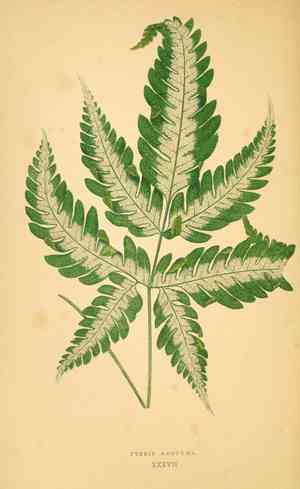
Giant maidenhair fern (Adiantum trapeziforme)
Also known as: Diamond maidenhair fern, Silver dollar fern
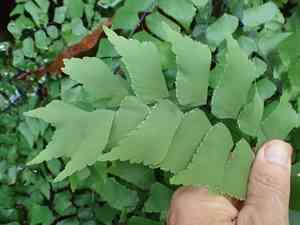
The plant you're referring to is the giant maidenhair fern. This fern boasts eye-catching, fan-shaped leaves that are trapezoidal in form. The leaves grow in a unique horizontal arrangement, making it an impressive addition to any garden.
In This Article
Attributes of Giant maidenhair fern
Lifespan
Perennial
Plant Type
Fern
Plant Height
25 cm
Spread
35 cm
Leaf Color
Light to medium green
Flower Size
N/A
Flower Color
N/A
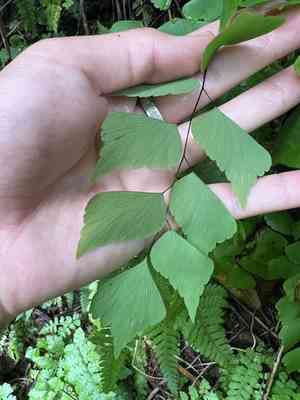
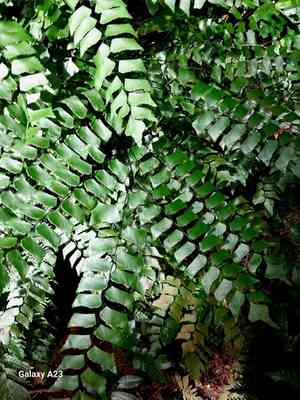
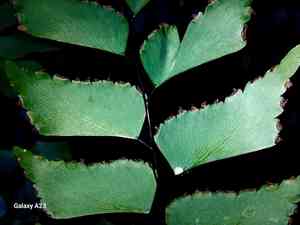
Images of Giant maidenhair fern
Quickly Identify Giant maidenhair fern
1
Identify Adiantum trapeziforme by its distinctive, trapezoid-shaped pinnae (leaflets) and smooth, dark-colored rachis (stem). The fronds are delicate and fan-shaped, typically in a light to medium green color.
Scientific Classification of Giant maidenhair fern
Phylum
Vascular plants
Class
Ferns
Order
Polypodiales
Family
Brake
Genus
Maidenhair ferns
Species
Giant maidenhair fern
Planting and Growing of Giant maidenhair fern
Care Difficulty
Hard
Watering Schedule
Every 3 days
Sunlight Requirements
Partial sun
Sunshine Duration
4-6 hours
Ideal Temperature
65-77℉
Soil Type
Potting Mix, Peat Mix
Soil pH
6.5-7.5
Fertilizer Type
Balanced
Pruning Season
Spring, Summer
Pruning Area
Branches, Leaves
Pruning Frequency
2 times a year
Repotting Season
Spring
Pot Type
Plastic, Ceramic
 How to Water Giant maidenhair fern?
Adiantum trapeziforme, being a tropical fern, prefers consistently moist soil. Water it with about 250 ml per session, ensuring the soil is thoroughly moistened but not waterlogged. The potting mix should feel damp, similar to a wrung-out sponge.
What are the symptoms of an underwatered Giant maidenhair fern?
›
What should I do if my Giant maidenhair fern is not getting enough water?
›
What are the symptoms of an overwatered Giant maidenhair fern?
›
How to save an overwatered Giant maidenhair fern?
›
 What Are the Sunlight Requirements for Giant maidenhair fern?
Partial shade is the ideal light range for Adiantum trapeziforme, enabling it to maintain consistent growth and vibrant green fronds, mimicking its natural habitat.
How much sunlight does it need?
›
What is the best way to ensure it gets the right light?
›
What benefits does the right lighting provide?
›
 What Is the Ideal Temperature Range for Giant maidenhair fern?
Adiantum trapeziforme thrives within a specific temperature range that mimics its natural tropical habitat. The ideal range for this fern is between 65°F and 77°F. This range allows for optimal growth and prevents stress associated with unsuitable temperatures. Maintaining steady temperatures in this range ensures the plant's resilience and vitality.
 What Soil is Best for Giant maidenhair fern?
Adiantum trapeziforme thrives in soil that retains moisture effectively. Loamy, peat-based soils are ideal because they can hold water without becoming waterlogged, which helps prevent root rot. This plant flourishes in nutrient-rich soil, which provides the essential minerals needed for vibrant foliage. Regular organic matter amendments like compost or leaf mold enhance soil fertility. While moisture is important, the soil must also drain well to prevent waterlogging. A mixture of loam and peat ensures the proper balance of moisture and air, protecting the roots.
 How to Fertilize Giant maidenhair fern?
Adiantum trapeziforme benefits from moderate amounts of fertilizer. Use half the recommended strength of a balanced liquid fertilizer diluted in water. For slow-release granules, apply a small handful around the base, ensuring it's evenly distributed in the soil.
 How to Prune Giant maidenhair fern?
Begin by evaluating the overall health of your Adiantum trapeziforme. Look for discolored or wilted fronds as these are prime candidates for pruning. Cut fronds close to the base, ensuring you don't damage healthy ones. Trimming during Spring or Summer encourages new growth. For aesthetics, ensure your cuts follow the plant's natural line. This helps maintain its graceful and arching appearance.
More About Pruning Techniques→
 How to Propagate Giant maidenhair fern plant?
1
Choose a healthy, mature Adiantum trapeziforme with multiple crowns. Avoid dividing plants that look sickly or are showing signs of stress to ensure better success in propagation.
2
Carefully dig up the plant and gently separate the rhizomes using a sharp knife or shears. Make sure each new section has at least one healthy frond and a good set of roots for optimal growth.
3
Place the divided sections into prepared potting containers filled with rich, well-draining soil. Water them lightly, ensuring that the soil is evenly moist but not waterlogged.
 How to Repot Giant maidenhair fern plant?
1
For Adiantum trapeziforme, watch for roots peeking through the drainage holes or a slowed growth rate as signals that it's time for repotting. These signs indicate that the plant has outgrown its current home and needs more space to continue thriving.
2
Select a pot that is only slightly larger than the current one. A pot that's too big can lead to water retention and root rot. Opt for a container with good drainage to prevent water from stagnating. The appropriate size helps manage moisture levels effectively.
3
Use well-draining soil rich in organic matter. This type of soil helps maintain moisture without becoming waterlogged, providing the balanced environment that Adiantum trapeziforme prefers. Organic components add nutrients, supporting healthy growth and vibrant foliage.
Toxicity
None
WARNING
The judgment on toxicity and danger is for reference only. We DO NOT GUARANTEE any accuracy of such judgment. Therefore, you SHALL NOT rely on such judgment. It is IMPORTANT TO SEEK PROFESSIONAL ADVICE in advance when necessary.



