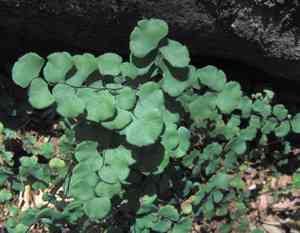
California maidenhair (Adiantum jordanii)
Also known as: California Maidenhair Fern
Adiantum jordanii, commonly known as California maidenhair, is a perennial fern belonging to the maiden-hair fern family. The genus name "Adiantum" is derived from the Greek word meaning "unwettable," which refers to the fern's water-repellent fronds. The species name "jordanii" honors the 19th-century botanist David Heinrich Jordan.
In This Article
Attributes of California maidenhair
Lifespan
Perennial
Plant Type
Herb
Plant Height
30 cm to 46 cm
Spread
30 cm to 60 cm
Leaf Color
Green
Flower Size
N/A
Flower Color
N/A
Images of California maidenhair
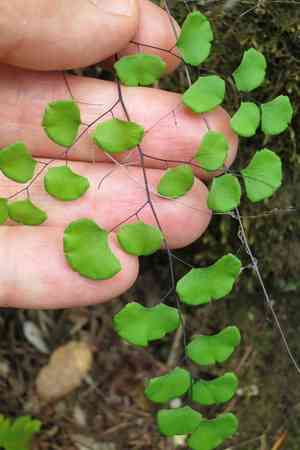
Quickly Identify California maidenhair
1
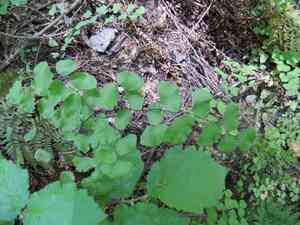
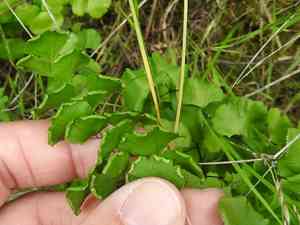
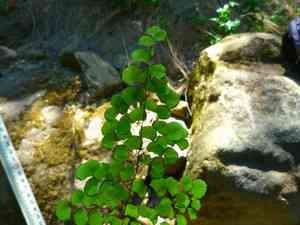
To identify Adiantum jordanii, look for its distinctive fan-shaped fronds with delicate, segmented leaflets and dark, wiry stems. It often grows in shady, moist environments.
Scientific Classification of California maidenhair
Phylum
Vascular plants
Class
Ferns
Order
Polypodiales
Family
Brake
Genus
Maidenhair ferns
Species
California maidenhair
Planting and Growing of California maidenhair
Care Difficulty
Hard
Watering Schedule
Every 3 days
Sunlight Requirements
Partial sun
Sunshine Duration
6-8 hours
Ideal Temperature
60-75℉
Soil Type
Potting Mix, Peat Mix
Soil pH
6.5-7.5
Fertilizer Type
Balanced
Pruning Season
Spring, Summer
Pruning Area
Branches, Leaves
Pruning Frequency
2 times a year
Repotting Season
Spring
Pot Type
Terracotta, Plastic
 How to Water California maidenhair?
For Adiantum jordanii, water until you see a gentle seep from the drainage holes. Ensure the top 2-3 cm of soil is moist, reflecting its natural habitat's high humidity. Over-saturation should be avoided to prevent root rot.
What are the symptoms of an underwatered California maidenhair?
›
What should I do if my California maidenhair is not getting enough water?
›
What are the symptoms of an overwatered California maidenhair?
›
How to save an overwatered California maidenhair?
›
 What Are the Sunlight Requirements for California maidenhair?
Partial sun or full shade conditions are ideal for Adiantum jordanii. This light range enables it to simulate its natural environment, promoting optimal growth, extensive green foliage, and reducing stress-related issues like browning tips.
More About Sunlight Requirements Techniques→
What are the ideal lighting conditions for Adiantum jordanii?
›
How can you achieve these ideal conditions?
›
What are the benefits of these ideal lighting conditions?
›
 What Is the Ideal Temperature Range for California maidenhair?
The ideal temperature range for Adiantum jordanii is between 60°F and 75°F. Within this range, the plant thrives, showing optimal growth and maintaining vibrant foliage. This temperature mimics its natural habitat conditions, allowing for healthy photosynthesis and overall plant health.
 What Soil is Best for California maidenhair?
Adiantum jordanii thrives in soil that provides excellent drainage. This ensures the plant does not sit in waterlogged conditions, which can lead to root rot. Well-draining soil allows the roots to access oxygen efficiently, promoting healthy root development. While drainage is crucial, the soil should also be able to retain some moisture. The balance between moisture retention and drainage helps maintain an environment where the plant receives consistent hydration without suffocating roots or encouraging fungal growth. Rich, organic soil supports the fern with essential nutrients. This richness supports vibrant foliage and steady growth, ensuring the plant can develop its distinct, delicate fronds that are characteristic of this species.
 How to Fertilize California maidenhair?
Adiantum jordanii requires a gentle approach to fertilization. It's best to use a diluted liquid fertilizer at about half of the recommended strength. This helps ensure the plant receives enough nutrients without causing fertilizer burn, given its sensitivity. For slow-release granules, apply lightly, ensuring an even distribution around the base.
 How to Prune California maidenhair?
Adiantum jordanii has delicate fronds that can break easily, so handle the plant gently during pruning. Avoid tugging or pulling at the fronds, as this can damage the plant. Be mindful not to remove too many fronds at once, as this can stress the plant. Gradually prune over time, and ensure you leave sufficient foliage for photosynthesis.
More About Pruning Techniques→
 How to Propagate California maidenhair plant?
1
Before division, water the plant thoroughly a day before to make sure the root ball is hydrated and easy to separate. Choose a healthy, mature plant as your source.
2
Carefully dig around the Adiantum jordanii with a spade, then gently lift the plant from the ground. Use a sharp, clean knife to separate the root ball into sections, ensuring each section has several healthy fronds and a good root system.
3
Plant each division in a prepared pot or garden spot, with well-draining soil. The new planting location should offer similar light and moisture conditions to the parent plant's site for successful establishment.
 How to Repot California maidenhair plant?
1
Adiantum jordanii signals its need for repotting when you notice roots poking out of its pot's drainage holes or if water drains too quickly through the soil. Another indication is the plant's growth stagnation. Typically, it's time to consider repotting if you haven't done so in about two to three years. Proper timing ensures the plant has ample space for root growth and access to fresh nutrients.
2
Choosing the right pot is crucial for the health of Adiantum jordanii. Opt for a pot that's 1-2 inches larger in diameter than the current one, with ample drainage holes. A pot that's too large can lead to excessive moisture retention, risking root rot, while a well-fitting pot allows for optimal growth without suffocating the roots. Materials like terracotta or ceramic are ideal as they offer breathability to the soil.
3
Select a well-draining soil mix tailored for ferns. The ideal soil should retain some moisture but allow excess water to drain, preventing waterlogging. Incorporating peat moss, perlite, or sand helps achieve this balance. The right soil mix provides the roots with enough room to breathe while providing essential nutrients for healthy growth.



