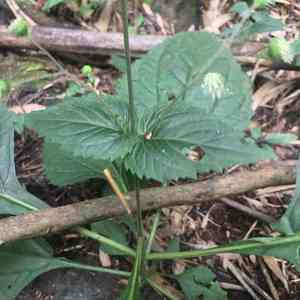
Common medicineplant (Adenostemma lavenia)
Also known as: Chain fern, Capelem
Adenostemma lavenia is an annual herbaceous plant that typically attains a height ranging from 0.3 to 1 meter. It generally features upright, rigid, or occasionally low-lying stems, which are sparsely branched near the top and have a sparse whitish hair covering. The lower section of the plant is usually bare.
In This Article
Attributes of Common medicineplant
Lifespan
Perennial
Plant Type
Herb
Plant Height
1 m
Spread
Not applicable
Leaf Color
Green
Flower Size
5 cm
Flower Color
White
Images of Common medicineplant
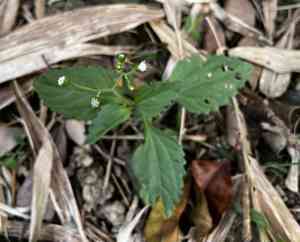
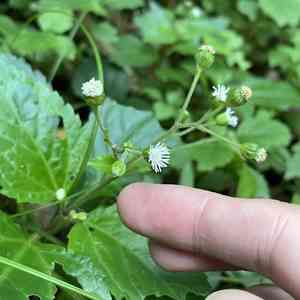
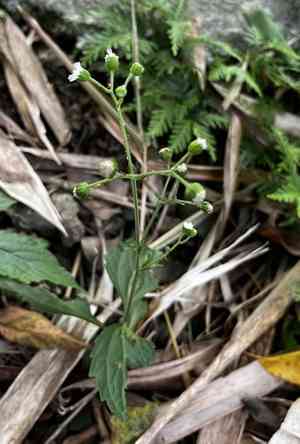
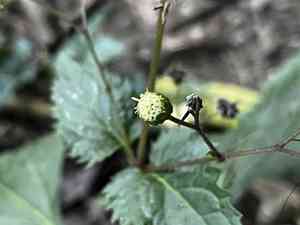
Quickly Identify Common medicineplant
1
Look for its distinctive tall herbaceous growth, with leaves that have serrated edges and a somewhat glossy surface. The plant typically produces small white or purplish flowers.
Scientific Classification of Common medicineplant
Phylum
Vascular plants
Class
Dicotyledons
Order
Asterales
Family
Daisy
Genus
Medicineplants
Species
Common medicineplant
Planting and Growing of Common medicineplant
Care Difficulty
Easy
Watering Schedule
Every 4 days
Sunlight Requirements
Partial sun
Sunshine Duration
6-10 hours
Ideal Temperature
68-86℉
Soil Type
Potting Mix, Peat Mix
Soil pH
6.5-7.5
Fertilizer Type
Balanced
Pruning Season
Spring, Summer
Pruning Area
Branches, Leaves
Pruning Frequency
2 times a year
Repotting Season
Spring
Pot Type
Plastic, Ceramic
 How to Water Common medicineplant?
For Adenostemma lavenia, the watering amount should be about 250 milliliters each time. It's essential to ensure the soil is evenly moist but not waterlogged, allowing it to become slightly dry between waterings. This plant thrives on a balanced moisture level, ensuring the roots are neither too dry nor overly drenched.
What are the symptoms of an underwatered Common medicineplant?
›
What should I do if my Common medicineplant is not getting enough water?
›
What are the symptoms of an overwatered Common medicineplant?
›
How to save an overwatered Common medicineplant?
›
 What Are the Sunlight Requirements for Common medicineplant?
Partial sun ensures optimal growth with balanced exposure, supporting the plant’s natural habitat conditions that mimic dappled forest light, enhancing its survival and growth.
What is the best light for Adenostemma lavenia?
›
How can I ensure Adenostemma lavenia gets ideal light?
›
What benefits does ideal light bring?
›
 What Is the Ideal Temperature Range for Common medicineplant?
Adenostemma lavenia thrives in warm climates with an ideal temperature range between 68°F and 86°F. These temperatures mimic its native habitat, facilitating proper physiological and metabolic processes that ensure robust plant health and optimal growth.
 What Soil is Best for Common medicineplant?
Adenostemma lavenia thrives in well-drained soil that prevents root rot by allowing excess water to escape quickly. Providing such conditions ensures healthy growth and minimizes the risk of fungal infections. This plant benefits from soil high in organic matter and nutrients, which fuels its growth and supports its robust foliage and flowering potential. Regular organic composting can enhance soil fertility. Maintaining moderate soil moisture is crucial for Adenostemma lavenia, as it prefers not to dry out completely. Consistent irrigation helps to keep the soil at an optimal moisture level, promoting vibrant plant health.
 How to Fertilize Common medicineplant?
For Adenostemma lavenia, ensure that the fertilizer amount is moderate; typically, a balanced, water-soluble fertilizer can be diluted to half the recommended strength for liquid fertilizers. This allows the plant to absorb nutrients without the risk of chemical burns, promoting healthy growth.
 How to Prune Common medicineplant?
Start by inspecting your Adenostemma lavenia for any wilted, discolored, or damaged leaves. Use sharp, clean pruning shears to remove these leaves close to the stem. Focus on creating an even shape and encourage denser growth by trimming leggy stems just above a leaf node. For more experienced gardeners, consider pinching back the tips of new growth every few weeks. This encourages branching and results in a fuller plant. Always sterilize your tools before and after pruning to prevent the spread of disease.
More About Pruning Techniques→
 How to Propagate Common medicineplant plant?
1
Collect seeds from mature plants at the end of the flowering season. Clean them thoroughly and dry them before planting to ensure that they do not carry any disease or pests.
2
Select a healthy stem from the parent plant, ideally with 2-3 nodes. Use pruning shears to cut just below a node, creating a cutting around 4-6 inches long.
3
Carefully uproot the mature plant and gently separate the root clumps with your hands or a sharp knife. Ensure each division has a sufficient root system for stability and growth.
 How to Repot Common medicineplant plant?
1
Observe for signs like roots growing out of drainage holes. If the plant appears root-bound or growth slows significantly, it's time for a new pot. Ideally, repot before the growing season begins for best adaptation.
2
Select a pot with drainage holes to prevent waterlogging. The new container should be slightly larger than the current one, allowing sufficient room for root expansion, which promotes healthy growth.
3
Use a well-draining, nutrient-rich soil to encourage robust growth. Such soil prevents water accumulation around roots, reducing the risk of root rot, while providing essential nutrients for healthy plant development.
Toxicity
Ingestion
WARNING
The judgment on toxicity and danger is for reference only. We DO NOT GUARANTEE any accuracy of such judgment. Therefore, you SHALL NOT rely on such judgment. It is IMPORTANT TO SEEK PROFESSIONAL ADVICE in advance when necessary.



