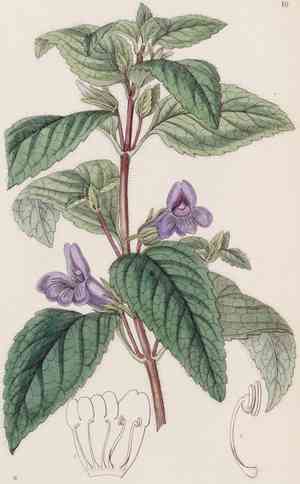
Adenosma (Adenosma) (Adenosma)
Also known as: East Indian Globe Plant
Adenosma is a genus of flowering plants in the family Plantaginaceae, native to Southeast Asia and the Pacific islands. These plants are known for their small, tubular flowers and aromatic foliage.
In This Article
Attributes of Adenosma (Adenosma)
Lifespan
Annual, Perennial
Plant Height
0.2 to 1.5 meters
Spread
0.3 to 0.5 meters
Leaf Color
Green
Flower Size
0.5 to 1 cm
Flower Color
Purple, Blue, Yellow
Images of Adenosma (Adenosma)
Quickly Identify Adenosma (Adenosma)
1
Adenosma plants are recognized by their small, tubular flowers and aromatic leaves. They typically grow in clusters and have a herbaceous or somewhat woody base.
Scientific Classification of Adenosma (Adenosma)
Phylum
Tracheophyta
Class
Magnoliopsida
Order
Lamiales
Family
Plantaginaceae
Genus
Adenosma
Planting and Growing of Adenosma (Adenosma)
Care Difficulty
Moderate
Watering Schedule
Every 3 days
Sunlight Requirements
Partial sun
Sunshine Duration
4-8 hours
Ideal Temperature
65-77℉
Soil Type
Potting Mix, Peat Mix
Soil pH
5.5-7
Fertilizer Type
Balanced
Pruning Season
Spring, Summer
Pruning Area
Branches, Leaves
Pruning Frequency
2 times a year
Repotting Season
Spring
Pot Type
Plastic, Ceramic
 How to Water Adenosma (Adenosma)?
For Adenosma, it's important to water deeply and thoroughly, using about 200 ml each time. Ensure the soil is saturated but don't let water pool around the roots. This promotes healthy growth by allowing the water to reach the deeper roots.
What are the symptoms of an underwatered Adenosma (Adenosma)?
›
What should I do if my Adenosma (Adenosma) is not getting enough water?
›
What are the symptoms of an overwatered Adenosma (Adenosma)?
›
How to save an overwatered Adenosma (Adenosma)?
›
 What Are the Sunlight Requirements for Adenosma (Adenosma)?
Partial sun to full sun is ideal, ensuring robust growth and vivid flowering. Optimal light helps facilitate Adenosma's chlorophyll development, enhancing its photosynthetic capability significantly.
Daily Sunlight Duration
›
Morning versus Afternoon Sun
›
Overwintering Care
›
 What Is the Ideal Temperature Range for Adenosma (Adenosma)?
The ideal temperature range for cultivating Adenosma is between 65°F and 77°F. This range provides the perfect environment that mimics its natural habitat, allowing it to flourish. Such temperatures promote optimal photosynthesis and nutrient absorption, which is essential for its growth and flowering.
 What Soil is Best for Adenosma (Adenosma)?
Adenosma thrives in nutrient-rich soil, benefiting from the abundance of organic matter that boosts plant vigor and supports robust growth. Ensuring the presence of these nutrients promotes healthy foliage and vibrant bloom cycles. The plant requires well-draining soil to prevent root rot, as waterlogged conditions can suffocate roots. High percolation aids in delivering oxygen to the root zone, reducing disease risk and fostering a healthy root system. Soil that retains moderate moisture without staying too wet helps Adenosma maintain essential hydration. This balance keeps the plant hydrated while minimizing water stress, particularly during dry spells.
 How to Fertilize Adenosma (Adenosma)?
For Adenosma, it is crucial to strike the right balance in fertilization to encourage healthy growth without overwhelming the plant. Liquid fertilizers should be applied at a moderate concentration, approximately one tablespoon per gallon of water, ensuring thorough saturation of the soil. For slow-release fertilizers, use about 1/4 cup per plant, lightly mixed into the topsoil to ensure effective nutrient distribution.
 How to Prune Adenosma (Adenosma)?
Begin by closely inspecting your Adenosma plant to identify any dead or diseased parts. Carefully remove these sections to prevent the spread of disease and promote overall plant health. Use sterilized pruning shears to make clean cuts right above a healthy node. Prune your Adenosma to maintain its shape and size. Focus on cutting back any overgrown branches that disrupt the plant's overall aesthetics. Snip just above a node or a leaf joint to encourage bushier growth and maintain an attractive form.
 How to Propagate Adenosma (Adenosma) plant?
1
Choose healthy, disease-free plants for propagation. Ensure that the mother plant is mature enough and exhibits strong and healthy growth, as this increases the chances of successful propagation.
2
Use a well-draining potting mix tailored for the plant type. Sterilize it to prevent disease, and moisten it slightly to provide a suitable environment for seed germination or root development.
3
Carefully sow seeds at the recommended depth, or prepare cuttings by removing lower leaves, and dip them into a rooting hormone. Ensure you plant at the right depth for optimal growth.
 How to Repot Adenosma (Adenosma) plant?
1
Repotting Adenosma should be considered when the plant outgrows its pot, roots appear at the surface or through drainage holes, or soil becomes compacted, which hinders drainage and aeration. These signs typically indicate that your plant requires more space to thrive.
2
Select a pot that is one size larger than the current one, with sufficient drainage holes. A slightly larger pot ensures enough space for root growth, while good drainage prevents root rot. Opting for clay or ceramic pots can also help regulate soil moisture levels effectively.
3
Choose a well-draining soil mix that mimics the plant's natural habitat. This might include a mix of peat, perlite, and sand. Such a blend allows excess water to drain away easily, avoiding issues like waterlogging, which can suffocate roots and lead to disease.
Learn More About Adenosma (Adenosma) Diseases
Anthracnose
Bacterial Leaf Spot
Bacterial Soft Rot
Bacterial Wilt
Black Spot
Chemical Injury
Crown Gall
Cyst Nematode
Damping-off
Downy Mildew
Drought Stress
Fusarium Wilt
Gray Mold
Leaf Spot
Mosaic
Nutrient Deficiency
Nutrient Toxicity
Powdery Mildew
Root Rot
Root-knot Nematode
Rusts
Sooty Mold
Spider Mites
Temperature Stress
Thrips Damage
White Mold

