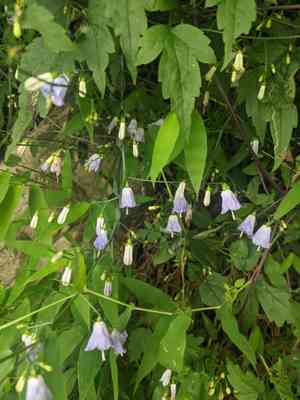
Adenophora potaninii (Adenophora potaninii)
Also known as: Ladybell, Bellflower
Adenophora potaninii belongs to the Campanulaceae family and is known for its perennial growth habit, often featuring thick, fleshy roots. The plant typically has an erect stem that emerges from a caudex. Basal leaves are commonly found on long petioles, while the stem leaves are generally arranged alternately. The flowers can be solitary or grouped in cymes. They are usually blue and have a bell, funnel, or tubular shape with five lobes. A distinctive nectar disc is present at the base of the stamens. The genus encompasses approximately 62 species.
In This Article
Attributes of Adenophora potaninii
Lifespan
Perennial
Plant Height
90 cm
Spread
30 cm
Leaf Color
Green
Flower Size
2-3 cm
Flower Color
Bluish-purple
Images of Adenophora potaninii
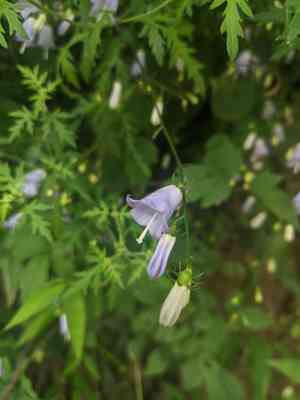
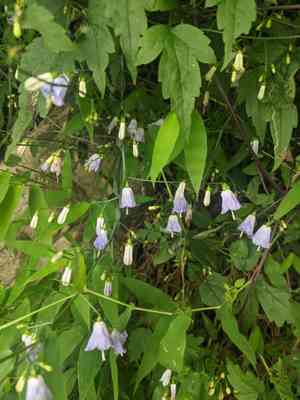
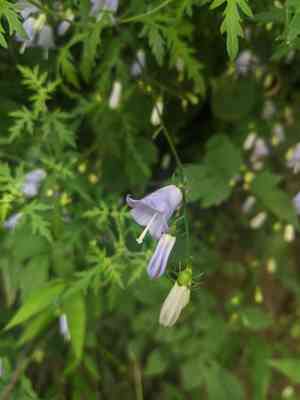

Quickly Identify Adenophora potaninii
1
Identifying Adenophora potaninii involves looking for its characteristic bell-shaped, bluish-purple flowers and its lanceolate leaves that are alternately arranged. The stems are usually slender and may reach a height of up to 1 meter.
Scientific Classification of Adenophora potaninii
Phylum
Vascular plants
Class
Dicotyledons
Order
Asters bellflowers fanflowers and allies
Family
Bellflower
Genus
Ladybells
Species
Adenophora potaninii
Planting and Growing of Adenophora potaninii
Care Difficulty
Moderate
Watering Schedule
Every 4 days
Sunlight Requirements
Partial sun
Sunshine Duration
4-8 hours
Ideal Temperature
60-75℉
Soil Type
Potting Mix, Peat Mix
Soil pH
6-7.5
Fertilizer Type
Balanced
Pruning Season
Spring, Summer
Pruning Area
Branches, Leaves
Pruning Frequency
2 times a year
Repotting Season
Spring
Pot Type
Plastic, Ceramic
 How to Water Adenophora potaninii?
Adenophora potaninii prefers soil that is consistently moist, but not soggy. Aim to water until the soil is evenly damp to about 1 inch below the surface, roughly 250 ml per session, ensuring drainage is adequate to prevent root rot.
What are the symptoms of an underwatered Adenophora potaninii?
›
What should I do if my Adenophora potaninii is not getting enough water?
›
What are the symptoms of an overwatered Adenophora potaninii?
›
How to save an overwatered Adenophora potaninii?
›
 What Are the Sunlight Requirements for Adenophora potaninii?
Adenophora potaninii prefers partial sun conditions and thrives with 4-6 hours of sunlight per day. Ideal lighting promotes healthy development, encourages flowering, and enhances the plant's natural resilience against environmental stresses.
What is the best lighting condition for Adenophora potaninii?
›
How can I ensure my Adenophora potaninii gets the right amount of sunlight?
›
What benefits does Adenophora potaninii gain from ideal lighting?
›
 What Is the Ideal Temperature Range for Adenophora potaninii?
Adenophora potaninii thrives best within a temperature range of 60°F to 75°F. This temperature range allows for optimal biochemical and physiological processes, promoting healthy growth and vibrant blooms. Maintaining a consistent environment within this range minimizes stress and supports the plant's overall robustness.
 What Soil is Best for Adenophora potaninii?
Adenophora potaninii thrives in well-drained soil that prevents waterlogging and root rot. This type of soil facilitates optimal moisture levels, supporting healthy root development and robust growth. It is particularly beneficial during rainy seasons when excess water could pose a threat to the plant's health. Rich, fertile soil is crucial for the growth of Adenophora potaninii, providing essential nutrients for photosynthesis and overall vitality. Incorporating organic matter such as compost can significantly enhance the soil's fertility, promoting vigorous flowering and foliage development. While Adenophora potaninii requires well-drained soil, it also benefits from retaining some moisture. This balanced moisture helps prevent wilting and supports the plant during dry spells, ensuring continuous growth and lush appearance throughout the growing season.
 How to Fertilize Adenophora potaninii?
For Adenophora potaninii, a moderate amount of fertilizer is best to support its growth. Use approximately 1 teaspoon of liquid fertilizer diluted in a gallon of water every two weeks. For slow-release options, incorporate about one tablespoon into the topsoil around the base of the plant once every four months to ensure nutrients are available gradually.
 How to Prune Adenophora potaninii?
Start by removing any dead, damaged, or diseased stems. Identify overgrown or poorly positioned stems that hinder optimal growth. Cut just above a healthy bud or lateral branch to encourage a bushier growth pattern. Avoid cutting more than one-third of the plant at once.
More About Pruning Techniques→
 How to Propagate Adenophora potaninii plant?
1
Collect fresh seeds from mature Adenophora potaninii plants. Clean the seeds to remove any flesh and allow them to dry for a few days. This step is crucial for preventing mold and promoting successful germination.
2
Choose a well-draining potting mix and fill the seed trays or pots. Ensure the soil is loose and nutrient-rich. Pre-moisten the soil lightly to provide an ideal environment for seed germination.
3
Sow seeds on the soil surface and lightly cover them with a thin layer of soil. Keep the soil consistently moist using a gentle spray. Place the tray in a warm area with indirect sunlight until germination occurs.
 How to Repot Adenophora potaninii plant?
1
Adenophora potaninii should be repotted when you notice roots growing through the drainage holes, or if its growth has noticeably slowed. Spring and autumn are the best times, as the plant is in a period of active growth during these seasons.
2
Choose a pot that is 1-2 inches larger in diameter than the current one to provide room for growth and prevent water from pooling at the bottom. It should have drainage holes to avoid waterlogging, which helps maintain healthy root systems.
3
Opt for a loamy, well-draining soil mix to ensure good aeration and moisture retention. This type of soil supports healthy root development and reduces the risk of root rot, allowing your plant to thrive.
Learn More About Adenophora potaninii Diseases
Anthracnose
Bacterial Leaf Spot
Bacterial Wilt
Crown Gall
Cyst Nematode
Damping-off
Downy Mildew
Drought Stress
Fusarium Wilt
Gray Mold
Leaf Spot
Mosaic
Nutrient Deficiency
Nutrient Toxicity
Powdery Mildew
Root Rot
Root-knot Nematode
Rusts
Sooty Mold
Spider Mites
Temperature Stress
Thrips Damage
White Mold



