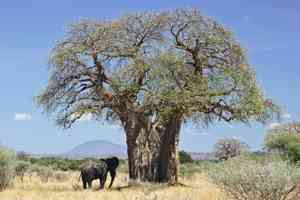
Baobab (Adansonia digitata)
Also known as: Upside-down tree, Cream of tartar tree
The Baobab tree (Adansonia digitata) is native to regions including Africa, Australia, Madagascar, and the Arabian Peninsula. It flourishes in hot, arid environments and boasts an impressive lifespan, with some trees exceeding 3,000 years. One of its distinctive features is its massive trunk, which can store water and reach a circumference of over 28 meters.
In This Article
Attributes of Baobab
Lifespan
Perennial
Plant Type
Tree
Plant Height
4.5 m to 24 m
Spread
15 m
Leaf Color
Green
Flower Size
13 cm to 15 cm
Flower Color
White
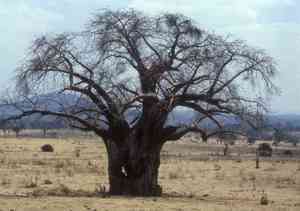
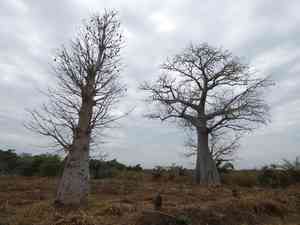
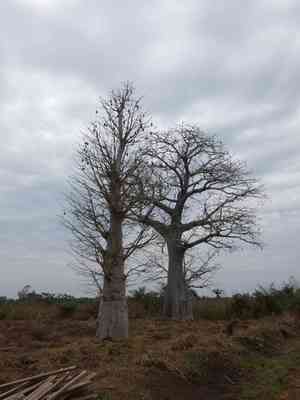
Images of Baobab
Quickly Identify Baobab
1
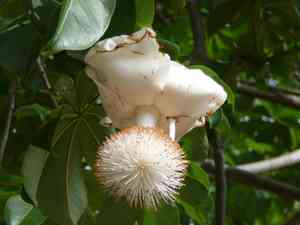
To identify Adansonia digitata, look for a massive trunk often exceeding 10 meters in diameter, digit-shaped compound leaves with typically 5-7 leaflets, and large, white flowers that bloom at night.
Scientific Classification of Baobab
Phylum
Vascular plants
Class
Dicotyledons
Order
Mallows, rock-roses, and allies
Family
Mallow
Genus
Baobabs
Species
Baobab
Planting and Growing of Baobab
Care Difficulty
Easy
Watering Schedule
Every 2 days
Sunlight Requirements
Full sun
Sunshine Duration
4-8 hours
Ideal Temperature
70-86℉
Soil Type
Potting Mix, Peat Mix
Soil pH
6.5-7.5
Fertilizer Type
Balanced
Pruning Season
Spring, Summer
Pruning Area
Branches, Leaves
Pruning Frequency
2 times a year
Repotting Season
Spring
Pot Type
Plastic, Terracotta
 How to Water Baobab?
Adansonia digitata, commonly known as the baobab, requires thoughtful watering. When watering, ensure that the soil is damp but not waterlogged. The principle is to mimic the seasonal rains it receives in its native habitat. Use approximately 500 ml of water per session.
What are the symptoms of an underwatered Baobab?
›
What should I do if my Baobab is not getting enough water?
›
What are the symptoms of an overwatered Baobab?
›
How to save an overwatered Baobab?
›
 What Are the Sunlight Requirements for Baobab?
Adansonia digitata thrives best under full sun conditions, ideally receiving 6 to 8 hours of direct sunlight daily. This ensures healthy leaf development, boosts photosynthesis, and leads to stronger, more resilient growth patterns.
More About Sunlight Requirements Techniques→
How much sunlight does Adansonia digitata need?
›
Solutions for achieving optimal sunlight for Adansonia digitata
›
Benefits of ideal light exposure for Adansonia digitata
›
 What Is the Ideal Temperature Range for Baobab?
The ideal temperature range for Adansonia digitata is between 70°F and 86°F. Within this range, the plant experiences optimal photosynthesis and respiration rates. Maintaining such temperatures ensures robust growth and healthy foliage, as these conditions closely mimic their native tropical environment where these plants naturally thrive.
 What Soil is Best for Baobab?
Adansonia digitata thrives in well-drained soil, ensuring that excess water doesn't stagnate and cause root rot. This characteristic is crucial as it mimics its natural habitat, providing optimal growth conditions. Baobabs prefer soils that are rich in nutrients, supporting their rapid growth and development. Nutrient-rich substrates ensure a robust root system and healthy foliage. The soil should retain enough moisture to sustain the plant during dry spells, yet not too much to suffocate the roots. This balance allows Adansonia digitata to withstand drought conditions while thriving.
 How to Fertilize Baobab?
For Adansonia digitata, a renowned baobab tree, the required fertilizer amount is quite specific. During the growing season, it requires about 50 grams of balanced fertilizer per application, ensuring that the nutrients cater to its growth stages. Additionally, cut back on fertilizing in the dormancy period to avoid over-nourishment.
 How to Prune Baobab?
Use sharp, clean pruning shears or saws for cutting. Ensuring your tools are sanitized prevents disease transmission from plant to plant. A ladder may also be necessary due to the tree's height. Start by removing any dead or diseased branches as close as possible to the trunk. This not only revives the tree's appearance but also averts the spread of decay. Trim back overgrown branches to maintain the tree's distinctive bottle shape. Pruning for shape involves cutting just above a bud facing the desired direction of growth. Avoid making large cuts on mature branches unless absolutely necessary. Large wounds take longer to heal and increase the likelihood of disease entry.
More About Pruning Techniques→
 How to Propagate Baobab plant?
1
To enhance germination, baobab seeds should be scarified by gently rubbing them with sandpaper or nicking the outer layer. This allows moisture to penetrate more easily.
2
Soak the scarified seeds in warm water for 24 hours. This hydrates the seeds, initiating the germination process by softening the seed coat further.
3
After soaking, plant the seeds in individual pots or seed trays filled with sterilized soil. Ensure they are planted at a depth of about 1 cm, and keep the soil consistently moist.
 How to Repot Baobab plant?
1
Adansonia digitata typically requires repotting when its roots begin to outgrow the container or when you notice a decrease in growth rate. Ideally, inspect roots in spring or summer, ensuring ample space to accommodate its expanding root system. Repotting when the plant is dormant minimizes stress and supports healthy transitions.
2
Select a pot that's slightly larger than the current container, with adequate drainage holes. A pot made from breathable material like terracotta is ideal, as it helps maintain a balanced moisture level within the soil, preventing the risk of root rot. The additional space allows room for growth and expansion.
3
For Adansonia digitata, a well-draining cactus mix ensures that excess water drains effectively, mimicking its natural habitat conditions. This mix prevents waterlogging, which is crucial for baobabs as they prefer dry roots. Adding perlite or sand enhances drainage and improves aeration, creating an optimal growing environment.
Learn More About Baobab Diseases
Anthracnose
Bacterial Leaf Spot
Bacterial Soft Rot
Bacterial Wilt
Black Spot
Chemical Injury
Crown Gall
Cyst Nematode
Damping-off
Drought Stress
Fusarium Wilt
Gray Mold
Leaf Spot
Mosaic
Nutrient Deficiency
Nutrient Toxicity
Powdery Mildew
Root Rot
Root-knot Nematode
Sooty Mold
Spider Mites
Temperature Stress
Thrips Damage
White Mold



