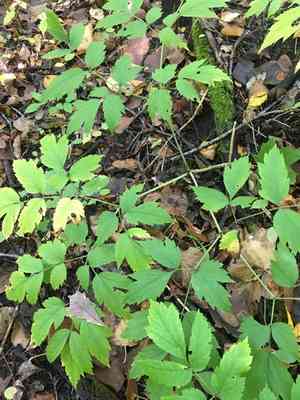
Baneberries (Actaea) (Actaea)
Also known as: Cohoshes, Snakeberries
Baneberries are toxic perennials typically found in moist woodland areas. While their berries are highly poisonous to humans and rabbits, birds remain unaffected by the toxins. These birds play a crucial role in dispersing the seeds. The berries of baneberries look similar to those of black bugbane, a related species.
In This Article
Attributes of Baneberries (Actaea)
Lifespan
Perennial
Plant Height
1 to 2 meters (3 to 6 feet)
Spread
Approximately 0.5 to 1 meter (1.5 to 3 feet)
Leaf Color
Green
Flower Size
2.5 cm
Flower Color
White Pink
Images of Baneberries (Actaea)
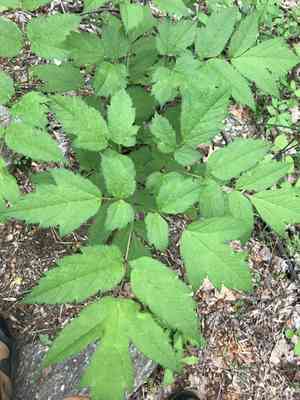
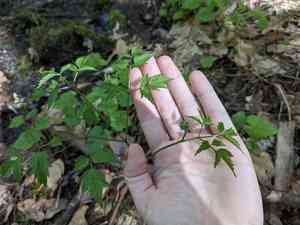
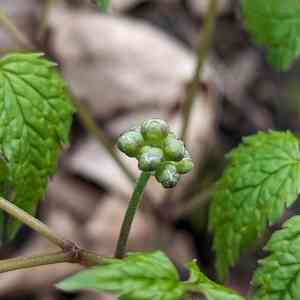
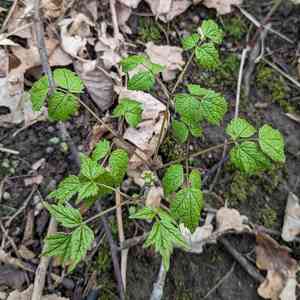
Quickly Identify Baneberries (Actaea)
1
Actaea can be identified by their compound leaves, white or greenish flowers in elongated clusters, and distinctive berries that can be red, white, or black depending on the species. The berries often have a glossy appearance and grow on thick stalks.
Scientific Classification of Baneberries (Actaea)
Phylum
Magnoliophyta
Class
Magnoliopsida
Order
Ranunculales
Family
Ranunculaceae
Genus
Actaea
Planting and Growing of Baneberries (Actaea)
Care Difficulty
Moderate
Watering Schedule
Every 4 days
Sunlight Requirements
Partial sun
Sunshine Duration
4-8 hours
Ideal Temperature
60-68℉
Soil Type
Potting Mix, Peat Mix
Soil pH
5.5-6.5
Fertilizer Type
Balanced
Pruning Season
Spring, Summer
Pruning Area
Branches, Leaves
Pruning Frequency
2 times a year
Repotting Season
Spring
Pot Type
Plastic, Ceramic
 How to Water Baneberries (Actaea)?
For Actaea, it's crucial to water until the moisture penetrates deeply into the soil, allowing the roots ample hydration without leaving the soil waterlogged. The soil should be moist, but not drenched, ensuring that excess water can freely drain away.
What are the symptoms of an underwatered Baneberries (Actaea)?
›
What should I do if my Baneberries (Actaea) is not getting enough water?
›
What are the symptoms of an overwatered Baneberries (Actaea)?
›
How to save an overwatered Baneberries (Actaea)?
›
 What Are the Sunlight Requirements for Baneberries (Actaea)?
Partial sun exposure is ideal, providing delicate balance for photosynthesis without stressing the plant. This range ensures healthy growth, lush foliage, and vibrant blooms.
How does Actaea benefit from partial sun?
›
What kind of environment should I avoid?
›
How to create an ideal lighting environment indoors?
›
 What Is the Ideal Temperature Range for Baneberries (Actaea)?
Actaea thrives in a temperature range between 60°F and 68°F (15°C to 20°C). This range ensures healthy growth and vibrant foliage, allowing the plant to maintain an optimal physiological state. Exposure to temperatures within this range is critical for proper nutrient uptake and efficient photosynthesis.
 What Soil is Best for Baneberries (Actaea)?
Actaea thrives in soils that can retain moisture effectively without becoming waterlogged. The ability of the soil to hold moisture helps the plant sustain its lush appearance and allows for proper nutrient uptake, ensuring healthy growth. While Actaea loves moisture, it's important for the soil to offer good drainage to prevent root rot. Well-draining soil provides the balance between moisture retention and excess water removal, essential for the plant's long-term health. Actaea benefits from nutrient-rich soil that can supply essential minerals for growth and flowering. This requirement supports robust development, vibrant blooms, and overall plant vitality, contributing significantly to its ornamental appeal.
 How to Fertilize Baneberries (Actaea)?
When fertilizing Actaea, ensure to provide a balanced fertilizer mix with a ratio such as 10-10-10. Use roughly one tablespoon of slow-release pellets per square foot of soil for optimum growth. For liquid fertilizer, dilute it to half strength before application to avoid over-fertilization.
 How to Prune Baneberries (Actaea)?
When pruning Actaea, focus on removing any dead or damaged stems to maintain a pleasing shape. Trim back unruly or crossing branches to ensure better air circulation, which can prevent diseases. After the blooming period, it's beneficial to deadhead spent flowers. This encourages the plant to concentrate energy on root development and can result in more robust growth the following season.
 How to Propagate Baneberries (Actaea) plant?
1
Soak Actaea seeds in warm water for 24 hours to break seed dormancy. This step helps enhance germination rate by softening the seed coat.
2
Sow the seeds in a seed tray filled with a mix of peat and perlite. Maintain a temperature of around 20°C (68°F) for optimal germination conditions.
3
For division, carefully dig up the plant during late winter. Use a spade to divide the root mass into sections, ensuring each section has a good number of healthy roots.
 How to Repot Baneberries (Actaea) plant?
1
Actaea shows signs that it needs repotting when the roots begin to protrude from the drainage holes or if the growth seems stunted and the soil loses its drainage capacity. Spring and autumn are ideal as the plant is not stressed by extreme temperature conditions. Look for these signals, and you'll know it's time!
2
Choosing the right pot for Actaea is crucial. Opt for a pot that's only a size larger than its current one, ideally with good drainage holes. This ensures that water doesn't accumulate, which could lead to root rot. A slightly larger pot promotes healthy growth without overwhelming the plant. This careful choice balances the space the roots need while ensuring the plant feels snug and secure.
3
Actaea prefers rich, moist, well-draining soil. Opt for a soil mix with organic matter like compost and a bit of sand or perlite to promote drainage. This type of soil ensures that Actaea's roots remain hydrated but not waterlogged, providing the essential nutrients required for robust growth. With the right soil mix, the plant establishes quickly and remains healthy.
Toxicity of Baneberries (Actaea)
Is Baneberries (Actaea) toxic to humans?
Baneberries are poisonous to mammals, including humans and domesticated pets, while birds play a crucial role in dispersing the seeds safely. The vibrant berries are alluring to children, potentially resulting in serious issues.
WARNING
The judgment on toxicity and danger is for reference only. We DO NOT GUARANTEE any accuracy of such judgment. Therefore, you SHALL NOT rely on such judgment. It is IMPORTANT TO SEEK PROFESSIONAL ADVICE in advance when necessary.


