Leatherferns (Acrostichum) (Acrostichum)
Also known as: Leather ferns
Leatherleaf ferns (Rumohra adiantiformis) are perennials known for their dense, shiny, and feather-like foliage. These characteristics make them ideal for use as a base in floral arrangements and for creating lush borders. Their evergreen leaves provide year-round greenery. They naturally thrive in environments like mangroves and brackish swamps, often forming large, verdant clumps.
In This Article
Attributes of Leatherferns (Acrostichum)
Lifespan
Perennial
Plant Height
Up to 3 meters
Spread
Not applicable
Leaf Color
Green (mature), Reddish (young)
Flower Size
Not applicable
Flower Color
Not applicable
Images of Leatherferns (Acrostichum)
Quickly Identify Leatherferns (Acrostichum)
1
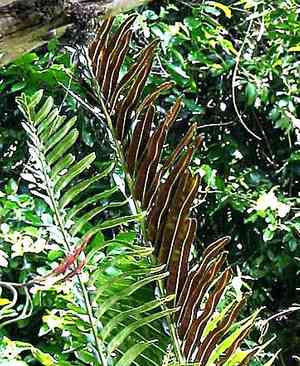
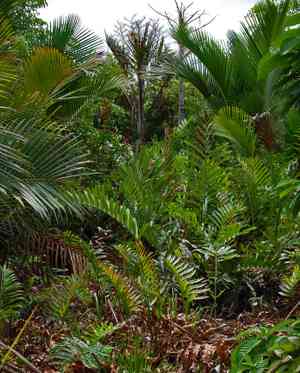
Acrostichum can be identified by its tall, leathery fronds that are reddish when young and turn green as they mature. The fronds are also pinnate with numerous pairs of lanceolate leaflets.
Scientific Classification of Leatherferns (Acrostichum)
Phylum
Pteridophyta
Class
Polypodiopsida
Order
Polypodiales
Family
Pteridaceae
Genus
Acrostichum
Planting and Growing of Leatherferns (Acrostichum)
Care Difficulty
Moderate
Watering Schedule
Every 3 days
Sunlight Requirements
Partial sun
Sunshine Duration
6-10 hours
Ideal Temperature
68-86℉
Soil Type
Potting Mix, Peat Mix
Soil pH
5.5-7.5
Fertilizer Type
Balanced
Pruning Season
Spring, Summer
Pruning Area
Branches, Leaves
Pruning Frequency
2 times a year
Repotting Season
Spring
Pot Type
Ceramic, Plastic
 How to Water Leatherferns (Acrostichum)?
Acrostichum prefers consistent moisture, so ensure each watering session provides about 500 ml of water. This amount helps maintain adequate soil moisture without overwhelming the roots—aim for slightly moist, not soggy, soil.
What are the symptoms of an underwatered Leatherferns (Acrostichum)?
›
What should I do if my Leatherferns (Acrostichum) is not getting enough water?
›
What are the symptoms of an overwatered Leatherferns (Acrostichum)?
›
How to save an overwatered Leatherferns (Acrostichum)?
›
 What Are the Sunlight Requirements for Leatherferns (Acrostichum)?
Ideally, Acrostichum should be in an environment that provides partial sun to full shade. This helps in maintaining robust frond growth and preventing leaf damage or stress from fluctuating light conditions.
What type of environment does Acrostichum prefer?
›
How to achieve ideal lighting conditions?
›
What are the benefits of achieving ideal lighting?
›
 What Is the Ideal Temperature Range for Leatherferns (Acrostichum)?
For optimal growth, Acrostichum thrives in temperatures between 68°F and 86°F. This range facilitates photosynthesis and allows for healthy development. Maintaining these temperatures ensures that the plant can easily absorb nutrients and grow vigorously without the risk of stress from cold or excessive heat.
 What Soil is Best for Leatherferns (Acrostichum)?
This plant flourishes best in well-drained soils that prevent root rot. A well-drained soil allows excess water to flow away, avoiding waterlogging which can be detrimental to plant health by depriving roots of necessary oxygen. Acrostichum thrives in soils rich in organic matter. This nutrient boost supports healthy growth and vibrant foliage, providing essential nutrients that help the plant to withstand harsh conditions. While the soil should be well-drained, it also needs to retain enough moisture for the plant to draw upon. Sandy loam is ideal as it balances drainage with moisture retention, ensuring the plant remains hydrated without getting too wet.
 How to Fertilize Leatherferns (Acrostichum)?
For Acrostichum, it's crucial to avoid over-fertilizing. Apply a balanced water-soluble fertilizer at half the recommended concentration to avoid nutrient burn. A light application promotes steady growth without overwhelming the plant. Regular monitoring and adjustment ensure an optimal nutrient supply.
 How to Prune Leatherferns (Acrostichum)?
Use sharp pruning shears or scissors to ensure clean cuts. Clean tools reduce the risk of spreading diseases. Always disinfect them before and after each use. Examine your Acrostichum for dead or yellowing fronds. These fronds should be removed at the base to encourage new, healthy growth. Trim around the margins to keep the Acrostichum looking tidy, but be cautious not to remove more than one-third of the plant at a time to prevent stress. After pruning, watch for signs of new growth. This is a good indicator of plant health and successful pruning practices.
 How to Propagate Leatherferns (Acrostichum) plant?
1
Begin by filling containers with a sterilized potting mix. Sow Acrostichum seeds evenly on the surface without burying them too deep. A gentle mist of water can be used to settle the seeds into the soil. Maintain consistent moisture for optimal germination.
2
Place the seeded containers in a warm area with temperatures around 70-75°F (21-24°C). Warm temperatures encourage faster germination and healthy seedling development. Using a heat mat can provide consistent warmth to the seeds.
3
Ensure that the seedlings receive adequate light. Position them under fluorescent lights or near a bright window, providing at least 12-16 hours of light daily. This light exposure is crucial for ensuring healthy growth and development of young plants.
 How to Repot Leatherferns (Acrostichum) plant?
1
Acrostichum plants exhibit certain signals that indicate it's time for repotting. Overcrowding in the pot, slowed growth, or roots growing out of the drainage holes are clear indicators. Repotting during the active growing seasons of spring or summer ensures the plant recovers and thrives efficiently in its refreshed environment.
2
Selecting a proper pot is crucial for Acrostichum. Choose a pot that is slightly larger than the current one to allow room for growth. Ensure it has good drainage holes to prevent waterlogging, which can lead to root rot. Using a pot made of breathable materials like terracotta can help in regulating soil moisture levels effectively.
3
Acrostichum thrives in loamy, well-draining soil, enriched with organic matter. This kind of soil retains necessary moisture while still allowing excess water to escape, thus avoiding root rot. A mix that might include peat moss or perlite can also be beneficial, ensuring proper aeration and nutrient availability for the plant.

