Acourtia (Acourtia) (Acourtia)
Also known as: none
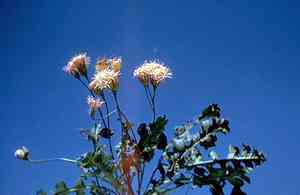
The genus **Acourtia**, commonly known as desertpeonies, consists of flowering plants indigenous to the Southwestern United States and Mesoamerica. These plants typically produce flowers in shades of white, pink, or purple. Their flower heads are usually made up of disc florets, with some resembling ray florets due to their elongated shape.
In This Article
Attributes of Acourtia (Acourtia)
Lifespan
Perennial
Plant Height
0.5 to 1 meter
Spread
0.5 meters
Leaf Color
Green
Flower Size
1 to 2 centimeters
Flower Color
Pink, Purple, White
Images of Acourtia (Acourtia)
Quickly Identify Acourtia (Acourtia)
1
Acourtia plants can be identified by their toothed leaves, which are often covered with a sticky, resinous substance. The flowers are typically pink, purple, or white and are arranged in dense clusters.
Scientific Classification of Acourtia (Acourtia)
Phylum
Angiosperms
Class
Magnoliopsida
Order
Asterales
Family
Asteraceae
Genus
Acourtia
Planting and Growing of Acourtia (Acourtia)
Care Difficulty
Moderate
Watering Schedule
Every 3 days
Sunlight Requirements
Full sun
Sunshine Duration
4-6 hours
Ideal Temperature
65-75℉
Soil Type
Potting Mix, Peat Mix
Soil pH
6.5-7.5
Fertilizer Type
Balanced
Pruning Season
Spring, Summer
Pruning Area
Branches, Leaves
Pruning Frequency
2 times a year
Repotting Season
Spring
Pot Type
Plastic, Ceramic
 How to Water Acourtia (Acourtia)?
For Acourtia, water until the top 2 inches of soil are thoroughly moist. A standard watering should involve about 250 ml per session, but adjust based on soil dryness. The goal is to maintain consistently damp, but not waterlogged, soil, ensuring roots have ample access to moisture without sitting in stagnant water.
What are the symptoms of an underwatered Acourtia (Acourtia)?
›
What should I do if my Acourtia (Acourtia) is not getting enough water?
›
What are the symptoms of an overwatered Acourtia (Acourtia)?
›
How to save an overwatered Acourtia (Acourtia)?
›
 What Are the Sunlight Requirements for Acourtia (Acourtia)?
This plant thrives best with full sun, around 6-8 hours daily. Such exposure supports photosynthesis, robust flowering, and overall development, encouraging vigorous growth.
Optimal Sun Exposure
›
Daily Sunlight Needs
›
Balanced Light Distribution
›
 What Is the Ideal Temperature Range for Acourtia (Acourtia)?
The ideal temperature range for Acourtia plants is between 65°F and 75°F. This range allows the plant to perform photosynthesis efficiently and maintain healthy growth. Keeping temperatures within this range ensures the opening and closing of stomata for gas exchange is optimized, which is crucial for healthy foliage and flower development.
 What Soil is Best for Acourtia (Acourtia)?
Acourtia thrives in nutrient-rich soil that provides essential minerals for healthy growth. This type of soil supports vibrant foliage and robust flower production, enhancing the plant's aesthetic appeal. Ensuring well-drained soil is crucial for Acourtia as it prevents root rot. Proper drainage facilitates optimal nutrient uptake and allows roots to breathe, promoting vigorous growth. Maintaining soil with moderate moisture levels helps Acourtia sustain its hydration needs without over-saturating the roots. This balance supports consistent growth and flowering cycles.
 How to Fertilize Acourtia (Acourtia)?
For the genus Acourtia, ensure to apply a balanced, water-soluble fertilizer at half the recommended strength. Excessive amounts can harm the plant's delicate root system, leading to nutrient burn. Typically, a mild solution diluted to 50% of the standard recommendation is ideal during the growing season.
 How to Prune Acourtia (Acourtia)?
Begin by removing any dead, damaged, or diseased stems. This helps prevent the spread of disease and allows the plant to channel energy into healthy growth. Trim to shape the plant by cutting back leggy stems. Make cuts just above a leaf node to encourage bushier growth. Aim to create a balanced, aesthetically pleasing form. For more vigorous growth, lightly prune back stems throughout the growing season, allowing light to penetrate and air to circulate within the plant, boosting overall plant health.
 How to Propagate Acourtia (Acourtia) plant?
1
Collect seeds from a mature Acourtia plant. Ensure the seeds are dry and free from debris. Soak them in lukewarm water for 24 hours to enhance germination chances.
2
Choose a healthy stem and use sterilized shears to cut a 4-6 inch segment at a 45-degree angle. Remove lower leaves to reduce water loss and promote rooting.
3
Carefully dig around the base of the Acourtia plant during early spring. Separate the root cluster into smaller sections ensuring each has a viable shoot bud.
 How to Repot Acourtia (Acourtia) plant?
1
Acourtia plants typically need repotting when roots start to outgrow the current pot, visible as roots emerging from the drainage holes or circling the pot’s edges. Spring or autumn is ideal, as these seasons provide moderate temperatures, reducing transplant shock while encouraging root establishment.
2
Select a pot that is 1-2 inches larger in diameter than the current one to accommodate root growth without overwhelming the plant. Ensure it has ample drainage holes to prevent waterlogging, which can lead to root rot. A slightly heavier pot also prevents tipping for tall varieties.
3
Utilize a well-draining, loamy potting mix with an acidic to neutral pH to mimic Acourtia’s natural environment. This soil type allows excess water to drain while retaining necessary moisture and nutrients, essential for preventing root rot and ensuring robust plant growth.
Toxicity
Ingestion, Skin contact
WARNING
The judgment on toxicity and danger is for reference only. We DO NOT GUARANTEE any accuracy of such judgment. Therefore, you SHALL NOT rely on such judgment. It is IMPORTANT TO SEEK PROFESSIONAL ADVICE in advance when necessary.

