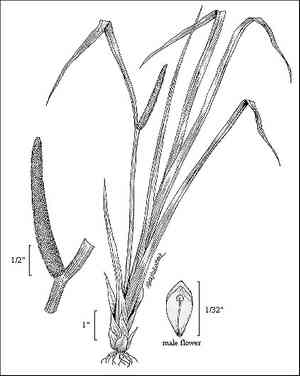
Calamus (Acorus) (Acorus)
Also known as: Sweet Flag, Calamus
Calamus plants are a small genus of wetland species that attract gardeners with their vibrant, grass-like evergreen foliage. They can be found in natural forms as well as various cultivars, some featuring striking multi-colored or variegated leaves. Additionally, the citrus-like fragrance emitted by the leaves enhances their ornamental value, making them a popular choice in diverse garden settings.
In This Article
Attributes of Calamus (Acorus)
Lifespan
Perennial
Plant Height
1.2 m
Spread
60 cm
Leaf Color
Green
Flower Size
1-3 cm
Flower Color
Greenish-yellow
Images of Calamus (Acorus)
Quickly Identify Calamus (Acorus)
1
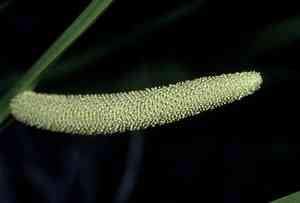
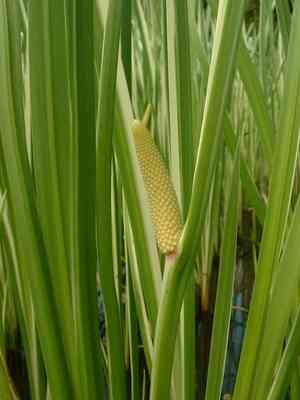
Sweet flag can be identified by its sword-like, fragrant leaves, rhizomatous root system, and distinctive, spike-like flower structure known as a spadix. The leaves are green and arranged in a fan-like manner.
Scientific Classification of Calamus (Acorus)
Phylum
Magnoliophyta
Class
Liliopsida
Order
Acorales
Family
Acoraceae
Genus
Acorus
Planting and Growing of Calamus (Acorus)
Care Difficulty
Easy
Watering Schedule
Every 4 days
Sunlight Requirements
Partial sun
Sunshine Duration
4-6 hours
Ideal Temperature
65-77℉
Soil Type
Potting Mix, Peat Mix
Soil pH
6.5-7.5
Fertilizer Type
Balanced
Pruning Season
Spring, Summer
Pruning Area
Branches, Leaves
Pruning Frequency
2 times a year
Repotting Season
Spring
Pot Type
Plastic, Ceramic
 How to Water Calamus (Acorus)?
Acorus plants, also known as sweet flags, thrive well with a moderate amount of water. Ensure that each watering session provides approximately 250 ml of water. The goal is to keep the soil consistently moist but not waterlogged. Imagine the soil resembling a well-squeezed sponge—moist but with no excess water dripping out.
What are the symptoms of an underwatered Calamus (Acorus)?
›
What should I do if my Calamus (Acorus) is not getting enough water?
›
What are the symptoms of an overwatered Calamus (Acorus)?
›
How to save an overwatered Calamus (Acorus)?
›
 What Are the Sunlight Requirements for Calamus (Acorus)?
Acorus thrives well under partial sun to full shade. Ideal light fosters robust growth, keeping the plant healthy and preventing both excessive scorching and insufficient development.
What is the best light condition for Acorus?
›
How to achieve the ideal light conditions for Acorus?
›
What benefits does Acorus gain from ideal lighting?
›
 What Is the Ideal Temperature Range for Calamus (Acorus)?
Acorus plants thrive best in temperatures ranging from 65°F to 77°F. This range provides optimal conditions for their metabolic activities, ensuring proper growth and photosynthesis. Maintaining consistency in this temperature range can lead to healthier plants with lush foliage and robust rhizome development.
 What Soil is Best for Calamus (Acorus)?
Acorus thrives in soil that retains moisture well, preventing it from drying out too quickly. This is beneficial as it ensures the plant's roots remain hydrated, promoting healthy growth and vibrant leaves. Nutrient-rich soil is crucial for Acorus, as it provides essential minerals and compounds necessary for development. A fertile substrate contributes to its robust health, encouraging lush foliage and resilience against pests. While Acorus requires moisture, it also demands soil with good drainage to avoid waterlogging. Proper drainage prevents root rot and other fungal diseases, supporting the plant's long-term vitality.
 How to Fertilize Calamus (Acorus)?
When fertilizing Acorus, ensure you use a balanced fertilizer with equal proportions of nitrogen, phosphorus, and potassium. Generally, use about one teaspoon of liquid fertilizer dissolved in a gallon of water for each application. For slow-release fertilizers, apply approximately 50 grams per square meter. This balance will help maintain healthy growth without overwhelming the plant.
 How to Prune Calamus (Acorus)?
Start by examining your Acorus plant to identify any leaves that are brown, damaged, or dead. Use a pair of sharp scissors or pruning shears to remove these leaves at their base, close to the soil. This helps to improve airflow and enhances the plant's appearance. For a more comprehensive pruning, particularly if the plant appears overgrown, trim back some of the healthy leaves in addition to the damaged ones. Ensure that you don't remove more than a third of the foliage at one time, as this could stress the plant.
 How to Propagate Calamus (Acorus) plant?
1
Before dividing an Acorus plant, water it thoroughly a day in advance to reduce stress. This softens the soil and makes it easier to extract the plant without damaging the roots.
2
Carefully excavate the plant, shaking off excess soil from the roots. Use a sharp knife to separate the plant into smaller sections, ensuring each division has healthy roots and foliage.
3
Plant the divisions in well-draining soil or a suitable potting mix. Initially, keep them in a shady location until they establish, gradually introducing them to their intended growing environment.
 How to Repot Calamus (Acorus) plant?
1
Acorus plants typically need repotting when they become root-bound or if the soil begins to compact excessively, inhibiting water flow. Look for roots pushing through the drainage holes or a noticeable slowdown in growth as key signals to repot.
2
Select a pot only slightly larger than the current one to prevent excessive moisture retention, which can lead to root rot. Ensure it has sufficient drainage holes, as this will help maintain the perfect moisture balance in the soil.
3
Opt for a light, well-draining soil mix to allow air circulation around the roots. This prevents root rot and supports healthy growth, ensuring the plant thrives after being repotted into its new container.

