Monkshood (Aconitum) (Aconitum)
Also known as: Mousebane, Leopard's bane, Wolf's-bane, Blue rocket
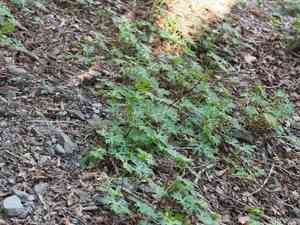
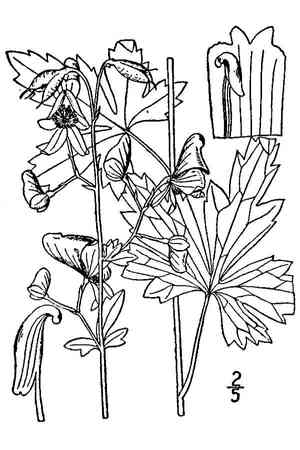
Monkshood, encompassing over 250 species, are herbaceous perennials mainly found in mountainous regions of the Northern Hemisphere. Their dark green leaves are palmate or deeply lobed, typically divided into five to seven segments, each further trilobed with sharp teeth. These leaves are arranged alternately along the stem. The plants produce tall, erect stems adorned with racemes of large, hood-shaped flowers in colors such as blue, purple, white, yellow, or pink, featuring numerous stamens. The fruit is a cluster of dry, many-seeded follicles.
In This Article
Attributes of Monkshood (Aconitum)
Lifespan
Perennial
Plant Height
91 cm to 1.2 m
Spread
30 cm to 45 cm
Leaf Color
Dark green
Flower Size
3 to 5 centimeters (1 to 2 inches)
Flower Color
Blue, purple, white
Images of Monkshood (Aconitum)
Quickly Identify Monkshood (Aconitum)
1
Recognizing Aconitum involves observing its tall, hooded flowers which typically range in color from blue to purple. The leaves are deeply lobed and palmately shaped with a glossy finish.
Scientific Classification of Monkshood (Aconitum)
Phylum
Magnoliophyta
Class
Magnoliopsida
Order
Ranunculales
Family
Ranunculaceae
Genus
Aconitum
Planting and Growing of Monkshood (Aconitum)
Care Difficulty
Moderate
Watering Schedule
Every 2 days
Sunlight Requirements
Partial sun
Sunshine Duration
4-8 hours
Ideal Temperature
60-70℉
Soil Type
Potting Mix, Peat Mix
Soil pH
6.5-7.5
Fertilizer Type
Balanced
Pruning Season
Spring, Summer
Pruning Area
Branches, Leaves
Pruning Frequency
2 times a year
Repotting Season
Spring
Pot Type
Plastic, Ceramic
 How to Water Monkshood (Aconitum)?
When watering Aconitum, ensure that the soil is evenly moist. A general rule of thumb is to provide around 250 ml of water each time. The goal is to keep the soil consistently damp but never waterlogged. This helps mimic their natural habitat, ensuring the roots receive enough moisture for optimal growth while preventing root rot.
What are the symptoms of an underwatered Monkshood (Aconitum)?
›
What should I do if my Monkshood (Aconitum) is not getting enough water?
›
What are the symptoms of an overwatered Monkshood (Aconitum)?
›
How to save an overwatered Monkshood (Aconitum)?
›
 What Are the Sunlight Requirements for Monkshood (Aconitum)?
Aconitum thrives in partial sun to full shade, creating conditions for robust growth. Sufficient light within this range supports strong stems and vibrant flower production, optimizing the plant's natural beauty and vitality.
How much light does Aconitum need?
›
What happens if Aconitum receives too much sunlight?
›
How does ideal lighting benefit Aconitum?
›
 What Is the Ideal Temperature Range for Monkshood (Aconitum)?
The ideal temperature range for Aconitum, commonly known as monkshood, is between 60 and 70 degrees Fahrenheit. This plant thrives in cooler climates typical of its native habitats in mountainous regions. Proper temperature management within this range ensures optimal growth and development.
 What Soil is Best for Monkshood (Aconitum)?
Aconitum thrives in well-drained soil as it prevents root rot, ensuring healthy root development. This allows the plant to efficiently uptake nutrients and water, leading to vigorous growth. The plant prefers consistently moist soil, which helps maintain its lush foliage and promotes flowering. Regular moisture availability is crucial for preventing stress and ensuring vibrant blooms. Ample soil fertility is vital for the development of Aconitum, as it provides essential nutrients that boost growth and enhance the plant's natural resistance to pests and diseases.
 How to Fertilize Monkshood (Aconitum)?
Aconitum, commonly known as monkshood or wolfsbane, benefits from regular but moderate fertilization. In general, about 1/4 to 1/2 strength of a balanced 10-10-10 liquid fertilizer solution is recommended. Over-application can lead to root burn or excessive foliage growth at the expense of flowering.
 How to Prune Monkshood (Aconitum)?
Begin by using a pair of clean, sharp shears. Cut back any dead or damaged stems to maintain the plant’s health. Remove spent flowers to encourage new blooms. Thin out overcrowded areas to improve air circulation. Focus on creating a balanced shape, cutting just above a pair of leaves or stem nodes.
 How to Propagate Monkshood (Aconitum) plant?
1
Begin by filling seed trays with a well-drained seed compost. Sow the aconitum seeds thinly to prevent overcrowding, covering them lightly with compost. Keep the trays in a shaded area and maintain consistent moisture without waterlogging.
2
For division propagation, dig up the mature plant in early spring. Use a sharp gardening knife to divide the root mass into smaller sections, ensuring each section has roots and at least one shoot. Replant these sections immediately in prepared soil.
3
After sowing seeds or planting divisions, water them gently but thoroughly. Ensure the soil remains moist but not waterlogged, especially during the initial weeks, to assist in root establishment and growth.
 How to Repot Monkshood (Aconitum) plant?
1
Repot your Aconitum in early Spring or Autumn when its roots start peeking through the drainage holes or if growth noticeably slows. These signs indicate the plant's need for a roomier habitat to flourish.
2
Opt for a pot slightly larger than the current one, equipped with drainage holes. This ensures proper root space and avoids water logging. Clay pots are ideal, as they allow excess moisture to evaporate, maintaining a healthy balance.
3
Select a well-draining loamy soil mix to prevent root rot. This mix holds enough moisture to nurture the plant but drains quickly to avert waterlogging, promoting healthy root development.
Toxicity
Ingestion, Skin contact
WARNING
The judgment on toxicity and danger is for reference only. We DO NOT GUARANTEE any accuracy of such judgment. Therefore, you SHALL NOT rely on such judgment. It is IMPORTANT TO SEEK PROFESSIONAL ADVICE in advance when necessary.
Learn More About Monkshood (Aconitum) Diseases
Anthracnose
Bacterial Leaf Spot
Bacterial Soft Rot
Bacterial Wilt
Black Spot
Chemical Injury
Crown Gall
Damping-off
Downy Mildew
Drought Stress
Fusarium Wilt
Gray Mold
Leaf Spot
Mosaic
Nutrient Deficiency
Nutrient Toxicity
Powdery Mildew
Root Rot
Root-knot Nematode
Rusts
Sooty Mold
Spider Mites
Temperature Stress
Thrips Damage
White Mold

