
Northern blue monkshood (Aconitum noveboracense)
Also known as: Northern Monkshood
Northern blue monkshood thrives in cool, shaded woodland environments with moist, nutrient-rich soils. This plant is notable for its tall spikes of violet-blue, hood-shaped flowers, reminiscent of a monk's hood. It adds a striking contrast to the greenery with its deeply lobed leaves and upright growth. However, it's important to note that all parts of the plant are highly toxic if consumed.
In This Article
Attributes of Northern blue monkshood
Lifespan
Perennial
Plant Type
Herb
Plant Height
91 cm to 1.8 m
Spread
Typically around 1 to 2 feet
Leaf Color
Green
Flower Size
0.5 to 1 inch
Flower Color
Blue to purple
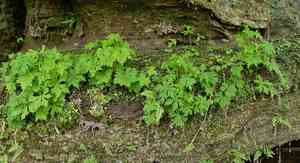
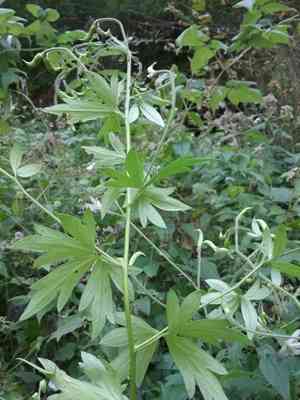
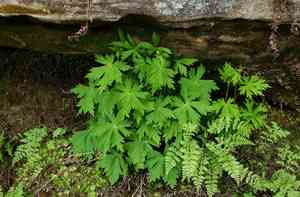
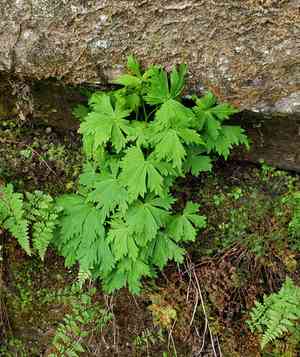
Images of Northern blue monkshood
Quickly Identify Northern blue monkshood
1
Identifying Northern Monkshood involves looking for its unique helmet-shaped, deep blue to purple flowers arranged in a raceme. The plant has deeply lobed leaves and usually grows in cool, shaded environments like rocky ravines and forested areas.
Scientific Classification of Northern blue monkshood
Phylum
Vascular plants
Class
Dicotyledons
Order
Ranunculales
Family
Buttercup
Genus
Monkshood
Species
Northern blue monkshood
Planting and Growing of Northern blue monkshood
Care Difficulty
Moderate
Watering Schedule
Every 4 days
Sunlight Requirements
Partial sun
Sunshine Duration
6-10 hours
Ideal Temperature
60-70℉
Soil Type
Potting Mix, Peat Mix
Soil pH
6.5-7.5
Fertilizer Type
Balanced
Pruning Season
Spring, Summer
Pruning Area
Leaves, Branches
Pruning Frequency
2 times a year
Repotting Season
Spring
Pot Type
Plastic, Ceramic
 How to Water Northern blue monkshood?
When watering Aconitum noveboracense, ensure the soil is moist but not waterlogged. Aim for about 250 milliliters each time, allowing the soil to dry out slightly between waterings. This ensures the roots have good access to air, which is crucial for healthy growth.
What are the symptoms of an underwatered Northern blue monkshood?
›
What should I do if my Northern blue monkshood is not getting enough water?
›
What are the symptoms of an overwatered Northern blue monkshood?
›
How to save an overwatered Northern blue monkshood?
›
 What Are the Sunlight Requirements for Northern blue monkshood?
Partial sun conditions balance light intensity, promoting vigorous growth and thriving foliage. It helps Aconitum noveboracense develop healthily, supporting its natural flowering and feeding cycles.
What kind of light does Aconitum noveboracense need?
›
What solutions can ensure ideal lighting?
›
What are the benefits of ideal lighting conditions?
›
 What Is the Ideal Temperature Range for Northern blue monkshood?
Aconitum noveboracense thrives in moderate climates. To maximize growth, maintain temperatures between 60°F and 70°F. This range allows for optimal enzyme activity and photosynthesis, fostering plant health and vitality. Within this spectrum, the plant can efficiently uptake nutrients and maintain a robust physiological balance.
 What Soil is Best for Northern blue monkshood?
This plant demands soil with excellent moisture retention capabilities. By maintaining an adequate level of moisture, it ensures that the roots remain hydrated, promoting better nutrient uptake and overall health. A soil rich in organic matter is vital for its growth. Nutrient-rich soil provides essential minerals and nutrients, fostering vigorous growth and vibrant blooms. Although it requires moisture, the soil must have good drainage properties. Proper drainage prevents waterlogging, which can lead to root rot and other diseases.
 How to Fertilize Northern blue monkshood?
For Aconitum noveboracense, apply liquid fertilizer at half the recommended strength to avoid any potential damage. Typically, a balanced 10-10-10 or similar all-purpose fertilizer is suitable. Ensure not to over-fertilize as the plant has moderate nutritional needs.
 How to Prune Northern blue monkshood?
Start by using sterilized and sharp pruning shears. Identify any dead, damaged, or weak stems and leaves. Carefully cut them back to the base, ensuring a clean cut to prevent infection. For aesthetic shaping, trim any overgrown branches to maintain the desired form. Always prune form the base to encourage bushier growth.
More About Pruning Techniques→
 How to Propagate Northern blue monkshood plant?
1
Harvest seeds from mature Aconitum plants in late summer or early autumn. Ensure they are fully ripe for better germination rates when sown the following spring.
2
Seeds require a period of cold stratification before sowing. Place them in a dampened growing medium inside a plastic bag and refrigerate for at least 8-10 weeks.
3
In early spring, dig up mature plants and gently separate them into sections with roots attached. Replant immediately to minimize stress and maximize establishment success.
 How to Repot Northern blue monkshood plant?
1
Aconitum noveboracense needs repotting when its roots start growing out of the drainage holes or become visibly crowded at the surface. Repotting is best done in spring or autumn when the plant is semi-dormant, minimizing stress and encouraging healthy growth.
2
Select a pot that is 1-2 inches wider than the current one to provide ample room for growth. Ensure the new pot has sufficient drainage holes to prevent waterlogging, which is crucial for Aconitum's root health and avoiding root rot.
3
Opt for a well-draining potting mix that retains enough moisture without becoming waterlogged. A mix of peat moss, pine bark, and perlite works well. This ensures the roots have enough aeration and reduces the risk of fungal diseases.
Toxicity
Ingestion, Skin Contact
WARNING
The judgment on toxicity and danger is for reference only. We DO NOT GUARANTEE any accuracy of such judgment. Therefore, you SHALL NOT rely on such judgment. It is IMPORTANT TO SEEK PROFESSIONAL ADVICE in advance when necessary.
Learn More About Northern blue monkshood Diseases
Anthracnose
Bacterial Leaf Spot
Bacterial Soft Rot
Bacterial Wilt
Crown Gall
Cyst Nematode
Damping-off
Downy Mildew
Drought Stress
Fusarium Wilt
Gray Mold
Leaf Spot
Mosaic
Nutrient Deficiency
Nutrient Toxicity
Powdery Mildew
Root Rot
Root-knot Nematode
Rusts
Sooty Mold
Spider Mites
Temperature Stress
Thrips Damage
White Mold



