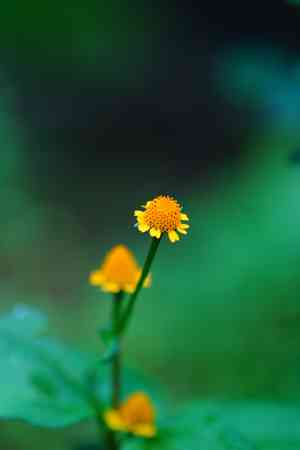
Marsh para cress (Acmella uliginosa)
Also known as: Greater Marshweed, Acmella repens
Marsh para cress (Acmella uliginosa) is part of the Asteraceae family, commonly known as the sunflower family. Its flowers are distinctive with a central cluster of yellow disk florets, encircled by yellow or white ray florets. This plant is known to be invasive in certain areas.
In This Article
Attributes of Marsh para cress
Lifespan
Perennial
Plant Type
Herb
Plant Height
30 cm to 91 cm
Spread
20 - 30 cm
Leaf Color
Green
Flower Size
2.5 cm
Flower Color
Yellow
Images of Marsh para cress
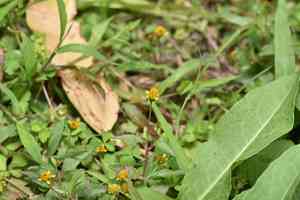
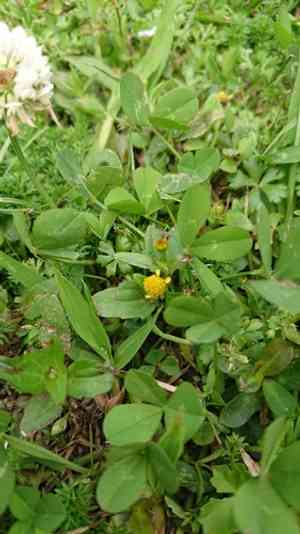
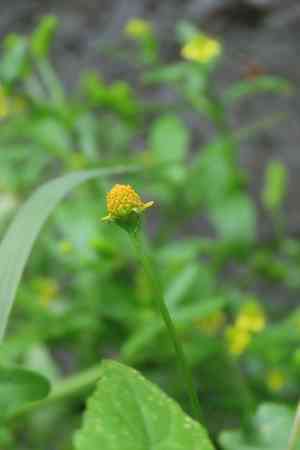
Quickly Identify Marsh para cress
1
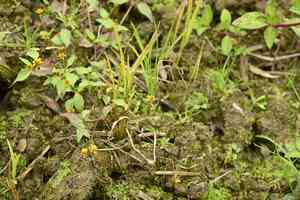
Acmella uliginosa can be identified by its small, yellow, spherical composite flowers, which are often arranged in terminal clusters. The leaves are opposite, simple, and generally have a toothed margin. The plant can be recognized by its tendency to grow in wet, marshy environments.
Scientific Classification of Marsh para cress
Phylum
Vascular plants
Class
Dicotyledons
Order
Asterales
Family
Daisy
Genus
Spotflower
Species
Marsh para cress
Planting and Growing of Marsh para cress
Care Difficulty
Easy
Watering Schedule
Every 8 days
Sunlight Requirements
Full sun
Sunshine Duration
6-10 hours
Ideal Temperature
68-77℉
Soil Type
Potting Mix, Peat Mix
Soil pH
6.5-7.5
Fertilizer Type
Balanced
Pruning Season
Spring, Summer
Pruning Area
Branches, Leaves
Pruning Frequency
2 times a year
Repotting Season
Spring
Pot Type
Plastic, Ceramic
 How to Water Marsh para cress?
Acmella uliginosa requires a sufficient amount of water to thrive, and each watering session should involve approximately 500 milliliters. The key is to soak the soil thoroughly until water begins to drain from the bottom of the pot. This ensures the roots are hydrated without causing waterlogging.
What are the symptoms of an underwatered Marsh para cress?
›
What should I do if my Marsh para cress is not getting enough water?
›
What are the symptoms of an overwatered Marsh para cress?
›
How to save an overwatered Marsh para cress?
›
 What Are the Sunlight Requirements for Marsh para cress?
Acmella uliginosa prospers in full to partial sunlight, benefiting from at least five hours of direct sunlight daily. Such conditions enhance vigor, promote bloom, and sustain foliage health.
What kind of light does Acmella uliginosa prefer?
›
How do you ensure Acmella uliginosa gets its ideal light?
›
Why is proper lighting crucial for Acmella uliginosa?
›
 What Is the Ideal Temperature Range for Marsh para cress?
Acmella uliginosa thrives in warm climates. For optimal growth, keep the temperature between 68°F and 77°F. These conditions mimic the plant’s natural habitat, providing the warmth it requires for active growth and healthy development.
 What Soil is Best for Marsh para cress?
Acmella uliginosa thrives in soil that provides excellent drainage. Ensuring water doesn't pool around the roots can prevent root rot and promote healthy growth. This plant flourishes in loamy soil enriched with organic compost, providing it with essential nutrients for robust foliage and vibrant flowers. Consistent soil moisture is crucial; therefore, sandy loam that retains good moisture without being waterlogged is ideal for Acmella uliginosa's growth.
 How to Fertilize Marsh para cress?
Acmella uliginosa thrives when provided with moderate nutrient levels. For liquid fertilizers, dilute a balanced 10-10-10 NPK solution at half strength. Apply approximately 200 ml per plant, ensuring thorough coverage of the soil surface. For slow-release fertilizers, use a product that provides continuous nutrition, ensuring it isn’t too concentrated to avoid root damage.
 How to Prune Marsh para cress?
Use clean, sharp pruning shears to make cuts. This ensures that you make clean incisions that minimize plant stress and reduce the risk of infection. Dull tools can tear plant tissue, making it harder for the plant to heal. When pruning, aim to make your cuts just above a leaf node. This encourages new growth at these nodes, leading to a fuller and bushier plant. Avoid leaving stubs, as they can become entry points for diseases, and don't remove more than one-third of the plant at once to avoid shock.
 How to Propagate Marsh para cress plant?
1
Use a well-draining potting mix to fill your seed tray or pots. The soil should be kept moist but not waterlogged to avoid seed or cutting rot.
2
Sow the seeds on the soil surface and cover them lightly. The seeds of Acmella uliginosa require light for germination, so do not bury them too deeply.
3
Select healthy, non-flowering stems about 4-6 inches long. Cut just below a node, remove the lower leaves, and place them in a rooting hormone before inserting into the potting mix.
 How to Repot Marsh para cress plant?
1
Repot Acmella uliginosa when roots appear to outgrow the container or begin circling the pot. This is a sign that the plant needs more space to grow. If the soil becomes compacted with poor drainage, it's time for a change.
2
Select a pot that is only a couple of inches larger in diameter than the current one, with drainage holes. A slightly bigger pot encourages root development without leading to water retention issues, which can cause root rot.
3
Opt for a well-draining rich loam that is slightly acidic. This ensures adequate aeration and moisture retention, vital for healthy growth and robust flowering of Acmella uliginosa.
Learn More About Marsh para cress Diseases
Anthracnose
Bacterial Leaf Spot
Bacterial Soft Rot
Bacterial Wilt
Chemical Injury
Damping-off
Downy Mildew
Drought Stress
Fusarium Wilt
Gray Mold
Leaf Spot
Mosaic
Nutrient Deficiency
Nutrient Toxicity
Powdery Mildew
Root Rot
Root-knot Nematode
Rusts
Sooty Mold
Spider Mites
Temperature Stress
Thrips Damage
White Mold



