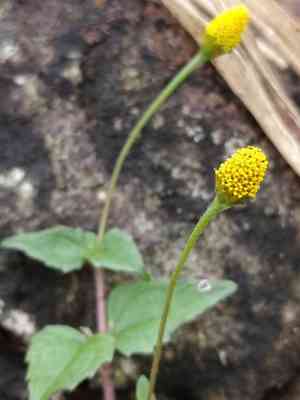
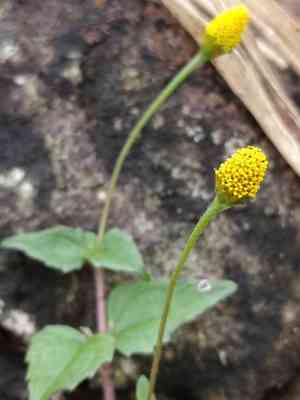
Spilanthes paniculata (Acmella paniculata)
Also known as: Spilanthes paniculata, Acmella oleracea
Spilanthes paniculata, also known as Acmella paniculata, is a tropical plant that resembles Acmella oleracea but features smaller flowers and leaves. It is commonly utilized in the commercial production of body care products for its beneficial properties.
In This Article
Attributes of Spilanthes paniculata
Lifespan
Annual, Perennial
Plant Type
Herb
Plant Height
15 cm to 80 cm
Spread
30-60 cm
Leaf Color
Green
Flower Size
7 mm to 8 mm
Flower Color
Yellow Red Brown Orange
Images of Spilanthes paniculata
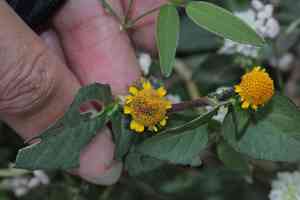
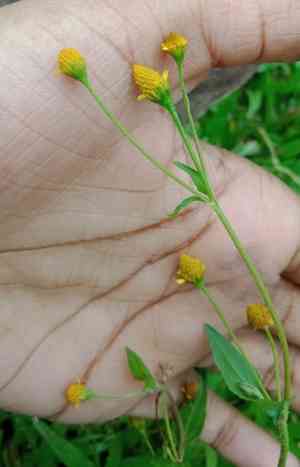
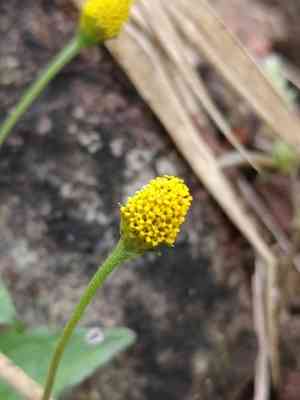
Quickly Identify Spilanthes paniculata
1
Acmella paniculata can be identified by its yellow, button-shaped flowers which are produced in clusters. The leaves are simple, ovate, and usually have a glossy appearance. The plant has a distinctive pungent taste when the leaves or flowers are chewed.
Scientific Classification of Spilanthes paniculata
Phylum
Vascular plants
Class
Dicotyledons
Order
Asters bellflowers fanflowers and allies
Family
Daisy
Genus
Spotflower
Species
Spilanthes paniculata
Planting and Growing of Spilanthes paniculata
Care Difficulty
Easy
Watering Schedule
Every 3 days
Sunlight Requirements
Partial sun
Sunshine Duration
6-10 hours
Ideal Temperature
68-77℉
Soil Type
Potting Mix, Peat Mix
Soil pH
6.5-7.5
Fertilizer Type
Balanced
Pruning Season
Spring, Summer
Pruning Area
Branches, Leaves
Pruning Frequency
2 times a year
Repotting Season
Spring
Pot Type
Plastic, Ceramic
 How to Water Spilanthes paniculata?
Acmella paniculata thrives with a moderate watering routine. Ensure the soil is consistently moist but not waterlogged. You should aim for 250 ml of water per session, allowing excess water to drain away completely. This will prevent root rot and other water-related issues.
What are the symptoms of an underwatered Spilanthes paniculata?
›
What should I do if my Spilanthes paniculata is not getting enough water?
›
What are the symptoms of an overwatered Spilanthes paniculata?
›
How to save an overwatered Spilanthes paniculata?
›
 What Are the Sunlight Requirements for Spilanthes paniculata?
Partial to full sunlight within 4 to 6 hours daily is ideal. This range fosters strong stem growth, vibrant foliage, and encourages a robust blooming cycle crucial for its ornamental and medicinal value.
More About Sunlight Requirements Techniques→
What kind of sunlight does Acmella paniculata require?
›
How can you achieve ideal lighting for Acmella paniculata?
›
What are the benefits of ideal lighting for Acmella paniculata?
›
 What Is the Ideal Temperature Range for Spilanthes paniculata?
Acmella paniculata thrives best in temperatures ranging from 68°F to 77°F. These conditions mimic its native tropical habitat, promoting optimal growth and vibrant flowering. Maintaining this range ensures that the plant's physiological processes function efficiently.
 What Soil is Best for Spilanthes paniculata?
Acmella paniculata thrives best in well-draining soils, which prevent waterlogging and root rot. This type of soil ensures optimal air circulation around the roots, promoting robust growth and health. Rich, loamy soils provide essential nutrients for Acmella paniculata, fostering vigorous leaf and flower development. These nutrients are vital for vibrant blooming and overall plant vitality. The preferred soil should maintain moderate moisture, preventing the roots from drying out while avoiding water saturation. Balancing moisture supports consistent growth and prolongs the flowering period.
 How to Fertilize Spilanthes paniculata?
For Acmella paniculata, the recommended amount of liquid fertilizer is about 1/4 strength of a standard houseplant fertilizer solution. It should be enough to lightly drench the soil without causing runoff, ensuring nutrients are available without risk of over-saturation.
 How to Prune Spilanthes paniculata?
For optimal growth, plan to prune Acmella paniculata once a month. This helps in shaping the plant and removing any unsightly stems that may hinder air circulation. During the growing seasons of spring and summer, prioritize vigorous pruning to promote lush growth. As autumn approaches, reduce frequency to help the plant conserve energy for the colder months. Focus on pinching off the tips of new growth to encourage bushiness. This technique helps the plant to develop a fuller look and supports more prolific blooming.
More About Pruning Techniques→
 How to Propagate Spilanthes paniculata plant?
1
Gather ripe seeds from the parent plant when they have turned brown and start to split open. Store them in a cool, dry place until sowing.
2
Select a healthy stem with several nodes and leaves for cutting. Cut the stem at an angle to increase the rooting area and dip it in rooting hormone for faster growth.
3
Sow seeds in soil lightly and cover them with a thin layer of soil. For cuttings, insert the cut end into a pot filled with damp soil or a rooting medium.
 How to Repot Spilanthes paniculata plant?
1
Look for signs like roots emerging from drainage holes, stunted growth, or soil drying out too quickly. These indicate that your Acmella paniculata may be pot-bound and in need of repotting. Ideally, perform this task in spring or summer when the plant is in its growing phase.
2
Select a pot that is 1-2 inches larger in diameter than the current one. Ensure it has drainage holes to prevent waterlogging, which can lead to root rot. A slightly larger pot will provide ample space for root expansion, promoting healthy and vigorous growth.
3
Opt for a well-draining, loamy soil mixture. This ensures that the plant's roots can receive adequate air circulation while retaining enough moisture. A good balance of peat, perlite, and rich organic matter will benefit the overall health of your Acmella paniculata.
Learn More About Spilanthes paniculata Diseases
Anthracnose
Bacterial Leaf Spot
Bacterial Wilt
Chemical Injury
Damping-off
Downy Mildew
Drought Stress
Fusarium Wilt
Gray Mold
Leaf Curl
Leaf Spot
Mosaic
Nutrient Deficiency
Nutrient Toxicity
Powdery Mildew
Root Rot
Root-knot Nematode
Rusts
Sooty Mold
Spider Mites
Temperature Stress
Thrips Damage
White Mold



