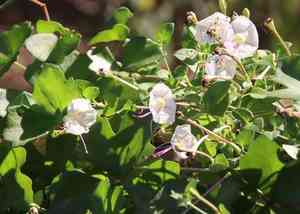
Berlandier's trumpets (Acleisanthes obtusa)
Also known as: none
Berlandier's trumpets (Acleisanthes longiflora) are well-suited to arid environments due to several distinctive traits and adaptations. This perennial herb features trumpet-shaped flowers that open at night, which helps reduce water loss by avoiding the harsh daytime heat. The flowers often exhibit a soft yellow to pale pink color transition.
Key adaptations include:
1. **Narrow, Lanceolate Leaves**: These leaves have a reduced surface area, minimizing water loss through transpiration.
2. **Sprawling Stems**: The plant's sprawling growth habit helps it cover more ground and access more resources.
3. **Velvety Leaf Texture**: The leaves are covered in fine hairs, which help reduce water loss and reflect sunlight.
4. **Unique Floral Scent**: The scent attracts nocturnal pollinators, ensuring reproductive success in a challenging environment.
These features collectively enable Berlandier's trumpets to conserve water and thrive in arid conditions.
Attributes of Berlandier's trumpets
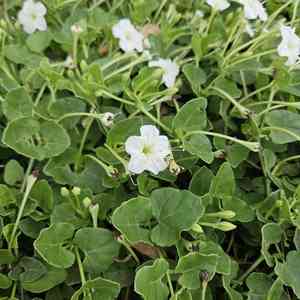
Images of Berlandier's trumpets
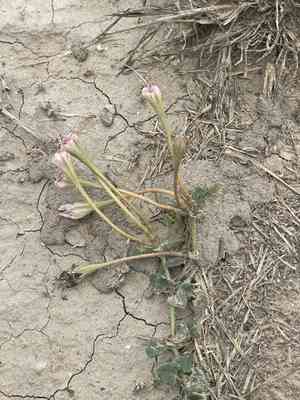
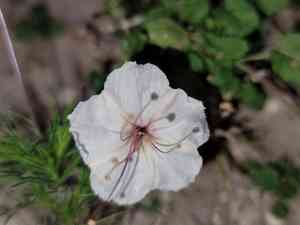
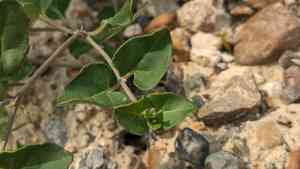
 How to Water Berlandier's trumpets?
  What Are the Sunlight Requirements for Berlandier's trumpets?
  What Is the Ideal Temperature Range for Berlandier's trumpets?
  What Soil is Best for Berlandier's trumpets?
  How to Fertilize Berlandier's trumpets?
  How to Prune Berlandier's trumpets?
  How to Propagate Berlandier's trumpets plant?
 How to Repot Berlandier's trumpets plant?



