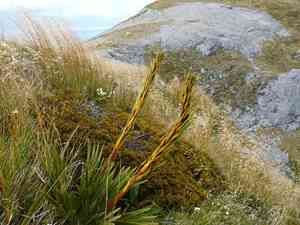
Fierce spaniard (Aciphylla ferox)
Also known as: Fierce speargrass
The Fierce Spaniard (Aciphylla squarrosa) is a hardy plant well-suited to alpine terrains. It features tough, needle-like leaves that form dense rosettes, providing protection from herbivores and minimizing water loss. The silvery, spiky leaves are an effective barrier against harsh conditions. Its deep roots stabilize the plant in rocky soil and help it tap into deep moisture reserves. The plant's tall flowering stalks rise above the rosettes, showcasing its resilience in the challenging mountain environment. These adaptations ensure the Fierce Spaniard thrives in its rugged, alpine habitat.
In This Article
Attributes of Fierce spaniard
Lifespan
Perennial
Plant Type
Herb
Plant Height
0.3-2 meters
Spread
Approximately 1 meter
Leaf Color
Green to bluish-green
Flower Size
Small, usually less than 1 cm
Flower Color
Yellowish
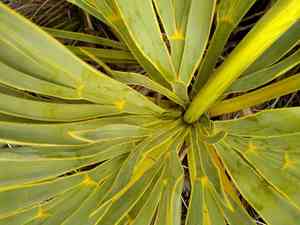
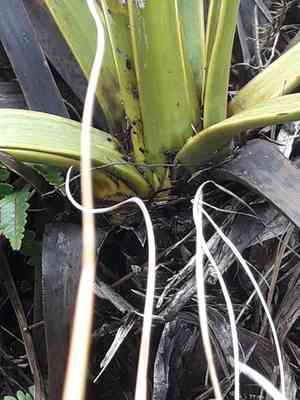
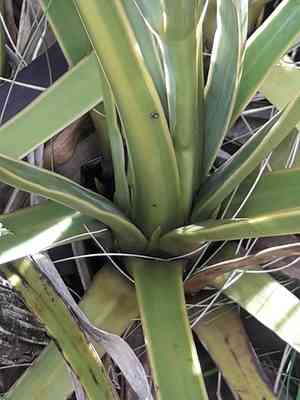
Images of Fierce spaniard
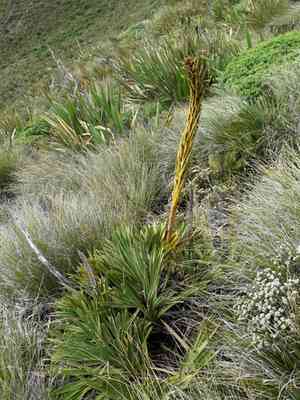
Quickly Identify Fierce spaniard
1
Identify Aciphylla ferox by its long, narrow, and very spiny leaves that form a dense rosette. The plant produces tall flower spikes with small yellowish flowers.
Scientific Classification of Fierce spaniard
Phylum
Vascular plants
Class
Dicotyledons
Order
Apiales
Family
Umbellifers
Genus
Spaniard grass
Species
Fierce spaniard
Planting and Growing of Fierce spaniard
Care Difficulty
Moderate
Watering Schedule
Every day
Sunlight Requirements
Partial sun
Sunshine Duration
6-10 hours
Ideal Temperature
50-77℉
Soil Type
Potting Mix, Peat Mix
Soil pH
6.5-7.5
Fertilizer Type
Balanced
Pruning Season
Spring, Summer
Pruning Area
Branches, Leaves
Pruning Frequency
2 times a year
Repotting Season
Spring
Pot Type
Plastic, Ceramic
 How to Water Fierce spaniard?
Aciphylla ferox requires careful watering to avoid root rot. Watering should ensure the soil is moist but not waterlogged. A moderate amount, like 250ml, is generally sufficient to soak the soil adequately without causing excess moisture.
What are the symptoms of an underwatered Fierce spaniard?
›
What should I do if my Fierce spaniard is not getting enough water?
›
What are the symptoms of an overwatered Fierce spaniard?
›
How to save an overwatered Fierce spaniard?
›
 What Are the Sunlight Requirements for Fierce spaniard?
Aciphylla ferox enjoys a light range from partial sun to full sun depending on climate conditions. Maintaining this range promotes optimal health, enabling efficient photosynthesis and sturdy plant structure development.
What is the best lighting condition for Aciphylla ferox?
›
How can I achieve the ideal lighting condition for my plant?
›
What benefits does ideal lighting bring to Aciphylla ferox?
›
 What Is the Ideal Temperature Range for Fierce spaniard?
The ideal temperature range for Aciphylla ferox is between 50℉ and 77℉. This range supports optimal growth and development, ensuring that the plant can thrive. Keeping the plant within this range helps to mimic its natural habitat conditions, promoting healthy foliage and flowering.
 What Soil is Best for Fierce spaniard?
Aciphylla ferox thrives best in well-draining soil to prevent waterlogging, which can lead to root rot. A well-draining environment ensures that the roots receive adequate oxygen, promoting healthy growth. The plant benefits from a nutrient-rich soil composition, which provides essential minerals for growth and enhances its resilience against pests and diseases. Maintaining moderate soil moisture levels without excess dampness supports Aciphylla ferox's growth. It ensures the plant stays hydrated, yet reduces the risk of fungal infections.
 How to Fertilize Fierce spaniard?
Aciphylla ferox requires a moderate amount of fertilizer to thrive. When applying liquid fertilizer, use a balanced formula diluted to half-strength to prevent overfeeding. A typical rate is about 5 ml of liquid fertilizer per liter of water. For slow-release fertilizer, apply 50 grams of granular feed around the base of the plant, evenly distributed to avoid concentration in any one area.
 How to Prune Fierce spaniard?
Aciphylla ferox forms older leaves that can become discolored or damaged. Trim these leaves at their base to improve the plant's appearance and direct resources to new growth, enhancing overall vitality. To prevent the spread of disease, disinfect your pruning tools between cuts, especially if dealing with unhealthy or infected parts of the plant. This practice is crucial for maintaining plant health.
More About Pruning Techniques→
 How to Propagate Fierce spaniard plant?
1
Fill a seed tray with a well-draining potting mix. Scatter Aciphylla ferox seeds thinly over the surface, and cover them lightly with a thin layer of soil to keep them in place.
2
Gently water the seeds using a fine mist. Avoid overwatering as it can lead to rot. Ensuring adequate moisture is critical for germination to occur.
3
Place the seed tray in a warm, well-lit location. Aciphylla ferox seeds require adequate sunlight to trigger germination, but avoid direct harsh sunlight that can scorch the seedlings.
 How to Repot Fierce spaniard plant?
1
You should consider repotting your Aciphylla ferox when you notice that the plant's roots are starting to grow out of the drainage holes or when the growth has significantly slowed down, indicating that it may be root-bound. Another sign is when the soil dries out very quickly after watering.
2
Select a pot that is 1-2 inches larger in diameter than the current one. The pot should have drainage holes to prevent waterlogging, which can cause root rot. A slightly heavier pot can help balance the plant's sharp, spiky growth, preventing it from toppling over.
3
Aciphylla ferox prefers a well-draining sandy loam. This type of soil provides good drainage to prevent water accumulation and allows air to reach the roots, promoting healthy growth and preventing diseases.
Learn More About Fierce spaniard Diseases
Anthracnose
Bacterial Leaf Spot
Bacterial Soft Rot
Bacterial Wilt
Black Spot
Chemical Injury
Crown Gall
Cyst Nematode
Damping-off
Downy Mildew
Drought Stress
Fusarium Wilt
Gray Mold
Leaf Curl
Leaf Spot
Mosaic
Nutrient Deficiency
Nutrient Toxicity
Powdery Mildew
Root Rot
Root-knot Nematode
Rusts
Sooty Mold
Spider Mites
Temperature Stress
Thrips Damage
White Mold



