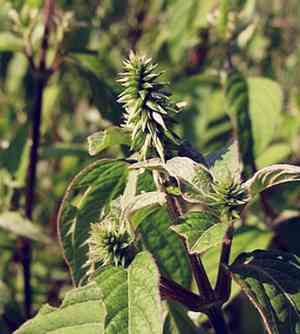
Japanese chaff flower (Achyranthes japonica)
Also known as: Japanese Chaff Flower, Oriental Chaff Flower
Achyranthes japonica, also known as the Japanese chaff flower or Oriental chaff flower, is a perennial plant in the Amaranthaceae family. Predominantly found along roadsides, this species is mainly distributed in Korea and Japan.
In This Article
Attributes of Japanese chaff flower
Lifespan
Perennial
Plant Type
Herb
Plant Height
50 cm to 1 m
Spread
Not applicable
Leaf Color
Green
Flower Size
2 cm to 21 cm
Flower Color
Green
Images of Japanese chaff flower
Quickly Identify Japanese chaff flower
1
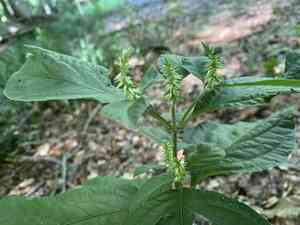
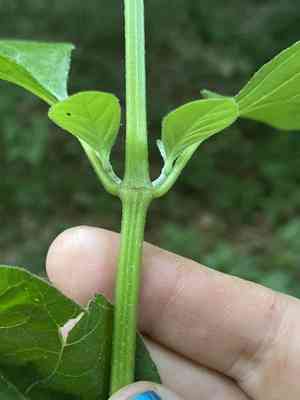
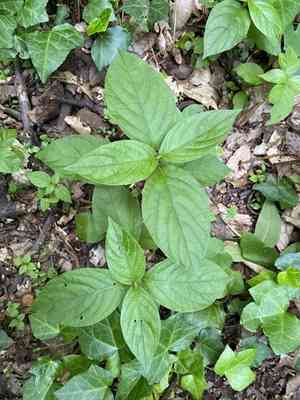
Achyranthes japonica can be identified by its opposite, oblong-lanceolate leaves with a slightly serrated edge. The plant has greenish or brownish inflorescences arranged in elongated spikes.
Scientific Classification of Japanese chaff flower
Phylum
Vascular plants
Class
Dicotyledons
Order
Pinks, cacti, and allies
Family
Amaranth
Genus
Chaff flowers
Species
Japanese chaff flower
Planting and Growing of Japanese chaff flower
Care Difficulty
Moderate
Watering Schedule
Every 4 days
Sunlight Requirements
Partial sun
Sunshine Duration
6-10 hours
Ideal Temperature
60-75℉
Soil Type
Potting Mix, Peat Mix
Soil pH
6-7.5
Fertilizer Type
Balanced
Pruning Season
Spring, Summer
Pruning Area
Branches, Leaves
Pruning Frequency
2 times a year
Repotting Season
Spring
Pot Type
Plastic, Ceramic
 How to Water Japanese chaff flower?
Achyranthes japonica prefers to have its soil moderately moist. A good rule of thumb is to water thoroughly until you see water dripping from the drainage holes of the pot. This generally requires about 250 ml of water each time.
What are the symptoms of an underwatered Japanese chaff flower?
›
What should I do if my Japanese chaff flower is not getting enough water?
›
What are the symptoms of an overwatered Japanese chaff flower?
›
How to save an overwatered Japanese chaff flower?
›
 What Are the Sunlight Requirements for Japanese chaff flower?
Achyranthes japonica thrives in partial sun, receiving about 4 to 6 hours of light daily. This balance facilitates healthy growth, vibrant leaves, and sufficient energy for photosynthesis without the risk of damage from too much direct sunlight.
Sunlight Duration
›
Filtered Light
›
Morning Sunlight
›
 What Is the Ideal Temperature Range for Japanese chaff flower?
Achyranthes japonica thrives best between 60°F and 75°F. This temperature range provides an optimal environment for growth and photosynthesis, ensuring the plant maintains its vibrant color and overall health.
 What Soil is Best for Japanese chaff flower?
Achyranthes japonica thrives best in well-drained soil. Proper drainage prevents root rot and ensures that nutrients are efficiently absorbed, promoting healthy growth. This plant enjoys soils rich in organic matter. The nutrients provide essential sustenance for robust leaf and stem development, boosting the overall health. The soil should retain moisture without becoming waterlogged. Balanced moisture helps in maintaining plant vigor during dry periods, ensuring consistent growth.
 How to Fertilize Japanese chaff flower?
Proper fertilization of Achyranthes japonica requires you to be mindful of its moderate nutrient needs. Apply liquid fertilizer at half the recommended strength to avoid overfeeding. Use no more than a quarter cup per application to give optimal growth without risking the health of the plant. Adjust according to the plant’s growth phase, preferring lighter feeding during dormant periods.
 How to Prune Japanese chaff flower?
Regularly pinch back the tips of the plant to maintain a bushy form. Remove dead or wilted flowers to encourage new blooms. This simple maintenance helps direct the plant's energy towards producing vibrant new growth. Trim back any stems that have grown too long or are disrupting the desired shape of the plant. Aim to cut just above a node or leaf set to promote further branching. This approach helps the plant maintain a neat appearance.
 How to Propagate Japanese chaff flower plant?
1
Start by preparing the seeds by soaking them in lukewarm water for 24 hours. This step helps soften the seed coat, encouraging faster germination. Ensure the water is changed regularly to maintain freshness and prevent microbial growth.
2
Sow the seeds in a well-draining potting mix, lightly covering them with soil. Maintain a constant moisture level and place them in a warm, bright location. Germination typically occurs within 2-4 weeks, depending on temperature and humidity.
3
Select healthy, pest-free stems of 4-6 inches in length for cuttings. Remove the lower leaves and dip the cut end in rooting hormone before placing it into a moistened potting mix. Keep the cuttings in indirect sunlight and maintain humidity to promote root growth.
 How to Repot Japanese chaff flower plant?
1
Look for signs such as roots emerging from the drainage holes, soil drying out rapidly, or slow growth. These indicate that your Achyranthes japonica needs more space and nourishment, signaling it's time to switch to a larger pot and fresh soil.
2
Select a pot that is 1-2 inches bigger in diameter than the current one. Ensure it has good drainage holes to prevent waterlogging. A slightly larger pot gives the plant room to grow while minimizing the risk of root rot due to excessive moisture.
3
Opt for a well-draining potting mix that retains some moisture but does not become waterlogged. This type of soil ensures the roots receive adequate air circulation, essential for healthy root development and preventing diseases.
Learn More About Japanese chaff flower Diseases
Anthracnose
Bacterial Leaf Spot
Bacterial Soft Rot
Bacterial Wilt
Black Spot
Chemical Injury
Crown Gall
Cyst Nematode
Damping-off
Downy Mildew
Drought Stress
Fusarium Wilt
Gray Mold
Leaf Curl
Leaf Spot
Mosaic
Nutrient Deficiency
Nutrient Toxicity
Powdery Mildew
Root Rot
Root-knot Nematode
Rusts
Sooty Mold
Spider Mites
Temperature Stress
Thrips Damage
White Mold



