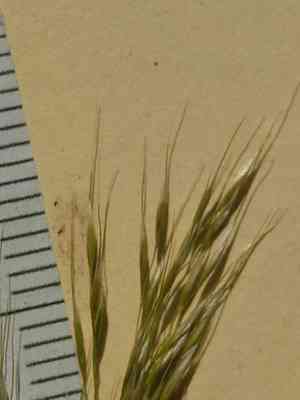
Silber rauhgras (Achnatherum calamagrostis)
Also known as: Needlegrass, Stipa calamgrostis
Achnatherum calamagrostis, also known as Stipa calamagrostis, is a grass species commonly referred to as spear grass, needle grass, or silver spike grass. This ornamental grass is indigenous to mountain clearings in central and southern Europe and forms mounds of blue-green foliage topped with long, silvery plumes.
In This Article
Attributes of Silber rauhgras
Lifespan
Perennial
Plant Type
Grass
Plant Height
1 m
Spread
1 m
Leaf Color
Green
Flower Size
Information not readily available
Flower Color
Green Brown Gray Silver
Images of Silber rauhgras
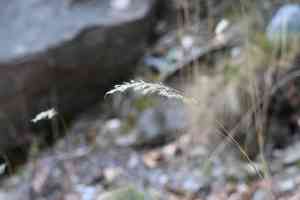
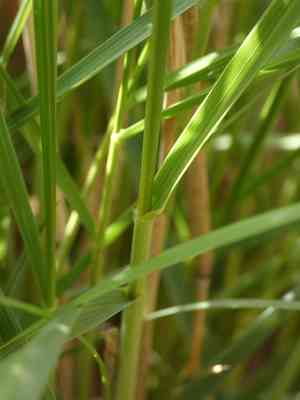

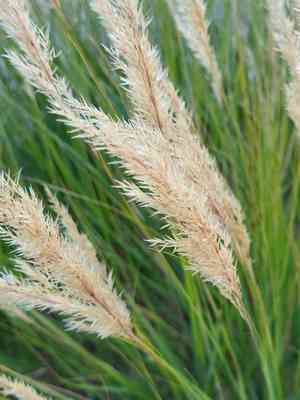
Quickly Identify Silber rauhgras
1
The plant can be identified by its tall, wispy stems, which can grow up to 3-4 feet tall. Its flower spikes are delicate and feathery, typically turning from green to a golden hue as they mature. The leaves are narrow and often rolled inwards.
Scientific Classification of Silber rauhgras
Phylum
Vascular plants
Class
Monocotyledons
Order
Poales
Family
Grass
Genus
Achnatherum
Species
Silber rauhgras
Planting and Growing of Silber rauhgras
Care Difficulty
Easy
Watering Schedule
Every 2 days
Sunlight Requirements
Full sun
Sunshine Duration
6-10 hours
Ideal Temperature
65-75℉
Soil Type
Potting Mix, Peat Mix
Soil pH
6.5-7.5
Fertilizer Type
Balanced
Pruning Season
Spring, Summer
Pruning Area
Branches, Leaves
Pruning Frequency
2 times a year
Repotting Season
Spring
Pot Type
Plastic, Ceramic
 How to Water Silber rauhgras?
For Achnatherum calamagrostis, it's essential to provide just enough water to moisten the root zone thoroughly, but not to create soggy conditions. Typically, this plant benefits from 500 ml of water per session, allowing the soil to dry out between waterings. The goal is to mimic its natural environment where rainfall is infrequent but adequate to support growth.
What are the symptoms of an underwatered Silber rauhgras?
›
What should I do if my Silber rauhgras is not getting enough water?
›
What are the symptoms of an overwatered Silber rauhgras?
›
How to save an overwatered Silber rauhgras?
›
 What Are the Sunlight Requirements for Silber rauhgras?
Achnatherum calamagrostis prefers partial to full sun conditions. Within this range, it absorbs optimal sunlight for robust growth and minimal stress, enhancing both its decorative appearance and resistance.
How much light is optimal?
›
Where should I position my plant?
›
What time of day is best for exposure?
›
 What Is the Ideal Temperature Range for Silber rauhgras?
For Achnatherum calamagrostis, the ideal temperature range is between 65°F and 75°F. This range provides a comfortable environment that supports optimal growth and health, allowing the plant to thrive and maintain its aesthetic appeal. Adequate warmth in this range aids in the metabolic processes and helps in sustaining a healthy growth cycle.
 What Soil is Best for Silber rauhgras?
Achnatherum calamagrostis thrives in well-draining soil, preventing waterlogging that can lead to root rot. This type of soil ensures adequate oxygen reaches the roots, promoting strong growth and resilience against diseases. The plant requires moderately fertile soil to support its growth. Nutritious soil provides essential nutrients that help the plant maintain vibrant foliage and robust health. The optimal pH range between 6.5 and 7.5 helps in the efficient uptake of nutrients, ensuring the plant's metabolic processes function smoothly for flourishing growth.
 How to Fertilize Silber rauhgras?
Achnatherum calamagrostis benefits from a balanced fertilization approach. For liquid fertilizers, use a half-strength, balanced mix, typically 10-10-10 or 20-20-20, applying approximately 250 ml per plant to avoid over-fertilization.
 How to Prune Silber rauhgras?
At the beginning of each pruning season, trim back the old and dead grass blades, which can help invigorate the plant and encourage new growth. Cut them down to about a third of their height. Regularly trim around the perimeter of the plant to maintain its natural, rounded shape. This encourages a more even growth pattern and prevents the grass from spreading unevenly.
More About Pruning Techniques→
 How to Propagate Silber rauhgras plant?
1
Harvest seeds from mature Achnatherum calamagrostis plants when the seed heads are dry. Ensure seeds are collected before they disperse naturally.
2
Prepare a well-draining soil mix to allow proper aeration and moisture retention for seed and division propagation. An equal mix of sand and potting soil works well.
3
Plant seeds in seedling trays, ensuring they are lightly covered with soil. Maintain consistent moisture levels and place trays in a sunny, sheltered location.
 How to Repot Silber rauhgras plant?
1
Achnatherum calamagrostis will signal its need for repotting when its roots begin to grow through the drainage holes or the plant's growth appears stunted. This is usually noticeable in spring or autumn, when the plant naturally grows more vigorously. Choosing these times leverages the plant's growth period, aiding a smoother transition into the new pot.
2
Choose a pot that is 1-2 inches larger in diameter than the current one. The pot should have ample drainage holes to prevent waterlogging, facilitating a healthy root system. A slightly roomier container encourages root expansion and healthier plant growth, reducing stress during the changing environment of repotting.
3
Opt for a well-draining sandy loam soil. This type of soil prevents water accumulation at the roots, which can lead to rot. Its composition encourages adequate aeration, allowing roots to breathe and grow more robustly. This type of soil mirrors the plant's native environment, offering better adaptability post-repotting.
Learn More About Silber rauhgras Diseases
Anthracnose
Bacterial Leaf Spot
Bacterial Wilt
Black Spot
Chemical Injury
Cyst Nematode
Damping-off
Downy Mildew
Drought Stress
Fusarium Wilt
Gray Mold
Leaf Spot
Mosaic
Nutrient Deficiency
Nutrient Toxicity
Powdery Mildew
Root Rot
Root-knot Nematode
Rusts
Sooty Mold
Spider Mites
Temperature Stress
Thrips Damage
White Mold



