
Cream flowered sneezewort (Achillea odorata)
Also known as: Scented Yarrow, Odorous Milfoil
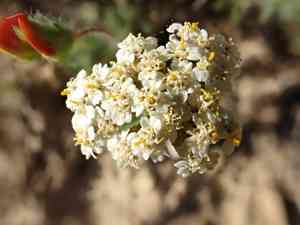
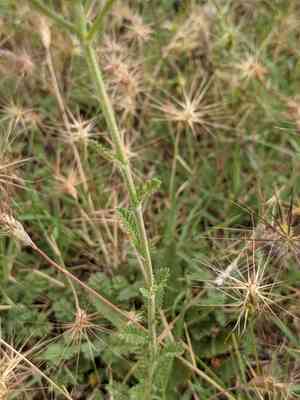
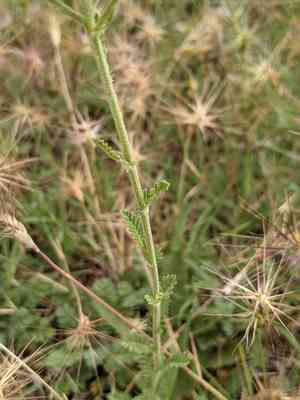
A perennial, aromatic plant reaching up to 50 cm tall, featuring simple, upright, slightly ascending stems with numerous non-flowering stems at the base. The leaves have short, dense, glandular-dotted hairs; the lower leaves are long and divided, while the middle and upper leaves, less than 8 mm wide, are also divided.
In This Article
Attributes of Cream flowered sneezewort
Lifespan
Perennial
Plant Type
Herb
Plant Height
30-60 cm
Spread
20-30 cm
Leaf Color
Green, greyish-green
Flower Size
0.4-0.6 cm
Flower Color
White Yellow Pink
Images of Cream flowered sneezewort
Quickly Identify Cream flowered sneezewort
1
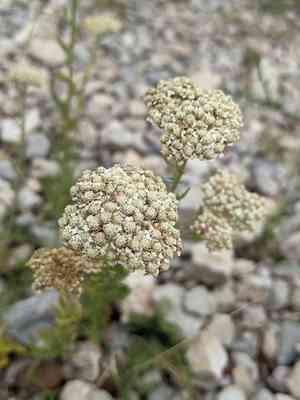
Identifying Achillea odorata involves looking for its finely dissected, aromatic leaves and flat-topped clusters of small white or pale yellow flowers. The plant typically has a hairy stem and can be found in dry, sunny locations.
Scientific Classification of Cream flowered sneezewort
Phylum
Vascular plants
Class
Dicotyledons
Order
Asterales
Family
Daisy
Genus
Yarrows
Species
Cream flowered sneezewort
Planting and Growing of Cream flowered sneezewort
Care Difficulty
Easy
Watering Schedule
Every 2 days
Sunlight Requirements
Full sun
Sunshine Duration
6-10 hours
Ideal Temperature
60-75℉
Soil Type
Potting Mix, Peat Mix
Soil pH
6.5-7.5
Fertilizer Type
Balanced
Pruning Season
Spring, Summer
Pruning Area
Branches, Leaves
Pruning Frequency
2 times a year
Repotting Season
Spring
Pot Type
Plastic, Ceramic
 How to Water Cream flowered sneezewort?
Achillea odorata prefers moderate watering. You should aim to provide around 250 milliliters of water each time, ensuring the topsoil is moist but not soggy. This species thrives when the soil is allowed to dry out slightly between waterings. Make sure the water reaches approximately a depth of one inch below the surface, encouraging deeper root growth without risk of waterlogging.
What are the symptoms of an underwatered Cream flowered sneezewort?
›
What should I do if my Cream flowered sneezewort is not getting enough water?
›
What are the symptoms of an overwatered Cream flowered sneezewort?
›
How to save an overwatered Cream flowered sneezewort?
›
 What Are the Sunlight Requirements for Cream flowered sneezewort?
Achillea odorata favors full sun to partial sun, making a sunny location ideal. Optimal light encourages vibrant blooms and ensures plant resilience by providing necessary energy for growth and development.
Optimal Lighting Level
›
Solution for Ideal Light
›
Benefits of Ideal Light
›
 What Is the Ideal Temperature Range for Cream flowered sneezewort?
For the optimal growth of Achillea odorata, a temperature range of 60 to 75 degrees Fahrenheit is ideal. This range ensures that the plant can metabolize effectively, promoting healthy leaf and flower development. Maintaining this temperature range will support robust growth and enhance the plant's aromatic properties.
 What Soil is Best for Cream flowered sneezewort?
Achillea odorata thrives in well-drained soil that allows excess water to escape easily, preventing root rot. Such soil structure ensures the plant receives ample oxygen, promoting healthier root development and vigorous growth. While Achillea odorata can tolerate poor soils, incorporating organic matter like compost enhances fertility, supporting robust foliage and prolonged blooming. Nutrient-rich soil provides the necessary minerals for optimal plant health. With the ability to tolerate slightly alkaline conditions, Achillea odorata can flourish in calcareous soils. This flexibility in pH preference ensures the plant can utilize nutrients effectively, reducing the risk of nutritional deficiencies.
 How to Fertilize Cream flowered sneezewort?
Achillea odorata thrives with moderate fertilization practices, requiring balanced nutrients without overloading. For liquid fertilizer, use a diluted solution with an NPK ratio of 10-10-10, applying approximately 100 ml per plant each session.
 How to Prune Cream flowered sneezewort?
Begin by examining your Achillea odorata for any spent flowers and stems that appear dead or diseased. Using your shears, clip these back to the main stem or ground level to prevent energy wastage. To maintain a tidy appearance, trim back overgrown sections, keeping the plant's shape in mind. This helps the plant focus its energy on producing fresh blooms and foliage throughout the season.
More About Pruning Techniques→
 How to Propagate Cream flowered sneezewort plant?
1
Prepare a seed tray with a mixture of peat and sand. Sow the Achillea odorata seeds gently on the surface and cover with a thin layer of vermiculite. Keep the medium moist but not waterlogged to facilitate germination.
2
Choose healthy non-flowering stems and cut them just below a node, about 4-6 inches long. Dip the cut end in rooting hormone to encourage root development before placing it into a prepared potting mix.
3
In early spring or early summer, dig up an established Achillea odorata plant and gently separate it into sections. Ensure each section has roots and shoots before replanting them directly into the garden or pots.
 How to Repot Cream flowered sneezewort plant?
1
Look for signals like roots growing out of drainage holes, soil that remains waterlogged, or if the plant's growth seems stunted. These are clear signs that your Achillea odorata needs a fresh start in a new pot.
2
Select a pot that's one size larger than the current one, with good drainage holes. This prevents waterlogging, allowing roots to breathe and promoting healthy plant growth. Ensure it's made of a breathable material like terracotta.
3
Opt for a well-draining potting mix, enriched with organic matter. This provides the necessary nutrients and prevents root rot by allowing excess water to escape, ensuring optimal plant health.
Learn More About Cream flowered sneezewort Diseases
Anthracnose
Bacterial Leaf Spot
Bacterial Soft Rot
Chemical Injury
Crown Gall
Damping-off
Downy Mildew
Drought Stress
Fusarium Wilt
Gray Mold
Leaf Spot
Mosaic
Nutrient Deficiency
Nutrient Toxicity
Powdery Mildew
Root Rot
Root-knot Nematode
Rusts
Sooty Mold
Spider Mites
Temperature Stress
Thrips Damage
White Mold



