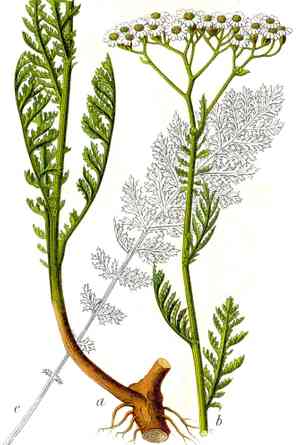
Noble yarrow (Achillea nobilis)
Also known as: Graceful yarrow
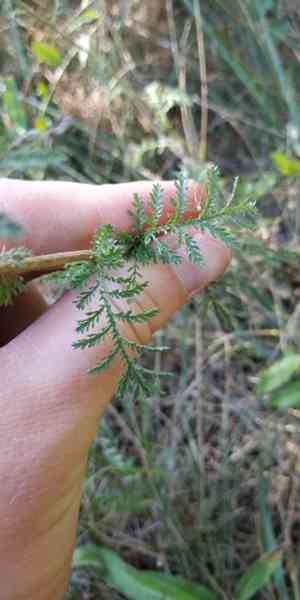
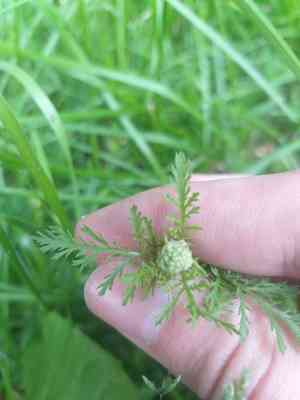
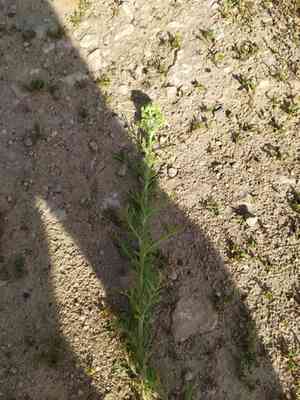
The perennial herb known as noble yarrow, scientifically named Achillea nobilis, derives its name from the legendary Greek hero Achilles. He famously used this plant to heal his soldiers' wounds. While its yellow and creamy white flowers might look similar to common yarrow, noble yarrow can be distinguished by its smaller flower heads. Its leaves are finely divided into needle-like segments, giving them a feathery appearance.
In This Article
Attributes of Noble yarrow
Lifespan
Perennial
Plant Type
Herb
Plant Height
50 cm
Spread
25 cm to 38 cm
Leaf Color
Green Blue
Flower Size
2 cm to 10 cm
Flower Color
White
Images of Noble yarrow
Quickly Identify Noble yarrow
1
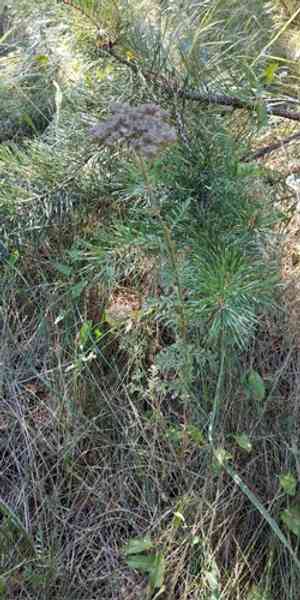
Noble yarrow can be identified by its finely divided, fern-like leaves and clusters of small, white to yellowish flowers. The flowers are arranged in flat-topped corymbs, and the plant typically has a strong aromatic scent.
Scientific Classification of Noble yarrow
Phylum
Vascular plants
Class
Dicotyledons
Order
Asterales
Family
Daisy
Genus
Yarrows
Species
Noble yarrow
Planting and Growing of Noble yarrow
Care Difficulty
Easy
Watering Schedule
Every 2 days
Sunlight Requirements
Full sun
Sunshine Duration
4-6 hours
Ideal Temperature
65-75℉
Soil Type
Potting Mix, Peat Mix
Soil pH
6.5-7.5
Fertilizer Type
Balanced
Pruning Season
Spring, Summer
Pruning Area
Branches, Leaves
Pruning Frequency
2 times a year
Repotting Season
Spring
Pot Type
Plastic, Ceramic
 How to Water Noble yarrow?
Achillea nobilis requires a careful balance of water. The amount should be just enough to moisten the soil without making it soggy. Typically, you should use about 250 ml of water per session. The goal is to allow the soil to be slightly damp, which supports the plant's root system without drowning it.
What are the symptoms of an underwatered Noble yarrow?
›
What should I do if my Noble yarrow is not getting enough water?
›
What are the symptoms of an overwatered Noble yarrow?
›
How to save an overwatered Noble yarrow?
›
 What Are the Sunlight Requirements for Noble yarrow?
Achillea nobilis ideally grows in full sun, receiving adequate light for dense foliage and vibrant blooms. This enhances photosynthesis efficiency, crucial for its growth and flower production.
More About Sunlight Requirements Techniques→
Optimal Sunlight Exposure
›
Avoiding Excessive Shade
›
Balancing Sunlight with Soil Conditions
›
 What Is the Ideal Temperature Range for Noble yarrow?
The ideal temperature range for Achillea nobilis should be between 65°F and 75°F. This range ensures optimal growth and flowering potential, given the plant's natural adaptation to temperate climates. Maintaining this temperature fosters strong development and enhances resistance to pests and diseases.
 What Soil is Best for Noble yarrow?
Achillea nobilis thrives in well-draining soil that prevents waterlogging. This condition is crucial as it mimics the plant's natural habitat and supports healthy root development, leading to vibrant growth. This plant does not demand overly rich soil; moderate nutrient levels suffice. Excessive fertilizer can lead to leggy growth, whereas moderate levels encourage compact, robust plants that can better resist pests. Achillea nobilis prefers soil that is slightly alkaline. Maintaining this pH range enhances nutrient uptake and ensures that the plant grows optimally without nutrient deficiencies that would otherwise stifle its progress.
 How to Fertilize Noble yarrow?
For Achillea nobilis, use a balanced liquid fertilizer at a rate of 1 teaspoon per gallon of water. This ensures the plant receives an adequate supply without overwhelming its root system.
 How to Prune Noble yarrow?
Begin by inspecting the plant for any dead or diseased stems. These can often be identified by their brown, brittle appearance or any soft, mushy sections. Carefully snip them away at the base to help prevent disease from spreading and to open up the plant for better airflow. Focus on improving the plant’s structure by cutting back overgrown branches. Trim back the longest stems by about half their length to encourage the plant to produce lateral shoots. Achillea nobilis responds well to this, resulting in a fuller, bushier plant with increased blooms.
More About Pruning Techniques→
 How to Propagate Noble yarrow plant?
1
Use well-draining soil mixed with compost for optimal seed germination and root development. Ensure the soil is moist but not waterlogged before sowing seeds or planting cuttings.
2
Scatter seeds on the surface of the soil and lightly cover them with a thin layer of soil. Maintain constant humidity and light exposure until seeds germinate, which may take up to 2-3 weeks.
3
Select a healthy parent plant and cut a stem of about 10 cm just below a node. Remove the lower leaves and dip the cut end into rooting hormone to promote root growth.
 How to Repot Noble yarrow plant?
1
Achillea nobilis should be repotted when you notice roots emerging from the drainage holes or when the growth rate diminishes noticeably. These are signals that the plant has outgrown its current pot and needs new space to thrive. Repotting during the warmer months ensures optimum recovery and growth.
2
Opt for a pot that is one size larger than the current one. Ideally, the pot should have drainage holes to prevent root rot. A clay or terracotta pot can be advantageous as it allows air to circulate through the soil, fostering a healthier root system.
3
Select a well-draining loam mix that retains some moisture yet prevents waterlogging. This soil will provide a balanced environment, supply essential nutrients, and encourage strong root development which are crucial for the plant's health.
Learn More About Noble yarrow Diseases
Anthracnose
Bacterial Leaf Spot
Bacterial Soft Rot
Bacterial Wilt
Chemical Injury
Crown Gall
Cyst Nematode
Damping-off
Downy Mildew
Drought Stress
Fusarium Wilt
Gray Mold
Leaf Curl
Leaf Spot
Mosaic
Nutrient Deficiency
Nutrient Toxicity
Powdery Mildew
Root Rot
Root-knot Nematode
Rusts
Sooty Mold
Spider Mites
Temperature Stress
Thrips Damage
White Mold



