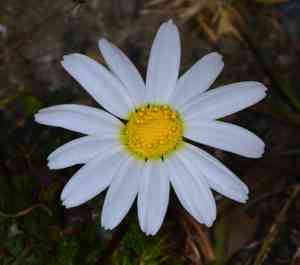
Mountain yarrow (Achillea collina)
Also known as: Yarrow, Milfoil
Mountain yarrow, a tough perennial herb, is distinguished by its clusters of small, often white or pink flowers that bloom above its feathery foliage. This resilient plant excels in well-drained soils and sunny locations, forming a dense mat via its rhizomes. Its aromatic leaves and blooms attract pollinators, and its ability to endure drought and nutrient-poor soils highlights its adaptability to challenging conditions.
In This Article
Attributes of Mountain yarrow
Lifespan
Perennial
Plant Type
Herb
Plant Height
30-60 cm
Spread
Not typically measured in terms of crown diameter due to its herbaceous nature
Leaf Color
Green
Flower Size
3-5 mm per individual flower, but grouped in clusters forming larger inflorescences
Flower Color
White, yellow, pink, red
Images of Mountain yarrow
Quickly Identify Mountain yarrow
1
Identify Achillea collina by its feathery, fern-like leaves and flat-topped clusters of tiny flowers. The flowers range in color from white and yellow to pink and red.
Scientific Classification of Mountain yarrow
Phylum
Vascular plants
Class
Dicotyledons
Order
Asterales
Family
Daisy
Genus
Yarrows
Species
Mountain yarrow
Planting and Growing of Mountain yarrow
Care Difficulty
Easy
Watering Schedule
Every 3 days
Sunlight Requirements
Full sun
Sunshine Duration
4-6 hours
Ideal Temperature
60-75℉
Soil Type
Potting Mix, Peat Mix
Soil pH
6.5-7.5
Fertilizer Type
Balanced
Pruning Season
Spring, Summer
Pruning Area
Branches, Leaves
Pruning Frequency
2 times a year
Repotting Season
Spring
Pot Type
Plastic, Ceramic
 How to Water Mountain yarrow?
Achillea collina requires moderate watering; typically, you should provide around 250 ml of water per session. Ensure that the water reaches the roots without causing waterlogging. The key is to keep the soil slightly moist but never soggy, as excessive moisture can lead to root rot.
What are the symptoms of an underwatered Mountain yarrow?
›
What should I do if my Mountain yarrow is not getting enough water?
›
What are the symptoms of an overwatered Mountain yarrow?
›
How to save an overwatered Mountain yarrow?
›
 What Are the Sunlight Requirements for Mountain yarrow?
Achillea collina fares best in full to partial sun, reaping the rewards of abundant light. With this range, it achieves robust health and abundant, vivid blooms, key to its aesthetic success.
What is the best type of light for Achillea collina?
›
How can I ensure Achillea collina gets enough sunlight?
›
What are the benefits of proper lighting for Achillea collina?
›
 What Is the Ideal Temperature Range for Mountain yarrow?
Achillea collina thrives best within temperatures ranging from 60°F to 75°F. This range ensures optimal growth and bloom of the plant. Such temperatures mimic the natural conditions found in its native habitat of temperate regions, providing the necessary warmth without causing stress. Maintaining this temperature range helps in protecting the plant from temperature-induced dormancy or slowed growth.
 What Soil is Best for Mountain yarrow?
Achillea collina thrives in well-drained soil, which helps prevent root rot and other waterlogging issues. This condition ensures that the roots can access necessary nutrients and oxygen, promoting healthy growth and robust blooms. A nutrient-rich soil supports the lush foliage and abundant flowering of Achillea collina. Balanced nutrients contribute to vibrant colors and disease resistance, ultimately enhancing the plant's decorative appeal. Maintaining moderate moisture levels ensures that Achillea collina gets the hydration it needs without overwatering. This balance is crucial for strong root development and overall plant vitality.
 How to Fertilize Mountain yarrow?
Apply a balanced general-purpose fertilizer diluted to half the recommended strength. Achillea collina doesn’t need excessive nutrients since it thrives in less fertile conditions. Over-fertilizing can lead to leggy growth.
 How to Prune Mountain yarrow?
To promote continuous blooming, regularly deadhead Achillea collina by cutting off spent flowers. This redirects the plant’s energy from seed production to flowering. Use sharp scissors or pruning shears for a clean cut right above the nearest set of leaves. During early spring, trim Achillea collina to shape the plant and improve air circulation. Remove any dead or spindly stems to prevent overcrowding. This not only enhances the plant’s appearance but also reduces the risk of fungal infections. In late autumn, prune back Achillea collina to about one-third of its height. This helps the plant conserve energy during the dormant winter months. It's crucial to leave enough foliage to protect the plant’s base from frost.
 How to Propagate Mountain yarrow plant?
1
Start by filling a seed tray with a well-draining potting mix. Scatter the Achillea collina seeds on the surface and lightly press them into the soil. Maintain consistent moisture by gently misting the surface until germination occurs.
2
Select healthy stems on the parent plant. Use a clean, sharp knife to cut a 4-6 inch section below a leaf node. Remove the lower leaves and dip the cut end in a rooting hormone before planting in a moist potting mix.
3
In early spring, dig up mature Achillea collina clumps. Carefully divide the root mass into smaller sections, ensuring each piece has both roots and shoots. Replant the divisions promptly at the same depth in well-prepared soil.
 How to Repot Mountain yarrow plant?
1
You should consider repotting Achillea collina when you notice the plant becoming root-bound. Signs include roots growing out of the drainage holes or reduced growth vigor. The best times are spring and autumn, when the plant is less likely to experience transplant shock.
2
Selecting a suitable pot is crucial. Look for one that is 1-2 inches larger in diameter than the current pot. This prevents overwatering by ensuring there's not too much excess soil around the roots, which could lead to root rot.
3
Opt for a well-draining garden loam to encourage proper drainage and aeration. This type of soil prevents water from pooling, minimizing the risk of root rot while promoting healthy root growth.
Learn More About Mountain yarrow Diseases
Anthracnose
Bacterial Leaf Spot
Bacterial Soft Rot
Crown Gall
Cyst Nematode
Damping-off
Downy Mildew
Drought Stress
Fusarium Wilt
Gray Mold
Leaf Spot
Mosaic
Nutrient Deficiency
Nutrient Toxicity
Powdery Mildew
Root Rot
Root-knot Nematode
Rusts
Sooty Mold
Spider Mites
Temperature Stress
Thrips Damage
White Mold
Chemical Injury



