
Sweet milfoil (Achillea ageratum)
Also known as: Sweet yarrow, Maudlin, Ageratum yarrow, Flossflower
The liver balsam yarrow, or Achillea ageratum, is an upright perennial herb that typically grows between 10 and 80 centimeters tall and emits a camphor-like aroma. Its stems, which can be simple or branched, become woody at the base and have a shaggy appearance. The leaves, arranged alternately, can reach up to 13 cm in length, are narrow obovate in shape, and feature glandular dots. They are also hairy to shaggy and have a coarsely serrated edge.
In This Article
Attributes of Sweet milfoil
Lifespan
Perennial
Plant Type
Herb
Plant Height
50 cm
Spread
30 cm
Leaf Color
Green
Flower Size
5 cm to 8 cm
Flower Color
Yellow
Images of Sweet milfoil
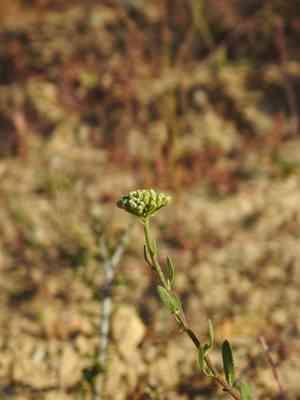
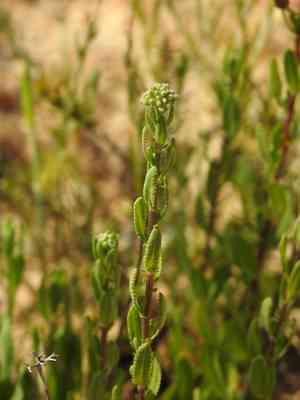
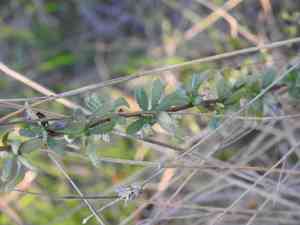
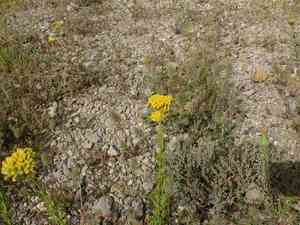
Quickly Identify Sweet milfoil
1
Achillea ageratum can be identified by its deeply lobed, feathery leaves and the distinctive strong, sweet scent of its foliage. The plant produces dense, flat clusters of tiny flowers that are usually white, pink, or pale lavender.
Scientific Classification of Sweet milfoil
Phylum
Vascular plants
Class
Dicotyledons
Order
Asterales
Family
Daisy
Genus
Yarrows
Species
Sweet milfoil
Planting and Growing of Sweet milfoil
Care Difficulty
Easy
Watering Schedule
Every 3 days
Sunlight Requirements
Full sun
Sunshine Duration
6-10 hours
Ideal Temperature
60-70℉
Soil Type
Potting Mix, Peat Mix
Soil pH
6.5-7.5
Fertilizer Type
Balanced
Pruning Season
Spring, Summer
Pruning Area
Branches, Leaves
Pruning Frequency
2 times a year
Repotting Season
Spring
Pot Type
Plastic, Ceramic
 How to Water Sweet milfoil?
Achillea ageratum prefers to have its soil kept moderately moist. Aim for approximately 200 milliliters per watering session, ensuring the soil feels evenly moist but not soggy. It's vital to avoid waterlogged conditions as this plant prefers good drainage.
What are the symptoms of an underwatered Sweet milfoil?
›
What should I do if my Sweet milfoil is not getting enough water?
›
What are the symptoms of an overwatered Sweet milfoil?
›
How to save an overwatered Sweet milfoil?
›
 What Are the Sunlight Requirements for Sweet milfoil?
Achillea ageratum thrives mostly in full sun but can tolerate partial sun. Ideal lighting encourages lush blooms and prevents disease.
What is the ideal lighting duration for Achillea ageratum?
›
How can I achieve the ideal lighting conditions for Achillea ageratum?
›
What are the benefits of providing ideal light conditions to Achillea ageratum?
›
 What Is the Ideal Temperature Range for Sweet milfoil?
Achillea ageratum thrives best in a temperature range between 60°F and 70°F. This range ensures optimal growth and blooming. During this period, metabolic activities are at their peak, allowing the plant to utilize nutrients efficiently, leading to vigorous growth and development.
 What Soil is Best for Sweet milfoil?
Achillea ageratum thrives in well-drained soils, which prevent waterlogging and root rot. This drainage helps support healthy root development and boosts the plant's overall resilience in various environmental conditions. This plant can tolerate soils with low fertility, which makes it a perfect candidate for gardens with sandy soil conditions. It adapts well to nutrient-poor environments, reducing the need for frequent fertilization. While Achillea ageratum is quite adaptable, it has a slight preference for soils that are slightly alkaline to neutral. This pH range enhances its uptake of essential nutrients and overall health.
 How to Fertilize Sweet milfoil?
For Achillea ageratum, it's crucial to apply fertilizers carefully to avoid nutrient toxicity. Typically, a balanced 10-10-10 NPK fertilizer is recommended. Apply approximately one tablespoon of slow-release granules per plant twice per year in early spring and mid-summer. For liquid fertilizer, dilute it to half strength for a monthly application without exceeding manufacturer's instructions.
 How to Prune Sweet milfoil?
Look for stems that appear withered, discolored, or broken. Using a pair of clean, sharp pruning shears, cut these stems back to where healthy tissue is found. Doing this frequently helps the plant allocate resources to healthy parts. Focus on deadheading the faded blooms by cutting them back to the nearest set of healthy leaves. This will not only improve the plant’s appearance but also stimulate the growth of new blooms, ensuring a vibrant display throughout its season.
More About Pruning Techniques→
 How to Propagate Sweet milfoil plant?
1
Start by filling seed trays with a light potting mix. Sow the seeds on the surface, as they need light to germinate, and gently press them into the soil. Water the trays lightly and maintain a warm and bright location until germination occurs in 7-10 days.
2
Select healthy stems from the parent plant, ideally non-flowering shoots. Make a clean cut just below a node, and remove the lower leaves. Dip the cut end into rooting hormone to enhance root development and plant in a moist rooting medium.
3
In the spring or early summer, dig up an established plant and carefully separate the clumps with a sharp spade or knife. Ensure each division has roots and shoots, and replant them at the same depth as they grew before, watering thoroughly after replanting.
 How to Repot Sweet milfoil plant?
1
Look for signals such as roots protruding from the drainage holes, soil compacted too tightly, or a noticeable slowdown in growth. Achillea Ageratum benefits from repotting every 2-3 years, during early spring or autumn, which stimulates rejuvenation after dormancy or prepares it for the growing season ahead.
2
Choose a pot that is one size larger than the current one. Ensure it has adequate drainage holes to prevent waterlogging. This allows roots to expand and breathe, promoting a healthier root system and robust plant growth.
3
Opt for a well-draining loamy mix that retains some moisture while allowing excess water to drain freely. This type of soil replicates the natural habitat of Achillea Ageratum, preventing root rot and supporting vibrant blooms.
Learn More About Sweet milfoil Diseases
Anthracnose
Bacterial Leaf Spot
Bacterial Soft Rot
Bacterial Wilt
Crown Gall
Cyst Nematode
Damping-off
Downy Mildew
Drought Stress
Fusarium Wilt
Gray Mold
Leaf Spot
Mosaic
Nutrient Deficiency
Nutrient Toxicity
Powdery Mildew
Root Rot
Root-knot Nematode
Rusts
Sooty Mold
Spider Mites
Temperature Stress
Thrips Damage
White Mold



