Maples (Acer) (Acer)
Also known as: Maple, Sugar Maple, Acer Tree
In Japan, the cultural tradition of observing the vibrant autumn colors of maple trees is known as "momiji-gari" (紅葉狩り). This practice involves visiting picturesque locations to admire the striking red, orange, and yellow hues of the leaves as they change in the fall.
In This Article
Attributes of Maples (Acer)
Lifespan
Perennial
Plant Height
20 m
Spread
10 m
Leaf Color
Green in spring and summer, turning to shades of yellow, orange, or red in autumn
Flower Size
Small, typically between 3 to 5 millimeters
Flower Color
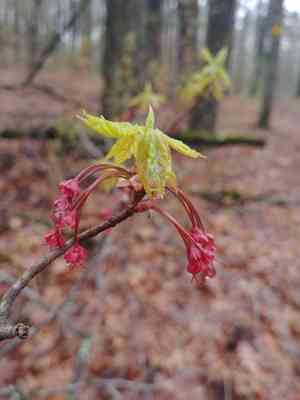
Yellow, green, or red depending on the species
Images of Maples (Acer)
Quickly Identify Maples (Acer)
1
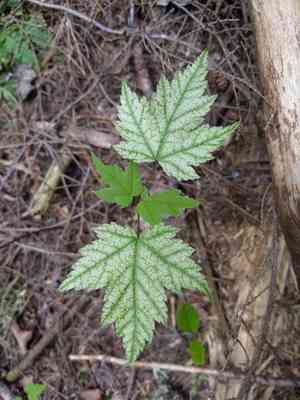
Maples can be identified by their opposite leaf arrangement, palmately lobed leaves, and the presence of a winged fruit called a samara. The leaf lobes often have pointed tips in a characteristic shape.
Scientific Classification of Maples (Acer)
Phylum
Magnoliophyta
Class
Magnoliopsida
Order
Sapindales
Family
Sapindaceae
Genus
Acer
Planting and Growing of Maples (Acer)
Care Difficulty
Moderate
Watering Schedule
Every 4 days
Sunlight Requirements
Full sun
Sunshine Duration
6-10 hours
Ideal Temperature
60-75℉
Soil Type
Potting Mix, Peat Mix
Soil pH
5.5-7.5
Fertilizer Type
Balanced
Pruning Season
Spring, Summer
Pruning Area
Branches, Leaves
Pruning Frequency
2 times a year
Repotting Season
Spring
Pot Type
Plastic, Ceramic
 How to Water Maples (Acer)?
When watering Acer (maple trees), ensure the soil receives about 500 milliliters per session. The goal is to soak the soil to a moderate depth, enough for moisture to reach the roots without waterlogging the soil. This helps maintain proper hydration while preventing issues related to overwatering.
What are the symptoms of an underwatered Maples (Acer)?
›
What should I do if my Maples (Acer) is not getting enough water?
›
What are the symptoms of an overwatered Maples (Acer)?
›
How to save an overwatered Maples (Acer)?
›
 What Are the Sunlight Requirements for Maples (Acer)?
Acer enjoys a mix of full and partial sunlight, ideally 4-8 hours daily. This light range strengthens foliage, maintains vibrant color, and supports robust health, contributing to vigorous growth and increased resilience to environmental stressors.
What is the best light for Acer?
›
How can I ensure my Acer gets ideal light?
›
What benefits does ideal lighting offer Acer?
›
 What Is the Ideal Temperature Range for Maples (Acer)?
The ideal temperature range for Acer, between 60°F and 75°F, is crucial because it ensures optimal physiological functions such as photosynthesis and transpiration. These temperatures help maintain metabolic balance, contributing to the plant's overall health and growth.
 What Soil is Best for Maples (Acer)?
Acer thrives in soil that can retain moisture without becoming waterlogged. This type of soil helps Acer maintain hydration during dry periods while preventing root rot. Having soil rich in essential nutrients supports healthy growth and vibrant foliage for Acer. It optimizes nutrient uptake, enhancing vigor and resistance to pests and diseases. Good drainage prevents water accumulation around Acer roots, avoiding root suffocation and diseases, and guarantees that excess water is swiftly dispersed.
 How to Fertilize Maples (Acer)?
When fertilizing the Acer, it is crucial to ensure you are providing the right amount. Over-fertilizing can lead to salt buildup, damaging the roots and foliage, while under-fertilizing might lead to stunted growth. Depending on the Age and size of the tree, you should aim for about 1-2 pounds of nitrogen per 1000 square feet each year.
 How to Prune Maples (Acer)?
Begin by inspecting the tree for any dead or diseased branches that need removal. These branches can be easily identified by their lack of foliage or discolored bark. Remove them completely to prevent disease spread. After removing unhealthy branches, focus on shaping the tree. Start by thinning out overcrowded areas to allow better light penetration and air circulation. Aim to maintain the tree's natural form by cutting just above a bud facing the direction you want growth. Encourage an open canopy by ensuring the branches are well-spaced. This not only enhances air flow but also prevents fungal diseases by reducing moisture build-up on leaves. Remove any branches that cross or rub against each other.
 How to Propagate Maples (Acer) plant?
1
Gather seeds from healthy Acer trees during autumn when they are mature. Ensure the seeds are viable by performing a float test; viable seeds generally sink in water.
2
Use semi-hardwood cuttings from the Acer during late spring or early summer. Dip the cuttings in rooting hormone, then plant them in a potting mix to encourage root growth under controlled conditions.
3
Select compatible rootstock and scion material during late winter or early spring. Perform the grafting using a clean, precise cut to ensure the cambium layers connect, followed by securing it with grafting tape.
 How to Repot Maples (Acer) plant?
1
Repotting Acer is essential when you see roots growing out of drainage holes or the soil dries quickly after watering. These signs suggest the plant has outgrown its pot and needs more space and nutrients to thrive.
2
Select a pot that is one size larger than the current one and has good drainage holes. A slightly larger pot prevents overwatering issues, allows root expansion, and ensures the Acer has sufficient room to grow and develop.
3
A good soil mix for Acer trees is well-draining with moderate nutrient levels. It often contains a combination of loam, peat, and perlite. This mix promotes healthy root growth, prevents waterlogging, and supports nutrient uptake.
Toxicity
Ingestion of plant material
WARNING
The judgment on toxicity and danger is for reference only. We DO NOT GUARANTEE any accuracy of such judgment. Therefore, you SHALL NOT rely on such judgment. It is IMPORTANT TO SEEK PROFESSIONAL ADVICE in advance when necessary.

