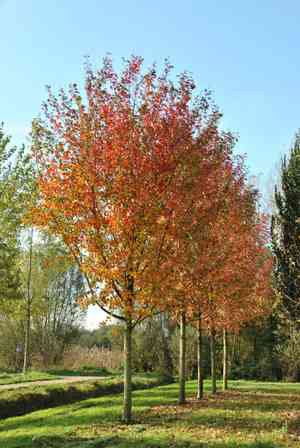
Acer × freemanii(Acer × freemanii)

Acer × freemanii (Acer × freemanii)

Also known as: Freeman's maple, Half sugar, half red

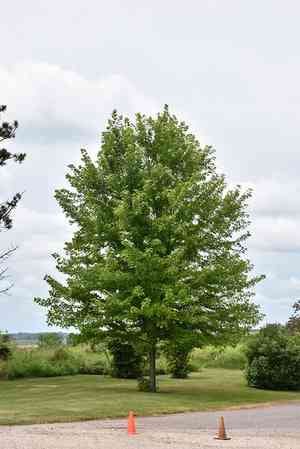
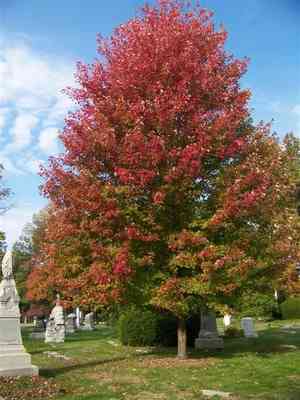
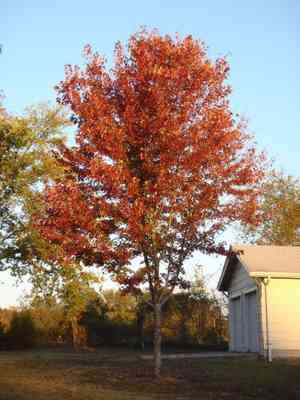
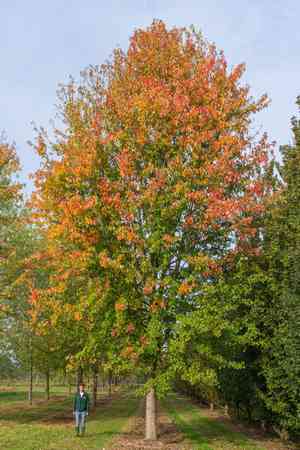
Acer x freemanii, also known as Freeman maple or Freeman's maple, is a hybrid maple that naturally exists. Its existence is due to a cross-breeding between Acer rubrum (commonly known as red maple) and Acer saccharinum (alternatively known as silver maple). The areas where this hybrid is naturally found align with those of its parent species, specifically in the eastern part of North America. The designation of this species refers to Oliver M. Freeman from the U.S. National Arboretum. Freeman is recognized for successfully producing the hybrid A. rubrum and A. saccharinum in 1933. In the fall, this hybrid presents an impression of dazzling orange-red leaves. With a variety of commercially available cultivars, this hybrid is popular as a standard form of street tree.

Attributes of Acer × freemanii

Lifespan
Perennial - an Acer × freemanii tree can live for many years
Plant Height
20-30 meters
Spread
10-15 meters
Leaf Color
Green, turning bright red or orange in autumn
Flower Size
Not specified
Flower Color
Not Specified

ForwardPlant - Identify plants with a snap

Identify and diagnose plants, get toxicity alerts, and explore safety guides for all types of fungi.

Try for Free

Images of Acer × freemanii

Acer × freemanii(Acer × freemanii)

Quickly Identify Acer × freemanii

1
Freeman maple trees can be identified by their deeply lobed, serrate leaves that are similar in appearance to both red and silver maples. The leaf appearance can vary between trees, expressing traits from both parent species. The trees also have a smooth, gray bark when young, which becomes furrowed with age. The fall foliage is typically bright red or orange.

Scientific Classification of Acer × freemanii

Phylum
Magnoliophyta
Class
Magnoliopsida
Order
Sapindales
Family
Sapindaceae
Genus
Acer
Species
A. × freemanii

Planting and Growing of Acer × freemanii

Watering Schedule
Every 8 days
Sunlight Requirements
Full sun
Sunshine Duration
4-6 hours
Ideal Temperature
60-75℉
Soil Type
Potting Mix, Peat Mix
Soil pH
5.5-7.5
Fertilizer Type
Balanced
Pruning Season
Spring, Summer
Pruning Area
Branches, Leaves
Pruning Frequency
Once a year
Repotting Season
Spring
Pot Type
Terracotta, Plastic

water icon How to Water Acer × freemanii?

When watering Acer × freemanii, ensure the soil is soaked until water drains from the bottom of the pot. The key is to simulate a natural rainfall, allowing the water to percolate through the entire root zone without waterlogging the soil.
What are the symptoms of an underwatered Acer × freemanii?
What should I do if my Acer × freemanii is not getting enough water?
What are the symptoms of an overwatered Acer × freemanii?
How to save an overwatered Acer × freemanii?

sunlight icon What Are the Sunlight Requirements for Acer × freemanii?

Sunlight Requirements: Full sun, Partial sun
Duration of light: 6-8 hours daily
Acer × freemanii thrives best with full to partial sun, ideally receiving 6-8 hours of sunlight per day. This ensures vigorous growth, vibrant leaf colors, and strong structure.
What is the ideal lighting condition?
How can you ensure ideal sunlight exposure?
What are the benefits of ideal lighting?

temperature icon What Is the Ideal Temperature Range for Acer × freemanii?

Ideal Temperature: 60 ~ 75℉
The ideal temperature range for Acer × freemanii is between 60°F and 75°F. This range supports optimal growth and allows the plant to thrive without stress. At these temperatures, the tree can efficiently photosynthesize, absorb nutrients, and maintain its physiological processes.

soil icon What Soil is Best for Acer × freemanii?

Soil type: Loam, Sandy loam, Clay soil
Soil PH: 5.5 ~ 7.5
Acer × freemanii thrives best in well-drained soils, as this prevents waterlogging and root rot. Ensuring proper drainage improves aeration around the roots, promoting healthier growth and vibrant foliage. This plant prefers soils that retain some moisture but do not become soggy. Adequate moisture retention supports consistent hydration, which is crucial during dry spells to avoid stress that can lead to wilting and poor leaf coloration. A nutrient-rich soil environment fosters robust growth, enhancing the plant's ability to produce lush, healthy leaves. An abundance of organic matter ensures a steady supply of nutrients essential for optimal development.

fertilize icon How to Fertilize Acer × freemanii?

Fertilizer type: Balanced
When fertilizing Acer × freemanii, use a balanced fertilizer with a ratio like 10-10-10. For liquid fertilizers, apply 1 cup of diluted solution around the base of the tree, ensuring it doesn’t touch the trunk. Excessive amounts of fertilizer can harm root systems, so always measure carefully.

prune icon How to Prune Acer × freemanii?

Pruning Time: Spring, Summer
Begin by removing any dead, damaged, or diseased branches to prevent the spread of pests and disease. Once these are cleared, focus on improving the structure by removing crossing branches and those that grow towards the center of the tree. Try to maintain an open canopy structure to encourage healthy growth. Always use clean, sharp tools to make clean cuts, ideally at a slight angle to prevent water collection, which might lead to rot. Pruning Acer × freemanii to encourage strong growth involves cutting back to a healthy outward-facing bud or branch. This practice helps direct growth outward and upward, leading to a more robust and aesthetically pleasing tree. Focus on thinning out overly dense areas to allow more light and air, which reduces the chance of fungal growth.

propagate icon How to Propagate Acer × freemanii plant?

Propagate Time: Early spring, Late spring
1
Collect seeds from mature Acer × freemanii trees in late autumn. Ensure seeds are fully matured and dry them thoroughly before storing in a cool, dark place. Proper storage is crucial for maintaining seed viability until sowing.
2
In early spring, select healthy, disease-free stems for cuttings. Using pruning shears, cut 4-6 inch segments from young, vigorous growth, ensuring each cutting has several nodes to increase rooting potential.
3
Grafting combines a scion of Acer × freemanii with a compatible rootstock. Perform grafting in early spring when both the scion and rootstock are in active growth. Techniques such as cleft grafting or whip grafting are commonly used for this species.

repot icon How to Repot Acer × freemanii plant?

Repotting frequency: Every 2-3 years
1
Recognize it's time to repot Acer × freemanii when you notice roots are circling the pot or poking out of the drainage holes. Another safe bet is when the plant seems thirsty every day or growth appears stunted. Choose a time when the plant is not pushing out new leaves or buds to minimize stress.
2
Opt for a pot that's about 2 inches larger in diameter than the current one. Ensure it has proper drainage holes to prevent root rot. A sturdy, weather-resistant material like ceramic helps to maintain moisture levels and adds stability during windy conditions.
3
Select a loamy, well-draining soil mix, which helps ensure the plant gets adequate nutrients while allowing excess moisture to escape. A good blend retains essential moisture yet prevents water-logging and root suffocation.

ForwardPlant - Identify plants with a snap

Find the best spots for them to optimize their health, simply using your phone.

Try for Free

Toxicity

null

Identify toxic plants for your safety

Learn which plants are harmful to you and your pets, and make informed choices for a safer home!

Try for Free
WARNING
The judgment on toxicity and danger is for reference only. We DO NOT GUARANTEE any accuracy of such judgment. Therefore, you SHALL NOT rely on such judgment. It is IMPORTANT TO SEEK PROFESSIONAL ADVICE in advance when necessary.