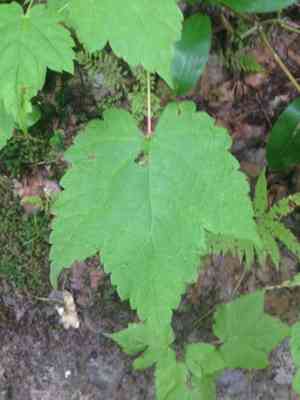
Mountain maple (Acer spicatum)
Also known as: Mountain Maple, Moose Maple
Mountain maple (Acer spicatum) typically thrives in the mountainous areas of eastern North America. Its bark is a favored snack for animals like deer, moose, and rabbits. Additionally, the tree's sap can be tapped to produce maple syrup, and its tannins have historically been utilized in leather tanning.
In This Article
Attributes of Mountain maple
Lifespan
Perennial
Plant Type
Tree, Shrub
Plant Height
3 m to 8 m
Spread
3 m to 6 m
Leaf Color
Green Yellow
Flower Size
2.5 cm
Flower Color
Yellow Green
Images of Mountain maple
Quickly Identify Mountain maple
1
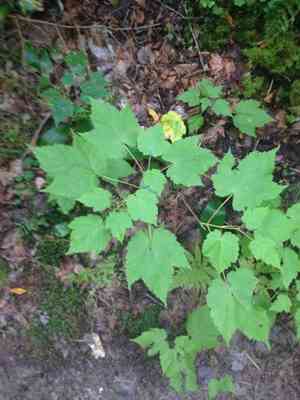
Opposite, lobed leaves transition to vibrant fall colors (yellow, orange, red).
2
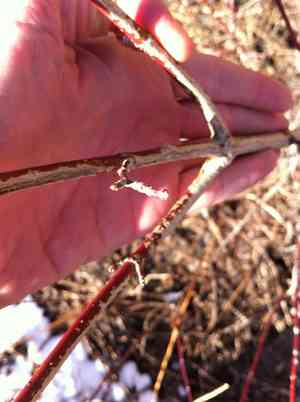
Upright, slender stem with purplish-red color and tannin content for leather tanning.
3
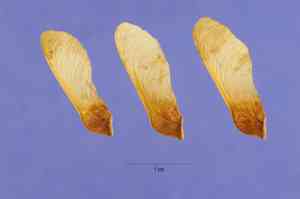
Distinctive reddish samaras with elongated wing-like structure for wind dispersal.
4
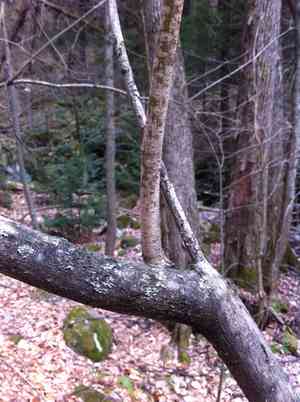
Bushy crown atop short trunk, slender branches, reaching 10-25 feet in height.
5
Delicate, greenish-yellow flowers in small clusters with subtle sweet fragrance.
Scientific Classification of Mountain maple
Phylum
Vascular plants
Class
Dicotyledons
Order
Sapindales
Family
Soapberry
Genus
Maples
Species
Mountain maple
Planting and Growing of Mountain maple
Care Difficulty
Easy
Watering Schedule
Every 4 days
Sunlight Requirements
Partial sun
Sunshine Duration
6-10 hours
Ideal Temperature
60-75℉
Soil Type
Potting Mix, Peat Mix
Soil pH
4.5-6.5
Fertilizer Type
Balanced
Pruning Season
Spring, Summer
Pruning Area
Branches, Leaves
Pruning Frequency
2 times a year
Repotting Season
Spring
Pot Type
Plastic, Ceramic
 How to Water Mountain maple?
When watering Acer spicatum, the goal is to keep the soil consistently moist but not waterlogged. You should provide about 500 milliliters of water each time, ensuring that the soil absorbs the water evenly. Avoid over-saturating to prevent root rot.
What are the symptoms of an underwatered Mountain maple?
›
What should I do if my Mountain maple is not getting enough water?
›
What are the symptoms of an overwatered Mountain maple?
›
How to save an overwatered Mountain maple?
›
 What Are the Sunlight Requirements for Mountain maple?
Partial sunlight ensures Acer spicatum's optimal leaf pigment and overall vigor. It avoids the direct rays that could harm its delicate structure.
More About Sunlight Requirements Techniques→
What is the ideal amount of sunlight for Acer spicatum?
›
How can Acer spicatum achieve its ideal lighting conditions?
›
What benefits does Acer spicatum receive with ideal lighting?
›
 What Is the Ideal Temperature Range for Mountain maple?
The ideal temperature range for the cultivation of Acer spicatum is between 60°F and 75°F. This temperature range allows the plant to photosynthesize effectively, promoting healthy growth and development. Maintaining this range aids in achieving vibrant foliage and optimal structural growth.
 What Soil is Best for Mountain maple?
Acer spicatum flourishes in well-drained soils, preventing waterlogging and root rot. This enhances the plant’s overall health and supports robust growth. Moderate moisture retention in the soil is crucial, as it ensures the roots have consistent access to water, promoting healthy development and colorful foliage. Rich soil with adequate nutrients supports Acer spicatum’s vibrant leaf color and overall vitality, optimizing its growth and resilience against environmental stresses.
 How to Fertilize Mountain maple?
For Acer spicatum, it's essential to provide a balanced supply of nutrients. Use a liquid fertilizer diluted to half-strength, approximately 1/2 cup per application, ensuring the roots receive nutrients without overwhelming the plant.
 How to Prune Mountain maple?
Use sharp pruning shears for smaller branches and loppers or a pruning saw for larger branches. Sharp tools ensure clean cuts and minimize plant stress. Start by identifying and removing any dead, damaged, or diseased branches. This helps prevent the spread of disease and encourages new growth. Thin out dense areas to enhance air circulation through the canopy, which reduces the risk of fungal infections and promotes overall plant health. Trim the branches to maintain the desired shape and structure. Ensure there are no crossing branches to avoid future damage as they grow.
More About Pruning Techniques→
 How to Propagate Mountain maple plant?
1
Gather mature seeds from the plant in late autumn. It's crucial to select seeds that are fully developed for successful germination.
2
Plant the seeds in a suitable seed tray with moist soil in spring. Lightly cover with soil, ensuring they have sunlight and consistent moisture for germination.
3
In early summer, cut healthy branches at a 45-degree angle. Remove excess leaves, leaving a few at the top, and dip in a rooting hormone before planting.
 How to Repot Mountain maple plant?
1
Acer spicatum should be repotted when you notice roots growing out of the drainage holes, the plant seems stunted, or the soil dries out too quickly after watering. Early in spring before new growth appears is an ideal time to start the process.
2
Select a pot that is 2-3 inches larger in diameter than the current one. Ensure it has good drainage to prevent waterlogging, which can lead to root rot. A slightly larger pot allows for root expansion without overwhelming the plant.
3
Opt for a well-draining soil mix with an acidic pH for Acer spicatum. This can be achieved by mixing pine bark, sand, and peat moss, providing good aeration and nutrient retention, mimicking its natural habitat.



