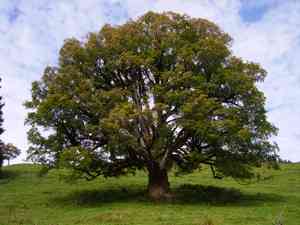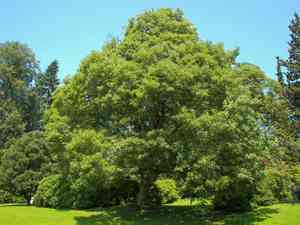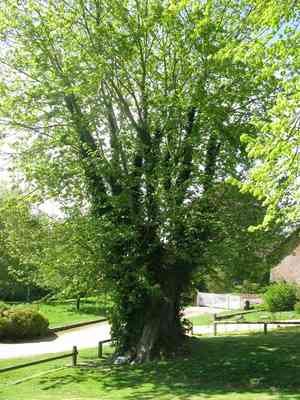
Sycamore(Acer pseudoplatanus)

Sycamore (Acer pseudoplatanus)

Also known as: Great maple, Plane maple, Lock-and-key-tree

Sycamore wood, derived from the sycamore maple (Acer pseudoplatanus), is prized for its versatility and aesthetic qualities. It is widely utilized in the creation of furniture, cabinetry, and veneers due to its appealing grain and smooth texture. Additionally, sycamore wood is ideal for making musical instruments, wooden flooring, and various kitchen utensils such as cutting boards and butcher blocks. Its durability and ease of use make it a popular choice for numerous woodworking applications.

Attributes of Sycamore

Lifespan
Perennial
Plant Type
Tree
Plant Height
20 m to 35 m
Spread
15 m
Leaf Color
Green Yellow
Flower Size
8 cm to 15 cm
Flower Color
Green Yellow

PlantJoy - Identify plants with a snap

Identify and diagnose plants, get toxicity alerts, and explore safety guides for all types of fungi.

Try for Free

Images of Sycamore

Sycamore(Acer pseudoplatanus)

Quickly Identify Sycamore

1
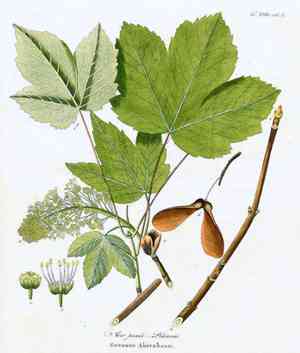
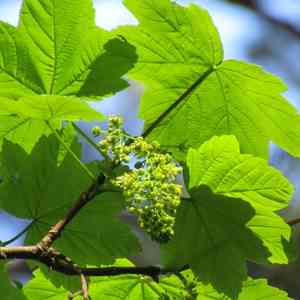
Leaves are broad, 5-lobed, and serrated, resembling an outstretched hand, reaching up to 6 inches (15 cm).
2
Fruit consists of 2-inch (5 cm) winged samaras with twin wings forming a 60-degree angle for wind dispersal.
3
Trunk bark showcases flaking layers, revealing vibrant orange inner bark, transitioning from smooth to rugged textures.
4
Stem is robust, gray-brown, slightly four-sided, with distinct leaf scars not meeting, supporting a widespread canopy.
5
Flowers are modest, yellow-green, fragrant-less, cluster in panicles up to 5 inches (12.7 cm) long during spring.

Scientific Classification of Sycamore

Phylum
Vascular plants
Class
Dicotyledons
Order
Sapindales
Family
Soapberry
Genus
Maples
Species
Sycamore

Planting and Growing of Sycamore

Care Difficulty
Easy
Watering Schedule
Every 3 days
Sunlight Requirements
Full sun
Sunshine Duration
6-12 hours
Ideal Temperature
50-68℉
Soil Type
Potting Mix, Peat Mix
Soil pH
6.5-7.5
Fertilizer Type
Balanced
Pruning Season
Spring, Summer
Pruning Area
Branches, Leaves
Pruning Frequency
2 times a year
Repotting Season
Spring
Pot Type
Plastic, Ceramic

water icon How to Water Sycamore?

Acer pseudoplatanus, commonly known as the sycamore maple, requires a consistent watering routine. Aim to provide around 1500 milliliters each session. The soil should be moist but not waterlogged. You want to avoid the roots sitting in water, which can lead to root rot. Imagine giving the plant a thorough soak, allowing the water to penetrate down to the roots while avoiding standing water.
What are the symptoms of an underwatered Sycamore?
What should I do if my Sycamore is not getting enough water?
What are the symptoms of an overwatered Sycamore?
How to save an overwatered Sycamore?
More About Watering Techniques

sunlight icon What Are the Sunlight Requirements for Sycamore?

Sunlight Requirements: Full sun, Partial sun
Duration of light: 5-6 hours daily
Acer pseudoplatanus grows optimally with a blend of full sun and partial shade, promoting vibrant foliage. Ideal lighting supports robust growth and enhances disease resistance.
Optimal Sunlight Requirements
Solutions to Achieve Ideal Light
Benefits of Ideal Lighting
More About Sunlight Requirements Techniques

temperature icon What Is the Ideal Temperature Range for Sycamore?

Ideal Temperature: 50 ~ 68℉
For the optimal growth of Acer pseudoplatanus, maintaining a temperature range between 50°F and 68°F is ideal. This range supports the tree’s natural growth process, allowing it to absorb nutrients efficiently, grow robustly, and resist diseases. Consistent temperatures within this range ensure that the tree remains healthy and vibrant throughout its growth cycle.

soil icon What Soil is Best for Sycamore?

Soil type: Loam, Sandy loam, Calcareous soil
Soil PH: 6.5 ~ 7.5
Acer pseudoplatanus thrives in well-drained soil as it prevents waterlogging. Ensuring good drainage increases root aeration and reduces the risk of root rot, promoting healthy growth. This species benefits from nutrient-rich soil, providing essential elements like nitrogen and potassium. Such conditions support vibrant foliage and robust development throughout the growing season. Moderate moisture retention in the soil facilitates sustained hydration, helping Acer pseudoplatanus manage dry spells effectively. This balance aids in maintaining turgor pressure and reducing stress on the plant. More About Soil

fertilize icon How to Fertilize Sycamore?

Fertilizer type: Balanced
Acer pseudoplatanus, commonly known as the sycamore maple, generally requires modest amounts of fertilizer. During the growing season, a balanced liquid fertilizer should be applied at half strength to avoid nutrient burn. For mature trees, ensure the fertilizer is evenly distributed across the root zone. More About Fertilizing Techniques

prune icon How to Prune Sycamore?

Pruning Time: Spring, Summer
Avoid heavy pruning during autumn as it can cause excessive stress on the tree before winter dormancy. Spring or Summer is ideal when the tree is actively growing and can heal more quickly. Ensure your pruning tools are sharp and clean to make precise cuts and prevent disease transmission. Disinfect tools before and after pruning to maintain plant health. More About Pruning Techniques

propagate icon How to Propagate Sycamore plant?

Propagate Time: Spring, Early spring, Late winter
1
Begin the propagation process by collecting seeds from mature Acer pseudoplatanus trees. Ensure the seeds are fully developed and dry them thoroughly before storage. This prevents mold during storage and promotes better germination results when planted.
2
To propagate by cuttings, select healthy branches from the parent tree. Cut sections approximately 10-15 cm long with a sharp pruning shear. Strip the lower leaves to expose nodes, which will encourage root development when planted.
3
For grafting propagation, select a healthy scion and a compatible rootstock. Make precise cuts in both to ensure good contact. Secure the graft union with grafting tape to promote successful healing and growth.
More About Propagating Techniques

repot icon How to Repot Sycamore plant?

Repotting frequency: Every 2-3 years
1
Keep an eye on indications like roots growing out of drainage holes or your Acer pseudoplatanus showing stunted growth. These signs suggest it's time for a new pot to support its expanding root system. A good rule of thumb is to repot during early spring or autumn for best results.
2
Select a pot one size larger than the current one, ensuring it has adequate drainage holes. A pot with sufficient space helps prevent waterlogging, which can cause root rot. The new space encourages healthy root expansion and supports the plant's overall growth.
3
Select a rich, loamy soil mixture with excellent drainage to allow air circulation around the roots. This type of soil prevents root rot and supports the healthy absorption of nutrients. Good soil structure is crucial for robust growth and vitality in your Acer pseudoplatanus.

PlantJoy - Identify plants with a snap

Find the best spots for them to optimize their health, simply using your phone.

Try for Free

Toxicity of Sycamore

Is Sycamore toxic to humans?

Sycamore presents a mild toxicity risk to humans when ingested. Every part of this plant is deemed toxic and can result in poisoning if eaten. The toxic characteristics are largely attributed to the presence of hypoglycin A (HGA) and pyrogallol. Upon ingestion, individuals may suffer from various symptoms, not limited to gastrointestinal issues such as nausea and vomiting, as well as weakness and hypoglycemia due to hypoglycin A. The intensity of symptoms can differ depending on the quantity consumed and the individual's sensitivity. People should be mindful of the possible dangers linked to the unintentional consumption of any sycamore part, particularly because the whole plant contains toxic compounds.

Is Sycamore toxic to cat?

The Sycamore tree has been recognized to exhibit a mild level of toxicity to cats. Felines might inadvertently consume various parts of the sycamore, and it is crucial to understand that every part of the plant is harmful. Ingesting sycamore can result in symptoms that indicate physical discomfort, illness, or pain. Two toxic compounds identified within sycamore are hypoglycin A (HGA) and gallic acid, which contribute to its poisonous characteristics. Considering these dangers, cat owners are advised to observe their pets for any abnormal behavior and promptly seek veterinary assistance if poisoning is feared.

Is Sycamore toxic to dog?

Sycamore is regarded as having mild toxicity for dogs. If canines inadvertently consume this plant, it may lead to poisoning. All parts of the plant, including its leaves, seeds, and bark, harbor toxic compounds that pose a risk to a dog's well-being. Upon ingesting sycamore, a dog could show signs such as vomiting, diarrhea, abdominal discomfort, or lethargy. It is vital for dog owners to remain alert and keep their pets away from areas where sycamore is present. Should a dog accidentally consume sycamore, it is essential to seek prompt veterinary assistance to ensure the best possible care for the animal.

Identify toxic plants for your safety

Learn which plants are harmful to you and your pets, and make informed choices for a safer home!

Try for Free
WARNING
The judgment on toxicity and danger is for reference only. We DO NOT GUARANTEE any accuracy of such judgment. Therefore, you SHALL NOT rely on such judgment. It is IMPORTANT TO SEEK PROFESSIONAL ADVICE in advance when necessary.
More About Toxic Techniques