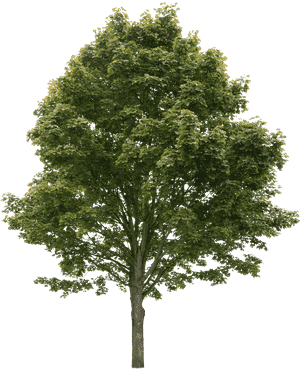
Norway maple (Acer platanoides)
Also known as: Great maple, Harlequin maple
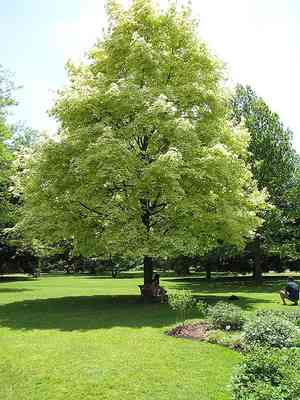
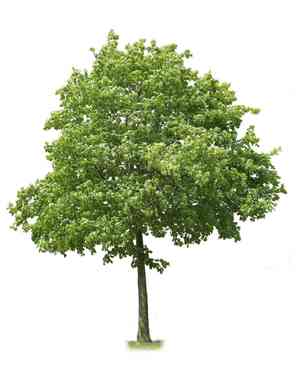
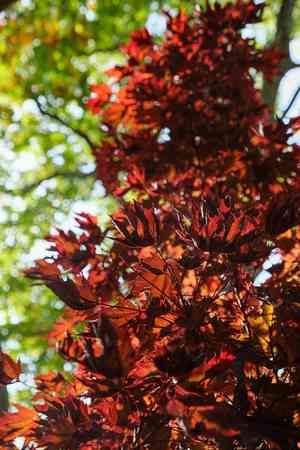
The Norway Maple, originally from Europe and West Asia, typically reaches heights of 20 to 30 meters. It features bright green, lobed leaves that transform into yellow or red hues in the fall. Initially brought to the United States as an ornamental shade tree, it has since become invasive. In regions outside its northern habitat, the tree may have a shorter lifespan and be prone to disease and damage.
In This Article
Attributes of Norway maple
Lifespan
Perennial
Plant Type
Tree
Plant Height
9 m to 30 m
Spread
15 m to 20 m
Leaf Color
Green Yellow Brown Orange Red Variegated Gold
Flower Size
3 mm to 4 mm
Flower Color
Yellow Green
Images of Norway maple
Quickly Identify Norway maple
1
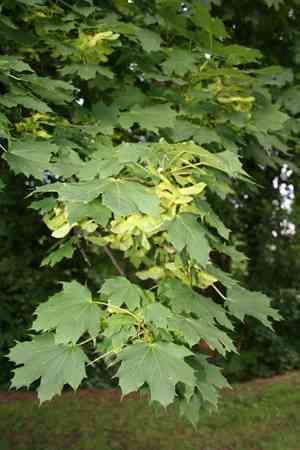
Opposite, five-lobed leaves with milky sap and fine hairs in vein axils.
2
Paired nutlets aligned in a straight line on the tree.
3
Small green-yellow flowers in clusters with subtle sweet fragrance.
4
Fruit consists of winged samaras for wind dispersal, maturing from green to brown.
5
Broad leaves with 5 sharply pointed lobes and prominent palmate vein pattern.
Scientific Classification of Norway maple
Phylum
Vascular plants
Class
Dicotyledons
Order
Sapindales
Family
Soapberry
Genus
Maples
Species
Norway maple
Planting and Growing of Norway maple
Care Difficulty
Easy
Watering Schedule
Every 3 days
Sunlight Requirements
Full sun
Sunshine Duration
4-8 hours
Ideal Temperature
60-75℉
Soil Type
Potting Mix, Peat Mix
Soil pH
6.5-7.5
Fertilizer Type
Balanced
Pruning Season
Spring, Summer
Pruning Area
Branches, Leaves
Pruning Frequency
Once a year
Repotting Season
Spring
Pot Type
Terracotta, Plastic
 How to Water Norway maple?
For Acer platanoides, aim to apply around 1000 milliliters of water per watering session. Ensure the soil is thoroughly soaked but avoid leaving it waterlogged. The right amount is usually when the top 2 inches of soil feel moist but not soggy.
More About Watering Techniques→
What are the symptoms of an underwatered Norway maple?
›
What should I do if my Norway maple is not getting enough water?
›
What are the symptoms of an overwatered Norway maple?
›
How to save an overwatered Norway maple?
›
 What Are the Sunlight Requirements for Norway maple?
Acer platanoides thrives best in full sun to partial sun conditions, receiving about 6 to 8 hours of sunlight daily. This exposure is critical as it enhances photosynthetic activity, resulting in lush foliage and strong structural growth.
More About Sunlight Requirements Techniques→
Ideal Positioning
›
Solution for Shaded Areas
›
Effects of Optimal Lighting
›
 What Is the Ideal Temperature Range for Norway maple?
Acer platanoides thrives best in temperatures ranging between 60°F and 75°F. Consistent temperatures within this range support vigorous leaf development and overall plant health, fostering robust growth during the growing season.
 What Soil is Best for Norway maple?
Acer platanoides thrives in nutrient-rich soil, which provides essential minerals and nutrients vital for robust growth. A healthy nutrient profile ensures vibrant leaves and strong branching, contributing to the overall aesthetic of the tree. Good drainage is crucial for preventing root rot in Acer platanoides. Soils that allow water to pass through without pooling help maintain healthy root systems, preventing waterlogged conditions that can damage the tree's health. While Acer platanoides appreciates well-drained soil, it also requires consistent moisture levels. Regular watering during dry periods keeps the tree hydrated and stress-free, supporting lush foliage and continued growth.
More About Soil→
 How to Fertilize Norway maple?
Fertilizing Acer platanoides requires a balanced approach. Typically, 1 to 2 pounds of a complete granular fertilizer per 100 square feet of soil is sufficient during the growing season. Avoid over-fertilizing to prevent nutrient burn.
More About Fertilizing Techniques→
 How to Prune Norway maple?
Begin by identifying any dead or diseased branches, which should be removed first to maintain the tree's health. Next, trim any crossing branches that may rub together and open the canopy to allow more light and air to circulate. Make your cuts at a slight angle just above the node to encourage proper healing. Pruning in winter when the tree is dormant helps to maintain its shape and size without excessive shock to the plant. Throughout this process, visualize how the tree's growth pattern could affect the overall landscape.
More About Pruning Techniques→
 How to Propagate Norway maple plant?
1
Gather seeds from mature Acer platanoides samaras in the fall, ensuring that they are dry and fully matured. Store them in a cool, dry place until ready for planting in the spring.
2
Select semi-hardwood cuttings from a healthy parent plant in early spring. Ensure the cuttings are around six inches long and remove any leaves from the lower half.
3
Choose compatible rootstock and scion of Acer platanoides. Use a clean, sharp blade to make precise cuts and tape the graft union tightly for proper healing.
 How to Repot Norway maple plant?
1
Understanding when to repot Acer platanoides is crucial for its health. Look for signs such as roots growing through the drainage holes, slowed growth, or water sitting on the surface. These indicate that your plant has outgrown its pot and it's time for a change, typically best done in spring when the plant starts to grow actively again.
2
The ideal pot for repotting should be about 1-2 inches larger in diameter than the current one. This provides enough space for the roots to grow without increasing the risk of root rot. Additionally, the pot should have drainage holes to prevent waterlogging, ensuring your Acer platanoides thrives.
3
Choosing the right soil is vital for repotting Acer platanoides. A well-draining loam mix is recommended, as it allows excess water to escape, preventing root rot while retaining necessary moisture. This particular soil blend supports healthy root expansion and overall growth of the plant.



