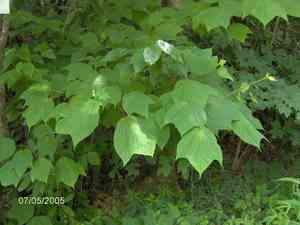
Striped maple (Acer pensylvanicum)
Also known as: Snakebark maple, Whistlewood, Pennsylvania Maple
Acer pensylvanicum, also known as the striped maple or moosewood, is indigenous to the northeastern United States and southeastern Canada. This small understory tree, typically reaching heights of 15-30 feet, flourishes in cool, moist wooded areas. Its most distinguishing feature is its green bark adorned with striking vertical white stripes. The large, three-lobed leaves showcase pink undertones in spring and transform to a vibrant yellow in autumn.
In This Article
Attributes of Striped maple
Lifespan
Perennial
Plant Type
Tree
Plant Height
5 m to 10 m
Spread
3.5 m to 6 m
Leaf Color
Green Yellow
Flower Size
2.5 cm
Flower Color
Yellow Green
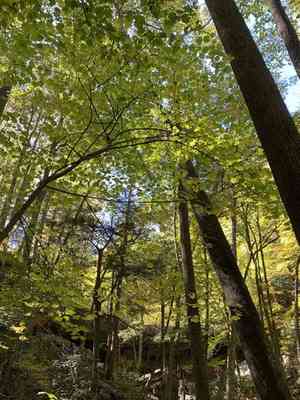
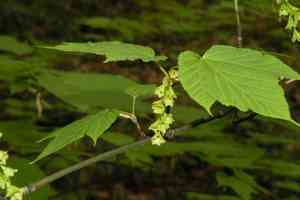
Images of Striped maple
Quickly Identify Striped maple
1
Distinctive tri-lobed leaves, 5-7 inches (13-18 cm), with serrated edges and palmate veins.
2
Bark pattern resembling snake skin, smooth texture, 15 to 25 feet (4.5 to 7.6 meters) in height.
3
1/3 inch (0.85 cm) greenish-yellow flowers in elongated 6-inch (15 cm) racemes during April-May bloom.
4
1-inch (2.5 cm) winged samaras in pendulous chains, smooth green-brown transition, wind dispersal mechanism.
5
Reddish young stems with alternating branching, 0.5-inch (1.27 cm) diameter, mature stems display white striped bark.
Scientific Classification of Striped maple
Phylum
Vascular plants
Class
Dicotyledons
Order
Sapindales
Family
Soapberry
Genus
Maples
Species
Striped maple
Planting and Growing of Striped maple
Care Difficulty
Easy
Watering Schedule
Every 4 days
Sunlight Requirements
Partial sun
Sunshine Duration
6-10 hours
Ideal Temperature
60-75℉
Soil Type
Potting Mix, Peat Mix
Soil pH
6.5-7.5
Fertilizer Type
Balanced
Pruning Season
Spring, Summer
Pruning Area
Branches, Leaves
Pruning Frequency
2 times a year
Repotting Season
Spring
Pot Type
Plastic, Ceramic
 How to Water Striped maple?
Acer pensylvanicum, commonly known as the Striped Maple, requires a generous watering amount. Ensure the soil is thoroughly soaked, allowing water to reach deep into the roots, without creating standing water which may lead to root rot.
What are the symptoms of an underwatered Striped maple?
›
What should I do if my Striped maple is not getting enough water?
›
What are the symptoms of an overwatered Striped maple?
›
How to save an overwatered Striped maple?
›
 What Are the Sunlight Requirements for Striped maple?
Acer pensylvanicum benefits from partial sun, providing moderate exposure without overburdening. Ideal light fosters strong growth, vibrant coloration, and higher resilience against pests and diseases by maintaining healthy metabolic processes.
More About Sunlight Requirements Techniques→
What is the ideal location?
›
How to adjust for seasonal changes in light?
›
What are the effects of achieving ideal light conditions?
›
 What Is the Ideal Temperature Range for Striped maple?
The ideal temperature range for Acer pensylvanicum, commonly known as the striped maple, falls between 60°F and 75°F. This range provides optimal conditions for photosynthesis, metabolic processes, and overall growth. Ensuring the plant remains within this temperature range can result in healthy foliage and robust plant development.
 What Soil is Best for Striped maple?
Acer pensylvanicum thrives in well-drained soil to prevent root rot. Ensuring good drainage can help the plant absorb optimal nutrients while keeping the roots healthy and dry. While Acer pensylvanicum prefers good drainage, it also requires soil that retains some moisture. This balance helps in maintaining consistent hydration, crucial for lush foliage. Nutrient-rich soil promotes healthy growth in Acer pensylvanicum. It ensures that the plant receives all essential minerals for development and resilience against pests.
 How to Fertilize Striped maple?
When fertilizing Acer pensylvanicum, use a balanced, water-soluble fertilizer at half strength. This ensures the plant receives adequate nutrients without overwhelming its fragile root system. For each application, dissolve the fertilizer in enough water to evenly saturate the root zone without pooling.
 How to Prune Striped maple?
Start by removing any dead or diseased wood, cutting back to healthy tissue. Next, prune crossing branches to prevent rubbing wounds. Lastly, focus on shaping the tree for optimum air circulation and natural form. If pruning in spring or summer, be aware that sap bleeding may occur, which is normal for Acer pensylvanicum. Avoid heavy pruning in midsummer when the plant is fully leafed out, to reduce stress.
More About Pruning Techniques→
 How to Propagate Striped maple plant?
1
Gather seeds from mature Acer pensylvanicum trees in the autumn. Ensure they are fully ripe by checking for a hardened seed coat, which is crucial for successful germination.
2
Select healthy, mature branches and cut sections of about 6 inches. Each cutting should have several nodes to increase the chance of rooting and healthy growth.
3
Bend a low branch to the ground and cover with soil, leaving the tip exposed. Use a stone or peg to hold it in place, allowing roots to develop while still attached to the parent plant.
 How to Repot Striped maple plant?
1
Acer pensylvanicum signals the need for repotting when roots begin growing through the drainage holes of the pot, or when the growth rate seems stunted despite ideal conditions. This typically occurs every 2 to 3 years and is best addressed in spring or early summer to coincide with its natural growth cycle. Repotting at these times ensures the plant recovers quickly and continues to thrive.
2
When selecting a pot for your Acer pensylvanicum, choose one that is 2-3 inches larger in diameter than its current container and ensure it has excellent drainage. The larger size provides ample room for root expansion, while good drainage prevents waterlogging, thus protecting the roots from rot and promoting healthy growth.
3
Acer pensylvanicum thrives in well-draining acidic soil that mimics its natural forest floor habitat. Using a soil mix composed of peat, pine bark, and perlite can provide the aeration and acidity this species prefers, helping maintain its vibrant health and encouraging lush foliage growth.



