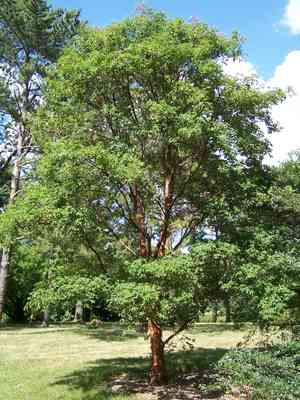
Paperbark maple (Acer griseum)
Also known as: Paperbark Maple, Chinese Paperbark Maple
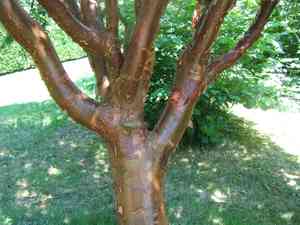
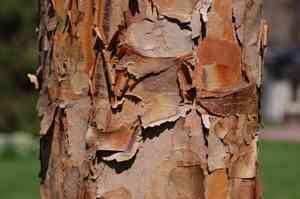
The paperbark maple is renowned for its distinctive, cinnamon-hued bark that peels away in thin, curling layers. This unique feature not only gives the tree its name but also enhances garden aesthetics during the winter months. Native to China, this ornamental tree has also earned an Award of Garden Merit.
In This Article
Attributes of Paperbark maple
Lifespan
Perennial
Plant Type
Tree
Plant Height
6 m to 9 m
Spread
5 m to 6 m
Leaf Color
Green Red Orange
Flower Size
2.5 cm
Flower Color
Yellow Green
Images of Paperbark maple
Quickly Identify Paperbark maple
1
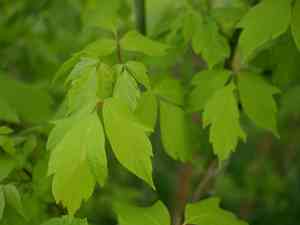
Trifoliolate compound leaves with pubescent petiole and vein axils.
2
Exfoliating bark revealing cinnamon to reddish-brown underbark.
3
Small flowers with greenish-yellow hue, inconspicuous petals, and no scent.
4
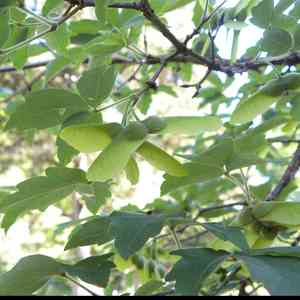
Distinctive schizocarp fruit splitting into two papery samaras resembling helicopter blades.
5
Brown to reddish-brown stem with sharply pointed buds covered in imbricate scales.
Scientific Classification of Paperbark maple
Phylum
Vascular plants
Class
Dicotyledons
Order
Sapindales
Family
Soapberry
Genus
Maples
Species
Paperbark maple
Planting and Growing of Paperbark maple
Care Difficulty
Easy
Watering Schedule
Every 3 days
Sunlight Requirements
Full sun
Sunshine Duration
4-8 hours
Ideal Temperature
60-75℉
Soil Type
Potting Mix, Peat Mix
Soil pH
6.5-7.5
Fertilizer Type
Balanced
Pruning Season
Spring, Summer
Pruning Area
Branches, Leaves
Pruning Frequency
2 times a year
Repotting Season
Spring
Pot Type
Plastic, Ceramic
 How to Water Paperbark maple?
Acer griseum, known as the paperbark maple, prefers a consistent watering routine. Water this tree until the top 2-3 inches of soil is moist but not soggy. It is important to allow the soil to dry slightly between waterings to prevent waterlogging while ensuring it remains adequately hydrated.
What are the symptoms of an underwatered Paperbark maple?
›
What should I do if my Paperbark maple is not getting enough water?
›
What are the symptoms of an overwatered Paperbark maple?
›
How to save an overwatered Paperbark maple?
›
 What Are the Sunlight Requirements for Paperbark maple?
Acer griseum flourishes in full to partial sun, providing optimal energy for photosynthesis, leading to robust growth and vibrant leaf coloration.
More About Sunlight Requirements Techniques→
What is the best light condition for Acer griseum?
›
How can you ensure Acer griseum receives ideal lighting?
›
What are the benefits of ideal lighting for Acer griseum?
›
 What Is the Ideal Temperature Range for Paperbark maple?
The ideal temperature range for Acer griseum, known as the Paperbark Maple, falls between 60°F and 75°F. Within these temperatures, the plant experiences optimal growth conditions. Leaf development and root expansion occur effectively, ensuring the tree maintains a healthy, vigorous appearance. Maintaining this temperature range is crucial for maximizing its ornamental potential, particularly the characteristic peeling bark. Consistently providing such an environment can also prevent stress or damage to the plant's physiological processes.
 What Soil is Best for Paperbark maple?
Acer griseum thrives in well-drained soil as it prevents waterlogging, which can cause root rot. Ensuring the soil has good drainage allows the roots to breathe and provides the tree with essential nutrients necessary for strong growth. This tree prefers soils with moderate fertility. Fertile soils provide adequate nutrients that support healthy growth and enable Acer griseum to develop its characteristic peeling bark and vibrant autumn foliage. While drainage is crucial, the soil should also retain some moisture to sustain the tree during dry periods. A balance helps maintain consistent growth and prevents stress from drought conditions.
 How to Fertilize Paperbark maple?
Acer griseum, or paperbark maple, benefits from a balanced fertilizer. During its growing season, provide a half-strength liquid fertilizer every two weeks. Aim for a nitrogen-rich mix that encourages leaf development without overloading the plant. Solid fertilizers should be used sparingly, about three times a year, as these help with long-term nutritional stability.
 How to Prune Paperbark maple?
Begin by removing dead, diseased, or damaged branches. This clears the way to see the tree's structure and focus on maintaining its natural shape. Look for branches that cross or compete with others and remove the less desirable ones. Thinning the crown of the Acer griseum improves light penetration and air circulation. This helps to reduce the risk of fungal diseases and promotes the health of interior branches. Remove smaller, crowded branches back to the point of origin.
More About Pruning Techniques→
 How to Propagate Paperbark maple plant?
1
Gather the seeds from mature Acer griseum trees in autumn when they are fully developed. Store them in a cool, dry place until you are ready to sow.
2
Use well-draining soil mixed with sand to increase aeration. Fill seed trays or pots with this mixture, ensuring it is moist but not waterlogged.
3
Sow the seeds about 1 cm deep in the prepared soil in early spring. Cover lightly with soil and keep the humidity high to encourage germination.
 How to Repot Paperbark maple plant?
1
The ideal signal for repotting Acer griseum is when you notice roots growing out of the drainage holes, or if the growth seems stunted. Additionally, spring and autumn offer moderate temperatures and allow the tree ample time to recover and establish its roots in new soil.
2
Choose a pot slightly larger than the previous one, ensuring it has adequate drainage holes to prevent waterlogging. The larger size will accommodate root growth without causing water retention, thus keeping the roots healthy.
3
Opt for well-draining loam soil enriched with organic matter to ensure proper aeration and nutrient retention. This soil type strikes a balance between moisture retention and drainage, providing optimal conditions for Acer griseum roots.



