Ivyleaf maple(Acer cissifolium)

Ivyleaf maple (Acer cissifolium)

Also known as: Vine-leaved Maple, Ivy-leaved Maple

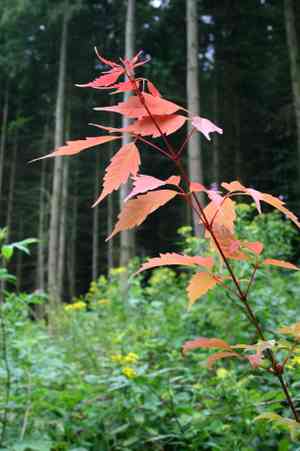
This plant is a deciduous small tree or large shrub that typically reaches heights of 5 to 10 meters, occasionally up to 15 meters. It features smooth grey bark, and its young shoots start off green with a pinkish tint and are covered in fine whitish hairs, turning grey by the second year. The leaves are trifoliate, connected by a slender red petiole up to 10 cm long. Each of the three leaflets measures 4 to 10 cm in length and 2 to 4 cm in width, with 1 to 2 cm long petiolules and coarsely serrated edges. The flowers grow in hanging clusters 10 to 16 cm long, each consisting of four sepals and petals. The fruit is a paired samara, with nutlets that are 7 mm long and wings that are 1.5 to 2.5 cm long, arranged at an acute angle.

Attributes of Ivyleaf maple

Lifespan
Perennial
Plant Type
Tree
Plant Height
6 m to 9 m
Spread
6 m to 9 m
Leaf Color
Yellow Red Green Bronze
Flower Size
Approximately 0.5 cm
Flower Color
Yellow

ForwardPlant - Identify plants with a snap

Identify and diagnose plants, get toxicity alerts, and explore safety guides for all types of fungi.

Try for Free

Images of Ivyleaf maple

Ivyleaf maple(Acer cissifolium)

Quickly Identify Ivyleaf maple

1
Opposite trifoliate leaves with Zelkova-like serrations
2
Fragrant yellow pendant raceme flowers in spring
3
Smooth gray bark with occasional fissures
4
Initial reddish-purple stem transitioning to gray-brown
5
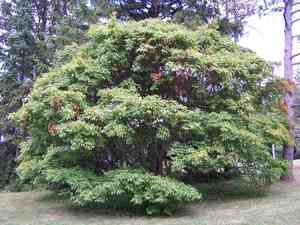
Upright growth with widening globose canopy

Scientific Classification of Ivyleaf maple

Phylum
Vascular plants
Class
Dicotyledons
Order
Sapindales
Family
Soapberry
Genus
Maples
Species
Ivyleaf maple

Planting and Growing of Ivyleaf maple

Care Difficulty
Moderate
Watering Schedule
Every 2 days
Sunlight Requirements
Partial sun
Sunshine Duration
4-8 hours
Ideal Temperature
60-75℉
Soil Type
Potting Mix, Peat Mix
Soil pH
6.5-7.5
Fertilizer Type
Balanced
Pruning Season
Spring, Summer
Pruning Area
Branches, Leaves
Pruning Frequency
2 times a year
Repotting Season
Spring
Pot Type
Plastic, Ceramic

water icon How to Water Ivyleaf maple?

For Acer cissifolium, it's essential to maintain a balanced moisture level in the soil. Watering should saturate the soil but avoid waterlogging. A consistent 500 ml per session is ideal to reach the roots without causing excess moisture accumulation.
What are the symptoms of an underwatered Ivyleaf maple?
What should I do if my Ivyleaf maple is not getting enough water?
What are the symptoms of an overwatered Ivyleaf maple?
How to save an overwatered Ivyleaf maple?

sunlight icon What Are the Sunlight Requirements for Ivyleaf maple?

Sunlight Requirements: Partial sun, Full shade
Duration of light: 2-6 hours daily
Acer cissifolium prefers conditions ranging from partial sun to full shade. The ideal light helps maintain vibrant foliage color and prevents the risks associated with both excessive and insufficient light exposure.
Optimal Light Exposure
Solutions for Ideal Light
Benefits of Ideal Light

temperature icon What Is the Ideal Temperature Range for Ivyleaf maple?

Ideal Temperature: 60 ~ 75℉
For optimal growth, Acer cissifolium thrives in temperatures ranging from 60°F to 75°F. This range ensures the plant has enough warmth for proper metabolic activities while not being too hot to stress the foliage. Consistent temperatures within this range facilitate healthy growth and productivity. Maintaining within the ideal range helps protect against leaf scorch or slowed growth associated with inappropriate temperature levels.

soil icon What Soil is Best for Ivyleaf maple?

Soil type: Loam, Sandy loam
Soil PH: 6.5 ~ 7.5
Acer cissifolium thrives in soils that have excellent moisture retention qualities. This aspect ensures that the plant remains hydrated, reducing stress and promoting a robust growth cycle. The plant demands a nutrient-rich environment, aiding in its beautiful foliage and overall health. A nutrient-dense soil supports lush leaf development and strong root structures. Proper aeration is vital for Acer cissifolium, as it allows oxygen to reach the roots, ensuring efficient nutrient uptake and preventing root rot, thus maintaining the plant's health.

fertilize icon How to Fertilize Ivyleaf maple?

Fertilizer type: Balanced
Acer cissifolium thrives on a balanced diet of nutrients to maintain its lush foliage and robust growth. For liquid fertilizers, mix the solution to deliver approximately 100 ppm of nitrogen per application. For slow-release fertilizers, use about 1 pound per 100 square feet annually.

prune icon How to Prune Ivyleaf maple?

Pruning Time: Spring, Winter
Begin by inspecting the tree and identify any dead or damaged branches. These should be removed first to prevent any disease spread and improve airflow through the plant's canopy. Trim the branches to maintain a pleasing shape, allowing the natural structure of the tree to guide you. Aim for an open structure with good airflow, as dense canopies can invite pests and diseases. Thinning the crown by removing crowded or crossing branches will promote healthy growth. This practice increases sunlight penetration and airflow, reducing the risk of disease and improving photosynthesis. More About Pruning Techniques

propagate icon How to Propagate Ivyleaf maple plant?

Propagate Time: Spring, Early summer, Autumn
1
Harvest mature seeds from Acer cissifolium in the autumn. Ensure seeds are collected from healthy, disease-free plants to improve germination rates.
2
Select a healthy branch for cuttings in late spring. Ensure the cutting is about 4-6 inches long, with at least two nodes, and remove any flowers or immature leaves.
3
For grafting, choose compatible rootstock and ensure both scion and rootstock have matched cambium layers. Use grafting tape to secure the union and monitor for successful adhesion.
More About Propagating Techniques

repot icon How to Repot Ivyleaf maple plant?

Repotting frequency: Every 2-3 years
1
You should consider repotting Acer cissifolium when you notice roots emerging from the drainage holes, which indicates root congestion. Alternatively, if the plant appears to outgrow its current pot, it’s time for a change. Typically, this occurs every 2-3 years.
2
Opt for a pot that is 2-4 inches wider in diameter than the current one, with sufficient drainage holes. This ensures that your Acer cissifolium has ample room to grow and prevents waterlogged soil, which can lead to root rot.
3
A well-draining loamy mix is essential for Acer cissifolium as it prevents root rot by allowing excess water to escape. Incorporate organic matter to retain nutrients and enhance soil structure, promoting robust growth.

ForwardPlant - Identify plants with a snap

Find the best spots for them to optimize their health, simply using your phone.

Try for Free