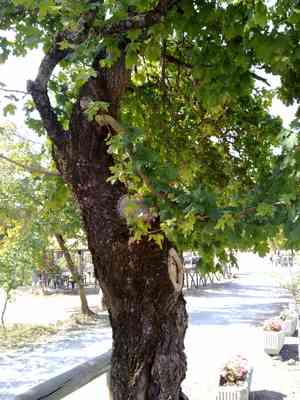
Field maple (Acer campestre)
Also known as: Field Maple, Common Maple
Field maple (Acer campestre), a deciduous tree native to Europe and western Asia, thrives in plains, hilly areas, and near rivers. Often planted as an ornamental tree in parks and gardens, its wood is prized for several uses. It is commonly used in the creation of furniture, detailed woodturning projects, and durable flooring. Additionally, field maple wood is sometimes utilized in crafting parts of musical instruments.
In This Article
Attributes of Field maple
Lifespan
Perennial
Plant Type
Tree, Shrub
Plant Height
8 m to 11 m
Spread
8 m to 11 m
Leaf Color
Green Yellow Red Orange
Flower Size
5 cm to 8 cm
Flower Color
Green Yellow
Images of Field maple
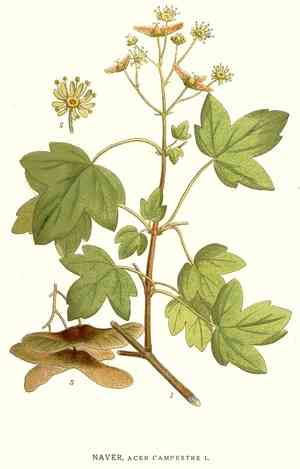
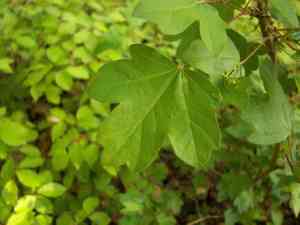
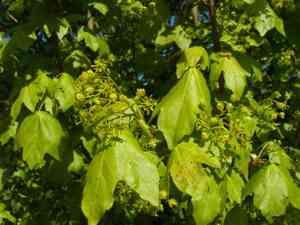
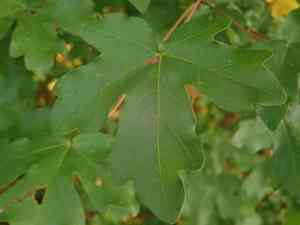
Quickly Identify Field maple
1
Leaves: Opposite, simple, lobed, pubescent beneath, milky sap, 2-4 inches (5-10 cm) long.
2
Fruit: Schizocarp with two horizontal samaras, nutlet covered in fine hairs, light to medium brown.
3
Stem: Glabrous, light brown with corky fissures, terminal buds pubescent, lenticels prominent.
4
Bark: Shallow ridges, dark grey over time, rough texture, corky ridges, 20-30 inches (50-75 cm) diameter.
5
Flower: Small, green, 0.1-0.2 inches (2-5 mm), unscented, inconspicuous, blooms from May to June.
Scientific Classification of Field maple
Phylum
Vascular plants
Class
Dicotyledons
Order
Maples, mangos, mahogany, citrus, and allies
Family
Soapberry
Genus
Maples
Species
Field maple
Planting and Growing of Field maple
Care Difficulty
Easy
Watering Schedule
Every 3 days
Sunlight Requirements
Full sun
Sunshine Duration
4-8 hours
Ideal Temperature
59-77℉
Soil Type
Potting Mix, Peat Mix
Soil pH
6.5-7.5
Fertilizer Type
Balanced
Pruning Season
Spring, Summer
Pruning Area
Branches, Leaves
Pruning Frequency
2 times a year
Repotting Season
Spring
Pot Type
Plastic, Ceramic
 How to Water Field maple?
For Acer campestre, the watering should be generous but careful. Water enough so that the soil is thoroughly moist, reaching about 1000 milliliters per session. Make sure the water reaches deep into the soil to encourage deep root growth, without causing waterlogging.
More About Watering Techniques→
What are the symptoms of an underwatered Field maple?
›
What should I do if my Field maple is not getting enough water?
›
What are the symptoms of an overwatered Field maple?
›
How to save an overwatered Field maple?
›
 What Are the Sunlight Requirements for Field maple?
Acer campestre prefers six to eight hours of full to partial sun daily. Adequate light exposure significantly benefits foliage density, color vibrancy, and overall plant vigor, maximizing its ornamental appearance.
More About Sunlight Requirements Techniques→
How much sunlight does Acer campestre need?
›
Can Acer campestre grow in partial sun?
›
How to achieve ideal lighting for Acer campestre?
›
 What Is the Ideal Temperature Range for Field maple?
The optimal temperature range for Acer campestre is between 59°F and 77°F. In this range, the plant can engage in effective photosynthesis and maintain metabolic balance, promoting healthy growth. Maintaining consistent temperatures within this range helps ensure proper leaf production and root development.
 What Soil is Best for Field maple?
Acer campestre thrives in soils that have good drainage. Ensuring that water doesn’t stagnate around the roots is crucial, as excessive moisture can lead to root rot and other diseases. Proper drainage promotes healthy root growth and optimum nutrient uptake. While Acer campestre needs well-drained soil, it also benefits from soil that retains some moisture. This balance helps the plant during dry periods and ensures that it receives the necessary hydration without waterlogging issues. This plant prefers nutrient-rich soils, which provide the essential minerals and organic matter needed for growth and vitality. Regular incorporation of compost or organic matter enriches the soil and enhances microbial activity that is beneficial for Acer campestre.
More About Soil→
 How to Fertilize Field maple?
Acer campestre, or Field Maple, requires a balanced approach to fertilization. Mix a balanced slow-release fertilizer at a rate of 50 to 100 grams per square meter during early spring. Ensure the fertilizer is evenly dispersed around the base without directly contacting the trunk to avoid scorching.
More About Fertilizing Techniques→
 How to Prune Field maple?
Begin by removing any dead, damaged, or diseased branches. This will promote better airflow and reduce the likelihood of disease spreading. Cut these branches back to where healthy growth appears or remove them entirely if necessary. Identify areas where branches are clumping together, as this restricts air flow. Thin these out by selecting a few branches for removal. This helps in creating a balanced structure and encourages new, healthy growth. For Acer campestre, shaping is important to maintain a pleasing aesthetic. Focus on cutting back branches that disrupt the natural shape. Aim to form a canopy that allows sunlight to reach the lower branches, promoting even growth. Always make precise, clean cuts at an angle to encourage healing. This minimizes the risk of decay entering the cuts. A smooth cut surface heals more efficiently, reducing the stress on the tree while enhancing its overall appearance.
More About Pruning Techniques→
 How to Propagate Field maple plant?
1
Collect seeds from mature Acer campestre in late autumn. Ensure seeds are fully ripened and dried before storing them in a cool, dry place until spring planting.
2
In early spring, take 4-6 inch cuttings from healthy, disease-free branches. Ensure the cutting includes a node, as this is where roots will develop.
3
For grafting, select compatible rootstocks and prepare scions in late winter. Secure the scion to the rootstock using grafting tape, ensuring good contact for successful growth.
 How to Repot Field maple plant?
1
Watch for roots emerging from the drainage holes or the soil becoming compacted. These are clear signals that your Acer campestre needs repotting. Ideally, choose a cool day in spring or autumn when the plant is less stressed by temperature extremes.
2
Select a pot that is just one size larger than the current one. It should have ample drainage holes to prevent waterlogging. A slightly larger pot gives the roots room to grow without overwhelming the plant, promoting healthier development.
3
Opt for a well-draining loamy soil mix. This will ensure adequate moisture retention while preventing water from pooling at the roots. Such soil supports nutrient uptake efficiently and maintains a healthy root environment.



