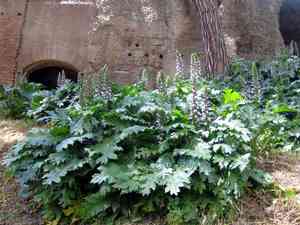
Bear's breech (Acanthus mollis)
Also known as: Oyster plant
Bear's breech (Acanthus mollis) is a perennial plant indigenous to the Mediterranean area, spanning from Portugal to North Africa. It naturally thrives in the wild and is popular in gardens. Historically, its distinct acanthus leaves have been depicted in various sculptures, architectural columns, and furniture designs.
In This Article
Attributes of Bear's breech
Lifespan
Perennial, Annual
Plant Type
Herb
Plant Height
30 cm to 1.8 m
Spread
60 cm to 90 cm
Leaf Color
Green Yellow White
Flower Size
2.5 cm to 8 cm
Flower Color
White Pink Purple
Images of Bear's breech
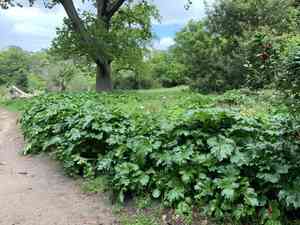
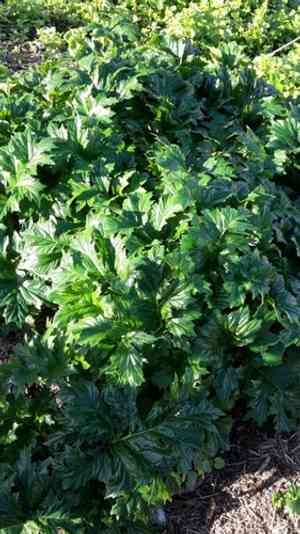
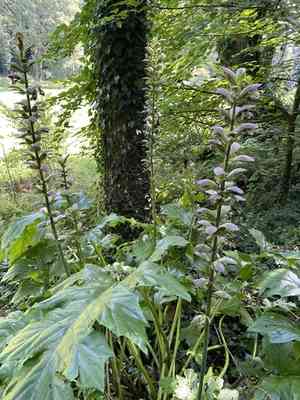
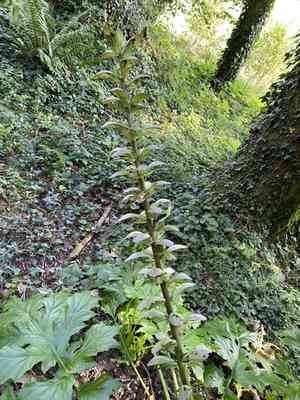
Quickly Identify Bear's breech
1
Deeply lobed dark green leaves with shiny texture, up to 24 inches (0.6 meters) long.
2
White to light pink flowers with tubular shape, surrounded by spiny green or purplish bracts.
3
Fruit is green oval capsule, 1-2 inches (2.5-5 cm) long, splitting open to release dark seeds.
4
Flowers bloom May-July, 2 inches (5 cm) long, with purple upper lip and white lower lip.
5
Vertical spikes of blooms can reach 4-6 feet (1.2-1.8 meters) in height during spring/early summer.
Scientific Classification of Bear's breech
Phylum
Vascular plants
Class
Dicotyledons
Order
Lamiales
Family
Acanthus
Genus
Acanthus
Species
Bear's breech
Planting and Growing of Bear's breech
Care Difficulty
Easy
Watering Schedule
Every 2 days
Sunlight Requirements
Partial sun
Sunshine Duration
4-8 hours
Ideal Temperature
60-75℉
Soil Type
Potting Mix, Peat Mix
Soil pH
6.5-7.5
Fertilizer Type
Balanced
Pruning Season
Spring, Summer
Pruning Area
Branches, Leaves
Pruning Frequency
2 times a year
Repotting Season
Spring
Pot Type
Plastic, Ceramic
 How to Water Bear's breech?
Acanthus mollis requires moderate watering, around 500 ml per session, ensuring the soil is evenly moist but never soggy. This amount strikes a balance to prevent root rot, supporting healthy growth and lush foliage. Water until it's adequately soaked but not oversaturated.
More About Watering Techniques→
What are the symptoms of an underwatered Bear's breech?
›
What should I do if my Bear's breech is not getting enough water?
›
What are the symptoms of an overwatered Bear's breech?
›
How to save an overwatered Bear's breech?
›
 What Are the Sunlight Requirements for Bear's breech?
Partial sun to full shade is ideal for Acanthus mollis, as it balances light reception while preventing overheating. Proper light conditions encourage healthy growth and robust flowering.
More About Sunlight Requirements Techniques→
Q1: What is the ideal sunlight requirement for Acanthus mollis?
›
Q2: How can you achieve ideal lighting conditions?
›
Q3: What are the benefits of achieving ideal lighting?
›
 What Is the Ideal Temperature Range for Bear's breech?
The ideal temperature range for Acanthus mollis, also known as Bear's Breeches, is between 60°F and 75°F. This range supports comprehensive growth, ensuring that the plant thrives and develops lush foliage without stress. Providing a stable environment within this range allows the plant to efficiently photosynthesize, leading to robust health and vitality.
 What Soil is Best for Bear's breech?
Acanthus mollis thrives in well-drained soil to prevent root rot. Adequate drainage ensures that the roots get enough oxygen and nutrients, fostering healthy growth and vibrant foliage. Rich, fertile soil packed with organic matter like compost improves plant vigor. Nutrient-dense soil provides Acanthus mollis the necessary minerals and nutrients for optimal growth and lush, green leaves. While good drainage is vital, Acanthus mollis also benefits from soil that retains some moisture. This balance helps maintain consistent hydration while avoiding waterlogging, promoting steady growth.
More About Soil→
 How to Fertilize Bear's breech?
For Acanthus mollis, the ideal fertilizer amount is generally light. Use a balanced 10-10-10 liquid fertilizer diluted to half strength, applying about one teaspoon per gallon of water. This promotes steady growth without overwhelming the plant with nutrients.
More About Fertilizing Techniques→
 How to Prune Bear's breech?
Acanthus mollis has spiny leaves that can cause minor skin irritation, so it’s advisable to wear gloves and protective clothing when pruning. Always ensure your pruning tools are sterilized before and after use to prevent disease spread. Be mindful of the plant's natural spreading tendency; regular and careful pruning can help manage its growth and prevent it from overtaking garden spaces. Moreover, after pruning, the plant may go through a slight shock, so avoid overwatering during this period, as the root system needs time to adjust.
More About Pruning Techniques→
 How to Propagate Bear's breech plant?
1
Collect seeds from mature Acanthus mollis plants in late summer or early autumn. Sow the seeds directly into the garden in a prepared seedbed, placing them at approximately half an inch deep. Water the area well to initiate germination.
2
In early spring or autumn, carefully dig up a mature Acanthus mollis plant. Use a garden knife or spade to divide the root clump into sections, ensuring each has a significant portion of roots. Replant divisions immediately in prepared ground and water them thoroughly.
3
Before planting seeds or divisions, select a partially shaded location with well-draining soil. Amend the soil with organic matter to improve fertility and drainage, creating an ideal environment for the new plants to thrive.
 How to Repot Bear's breech plant?
1
Acanthus mollis shows it needs repotting when you notice roots beginning to emerge from the drainage holes, or if the plant seems stunted despite proper care. Ideally, repot in early spring when the plant begins its active growth phase, so it can recover quickly from any inevitable root disturbance.
2
Select a pot that is 2 inches larger in diameter than the current one, ensuring it's deep enough to accommodate the robust root system of Acanthus mollis. The pot should have ample drainage holes, preventing waterlogged soil which can lead to root rot. This setup encourages healthy root growth and sustains plant vigor.
3
Opt for a rich, well-draining potting mix that can retain some moisture but still allows excess water to flow out. Incorporate organic matter such as compost or coco coir, which provides vital nutrients while maintaining a light, fluffy texture that supports robust growth and adequate aeration.
Learn More About Bear's breech Diseases
Anthracnose
Bacterial Leaf Spot
Bacterial Soft Rot
Crown Gall
Cyst Nematode
Damping-off
Downy Mildew
Drought Stress
Fusarium Wilt
Gray Mold
Leaf Curl
Leaf Spot
Mosaic
Nutrient Deficiency
Nutrient Toxicity
Powdery Mildew
Root Rot
Root-knot Nematode
Rusts
Sooty Mold
Spider Mites
Temperature Stress
Thrips Damage
White Mold



