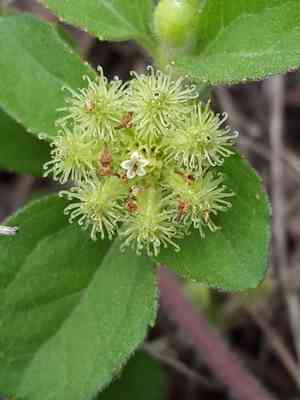
Paraguayan starbur (Acanthospermum australe)
Also known as: Spiny bur, Paraguayan starburr
**Acanthospermum australe**, commonly known by various names such as Paraguayan starburr, Ihi kukae hipa, Sheepbur, Paraguay bur, and Spiny-bur, is a herbaceous plant species native to South America. It was first identified and described in 1758.
In This Article
Attributes of Paraguayan starbur
Lifespan
Annual, Perennial
Plant Type
Herb
Plant Height
10-30 cm
Spread
20-50 cm
Leaf Color
Green
Flower Size
1-2 cm
Flower Color
Yellow
Images of Paraguayan starbur
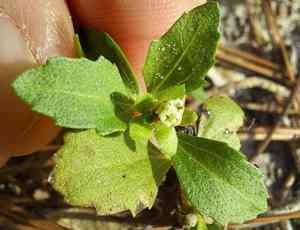
Quickly Identify Paraguayan starbur
1
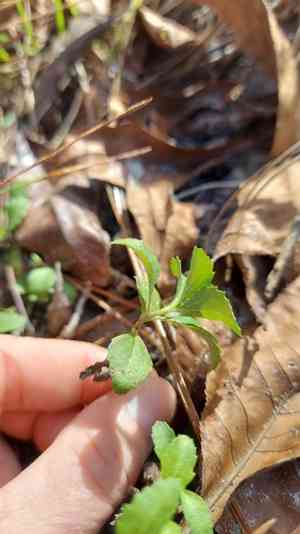
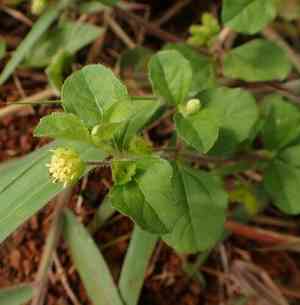
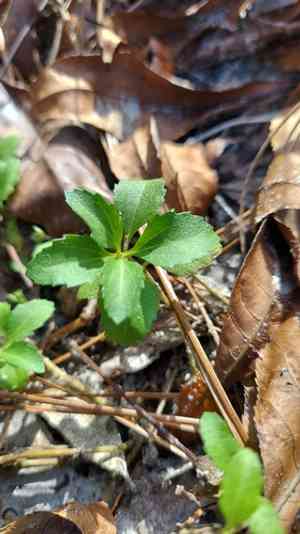
The plant can be identified by its spreading habit, distinctive star-shaped burs (which are its fruits), and yellow, daisy-like flowers. The leaves are opposite, ovate to elliptic, and coarsely toothed.
Scientific Classification of Paraguayan starbur
Phylum
Vascular plants
Class
Dicotyledons
Order
Asterales
Family
Daisy
Genus
Starburs
Species
Paraguayan starbur
Planting and Growing of Paraguayan starbur
Care Difficulty
Easy
Watering Schedule
Every 2 days
Sunlight Requirements
Full sun
Sunshine Duration
4-8 hours
Ideal Temperature
64-75℉
Soil Type
Potting Mix, Peat Mix
Soil pH
6.5-7.5
Fertilizer Type
Balanced
Pruning Season
Spring, Summer
Pruning Area
Branches, Leaves
Pruning Frequency
2 times a year
Repotting Season
Spring
Pot Type
Plastic, Ceramic
 How to Water Paraguayan starbur?
When watering Acanthospermum australe, ensure the soil is evenly moist but not soggy. A general rule of thumb is to water enough so that about 500 ml is applied to each pot, allowing the water to soak through the soil and reach the roots without waterlogging.
What are the symptoms of an underwatered Paraguayan starbur?
›
What should I do if my Paraguayan starbur is not getting enough water?
›
What are the symptoms of an overwatered Paraguayan starbur?
›
How to save an overwatered Paraguayan starbur?
›
 What Are the Sunlight Requirements for Paraguayan starbur?
Achieving ideal light conditions using a combination of full and partial sun allows Acanthospermum australe to maximize its growth potential and enhances its flowering and leaf coloration.
How much sunlight does Acanthospermum australe need?
›
Where should I position Acanthospermum australe for best sunlight?
›
What happens if Acanthospermum australe gets ideal sunlight?
›
 What Is the Ideal Temperature Range for Paraguayan starbur?
Acanthospermum australe thrives best in temperatures ranging from 64°F to 75°F. This range ensures optimal photosynthesis and growth, providing the plant with the warmth it needs without the stress of overheating. Maintaining stable temperatures within this range can help achieve lush foliage and abundant flowering.
 What Soil is Best for Paraguayan starbur?
Acanthospermum australe thrives in soils with a rich composition of essential nutrients. The presence of organic matter enhances growth by providing a readily available source of nitrogen, phosphorus, and potassium, which are crucial for its development. Excellent drainage is vital for Acanthospermum australe, as it prevents waterlogging and root rot. Sandy soil offers the best option due to its natural ability to facilitate fast water movement, ensuring the roots remain healthy. A well-aerated soil with a crumbly texture allows Acanthospermum australe's root system to expand easily. Loamy soil provides this texture, offering enough space for roots to access air, nutrients, and water efficiently.
 How to Fertilize Paraguayan starbur?
Acanthospermum australe is a relatively low-demand plant when it comes to fertilizers. Use about 1/2 teaspoon of balanced liquid fertilizer per gallon of water monthly. For slow-release types, apply at a rate of 1 tablespoon per square foot during the growing season.
 How to Prune Paraguayan starbur?
Begin by identifying and removing any dead or damaged stems. This will redirect the plant's energy to healthier areas. Cut close to the base but ensure you don't damage the surrounding stems. Trim the stems to shape the plant, ensuring a rounded and even appearance. This encourages a dense and bushy form. Always cut above a leaf node to promote new growth from that point. Ensure you prune enough to maintain airflow through the plant. This is crucial in avoiding fungal diseases. Remove some of the denser growth if necessary to allow light and air to penetrate the plant's center.
More About Pruning Techniques→
 How to Propagate Paraguayan starbur plant?
1
Begin by acquiring fresh seeds that have been collected from mature Acanthospermum australe plants. These seeds should be thoroughly dried and stored properly until you're ready to use them. When planting, soak seeds overnight to soften the outer shell, which can increase germination rates.
2
Select a healthy stem from the parent plant, ideally one that is neither too young nor too woody. Use sharp, sterilized pruners to cut a section of about 10-15 centimeters. Remove lower leaves and any flowers to minimize stress and energy loss as the cutting focuses on rooting.
3
Place either the seeds or the prepared cuttings in a potting mix that is well-draining but retains enough moisture. For seeds, lightly cover them with soil. Ensure they are positioned in a location with indirect sunlight and maintain consistent moisture levels without oversaturating.
 How to Repot Paraguayan starbur plant?
1
Acanthospermum australe signals the need for repotting when you notice stunted growth or roots poking out of the drainage holes. Spring or summer is ideal due to the plant's active growth period, allowing it to establish in the new pot effectively.
2
Select a pot that is one size larger than the current one with ample drainage holes. This prevents waterlogging, reducing the risk of root rot while giving roots enough space to expand comfortably.
3
Use a well-draining sandy mix to ensure proper water flow. This soil type mimics the plant's natural habitat, preventing water retention that could lead to root rot and other fungal issues.
Toxicity
Ingestion, Contact with skin
WARNING
The judgment on toxicity and danger is for reference only. We DO NOT GUARANTEE any accuracy of such judgment. Therefore, you SHALL NOT rely on such judgment. It is IMPORTANT TO SEEK PROFESSIONAL ADVICE in advance when necessary.



