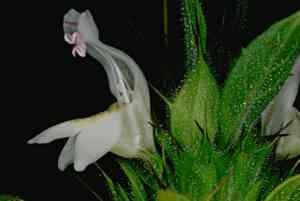
Santa clara thorn-mint (Acanthomintha lanceolata)
Also known as: San Benito Mountain jewelflower
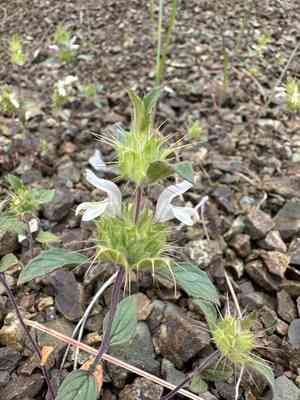
The Santa Clara thorn-mint is a rare and delicate wildflower characterized by its spear-shaped leaves and clusters of small white flowers arranged in whorls. Its bristly calyxes give it a soft, spiky look. This plant thrives in specific grassland ecosystems in California, where it is well-adapted to the seasonal conditions and holds the soil firmly, helping to prevent erosion.
In This Article
Attributes of Santa clara thorn-mint
Lifespan
Annual
Plant Type
Herb
Plant Height
30-60 cm
Spread
Approximately 30-60 cm
Leaf Color
Green
Flower Size
1-2 cm
Flower Color
White to pink
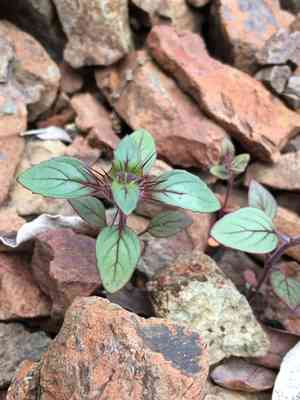
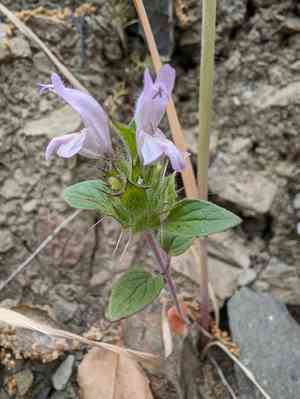
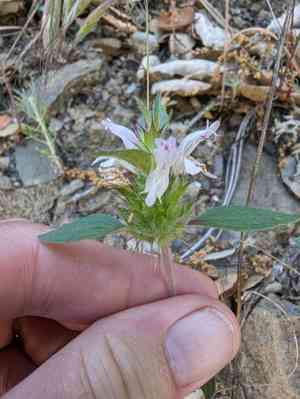
Images of Santa clara thorn-mint
Quickly Identify Santa clara thorn-mint
1
Acanthomintha lanceolata can be identified by its lance-shaped leaves with glandular hairs, its white to pink flowers with tubular shapes, and its overall bushy appearance. The flower bracts are often spine-tipped.
Scientific Classification of Santa clara thorn-mint
Phylum
Vascular plants
Class
Dicotyledons
Order
Lamiales
Family
Mint
Genus
Thorn-mint
Species
Santa clara thorn-mint
Planting and Growing of Santa clara thorn-mint
Care Difficulty
Moderate
Watering Schedule
Every 2 days
Sunlight Requirements
Full sun
Sunshine Duration
4-8 hours
Ideal Temperature
65-75℉
Soil Type
Potting Mix, Peat Mix
Soil pH
6.5-7.5
Fertilizer Type
Balanced
Pruning Season
Spring, Summer
Pruning Area
Branches, Leaves
Pruning Frequency
2 times a year
Repotting Season
Spring
Pot Type
Plastic, Terracotta
 How to Water Santa clara thorn-mint?
Acanthomintha lanceolata prefers modest watering. Provide around 200 ml of water per session, ensuring the soil is moist but never soggy. Water should reach all parts of the root zone, without pooling on the surface. This balance helps maintain the plant's natural environment.
What are the symptoms of an underwatered Santa clara thorn-mint?
›
What should I do if my Santa clara thorn-mint is not getting enough water?
›
What are the symptoms of an overwatered Santa clara thorn-mint?
›
How to save an overwatered Santa clara thorn-mint?
›
 What Are the Sunlight Requirements for Santa clara thorn-mint?
For Acanthomintha lanceolata, full sun exposure is ideal. This environment enhances the plant's photosynthetic capacity, resulting in lush foliage and abundant, healthy flowering.
Optimal Sunlight Exposure
›
Shade Management
›
Seasonal Adjustments
›
 What Is the Ideal Temperature Range for Santa clara thorn-mint?
The ideal temperature for growing Acanthomintha lanceolata is between 65°F and 75°F. This range supports optimal growth and flowering conditions for the plant, ensuring it receives the warmth it requires without overheating.
 What Soil is Best for Santa clara thorn-mint?
Acanthomintha lanceolata thrives in well-drained soil conditions, which are essential for preventing root rot. Adequate drainage ensures the plant's roots receive the right amount of oxygen and reduces the risk of disease. This plant benefits from soil rich in organic matter, providing necessary nutrients that promote healthy growth and flowering. Incorporating compost can significantly enhance the soil's fertility. While the soil should not be too wet, maintaining moderate moisture levels is crucial for Acanthomintha lanceolata. This balance supports steady growth without exposing the roots to saturation.
 How to Fertilize Santa clara thorn-mint?
For Acanthomintha lanceolata, use a balanced liquid fertilizer diluted to half strength, around 1 teaspoon per gallon of water. Apply the fertilizer evenly across the soil to ensure all roots receive nutrients.
 How to Prune Santa clara thorn-mint?
Start by identifying and removing any dead or diseased branches. This step ensures the plant's energy is directed towards healthy growth and reduces the risk of disease spread. Trim back any unruly or excessively long branches to maintain a pleasing shape. Work mindfully to ensure you do not destroy the plant's natural form while keeping its appearance tidy and balanced. Make cuts just above a leaf node when pruning. This technique encourages new growth from the node, leading to a bushier plant. Sharp, clean cuts will promote quicker healing. After pruning, water the plant well and consider using a gentle fertilizer to support recovery and encourage new growth. Monitor the plant closely for any signs of stress or disease.
More About Pruning Techniques→
 How to Propagate Santa clara thorn-mint plant?
1
Use a well-drained seed-starting mix. Moisten the mix thoroughly but ensure it's not waterlogged to create the right conditions for seeds to sprout.
2
Spread the seeds evenly over the soil surface and cover them lightly with a thin layer of soil mix. Seeds require light to germinate, so avoid burying them too deeply.
3
Cover the seed tray with a clear plastic cover or a plastic wrap to maintain humidity. Ensure the soil remains consistently moist but not overly wet.
 How to Repot Santa clara thorn-mint plant?
1
Look for signals like slowed growth, roots appearing at the surface, or when the current pot feels heavy even when dry. These are clear signs that it's time to repot your Acanthomintha lanceolata. The right timing helps the plant adapt and flourish in its new container.
2
Select a pot that is about 1-2 inches larger in diameter than the current one. It should have drainage holes to prevent waterlogging. Using a properly sized pot ensures room for growth and reduces the risk of root rot caused by excess moisture.
3
Opt for well-draining sandy loam soil to provide the right balance of moisture retention and aeration. This soil type keeps the roots healthy by preventing water from accumulating, which can lead to root diseases or even plant death.


