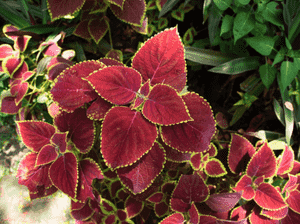
Copperleaf (Acalypha wilkesiana)
Also known as: Beefsteak plant, Wilkes' acalypha
Croton (Codiaeum variegatum) is an evergreen shrub originally from the Pacific Islands. Known for its vibrant and colorful foliage, Croton is widely cultivated for ornamental purposes. It is especially favored in Florida, USA.
Attributes of Copperleaf
Images of Copperleaf
Quickly Identify Copperleaf
Scientific Classification of Copperleaf
Planting and Growing of Copperleaf
 How to Water Copperleaf?
 What Are the Sunlight Requirements for Copperleaf?
 What Is the Ideal Temperature Range for Copperleaf?
 What Soil is Best for Copperleaf?
 How to Fertilize Copperleaf?
 How to Prune Copperleaf?
 How to Propagate Copperleaf plant?
 How to Repot Copperleaf plant?
Toxicity of Copperleaf
Is Copperleaf toxic to humans?
Copperleaf is a poisonous plant that can trigger adverse reactions in humans upon ingestion or contact. Engaging in these activities may lead to mild yet bothersome symptoms. Ingesting any portion of the plant can induce diarrhea, nausea, and vomiting, whereas touching the sap may cause dermatitis and irritation. This intriguing plant can be particularly appealing to children when found in ornamental gardens close to residences, who might pick and consume its parts without recognizing the risks.
Is Copperleaf toxic to cat?
Copperleaf possesses mild toxicity for cats, potentially causing poisoning upon excessive ingestion. Every component of this plant is toxic. If a cat consumes any part of the copperleaf, it may exhibit signs of physical discomfort or illness. It is crucial to seek prompt veterinary assistance if a cat demonstrates any indications of distress after coming into contact with copperleaf, to safeguard their health and welfare.
Is Copperleaf toxic to dog?
Copperleaf presents a mild toxicity risk for dogs. Poisoning generally happens when a dog ingests the plant in significant quantities. All components of copperleaf are regarded as toxic, indicating that the consumption of any part—including leaves, stems, or flowers—can result in harmful health effects for dogs. Symptoms of this poisoning may include gastrointestinal distress, vomiting, and diarrhea. Given the risk of poisoning from copperleaf, it is vital for dog owners to vigilantly supervise their pets and restrict access to this plant. If there is any suspicion that a dog has consumed copperleaf, seeking immediate veterinary attention is crucial to ensure swift treatment and reduce any associated risks.



