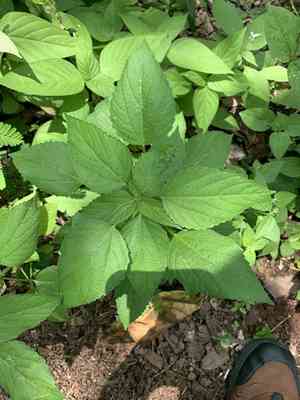
Toothed bract indian copperleaf (Acalypha lanceolata)
Also known as: Lanceleaf Three-seed Mercury, Acalypha, Three-seeded Mercury
The Toothed Bract Indian Copperleaf is characterized by its elongated leaves with pointed tips, resembling slender lance heads. This shrub flourishes in warm, tropical climates and often produces small, inconspicuous flowers. It boasts a robust, bushy growth habit, which helps it compete effectively for sunlight and nutrients in its environment.
In This Article
Attributes of Toothed bract indian copperleaf
Lifespan
Annual
Plant Type
Herb
Plant Height
40 cm to 70 cm
Spread
50-100 cm
Leaf Color
Green
Flower Size
1 cm to 2.5 cm
Flower Color
White Green
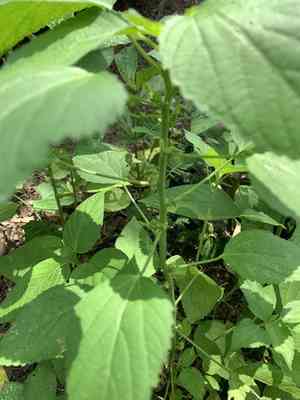
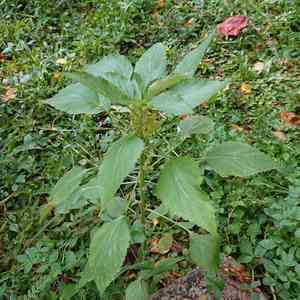
Images of Toothed bract indian copperleaf
Quickly Identify Toothed bract indian copperleaf
1
Identify by its lance-shaped leaves and small, inconspicuous flowers. Look for serrated leaf edges and a somewhat bushy appearance.
Scientific Classification of Toothed bract indian copperleaf
Phylum
Vascular plants
Class
Dicotyledons
Order
Malpighiales
Family
Spurge
Genus
Copperleafs
Species
Toothed bract indian copperleaf
Planting and Growing of Toothed bract indian copperleaf
Care Difficulty
Moderate
Watering Schedule
Every 4 days
Sunlight Requirements
Partial sun
Sunshine Duration
4-8 hours
Ideal Temperature
65-80℉
Soil Type
Potting Mix, Peat Mix
Soil pH
6.5-7.5
Fertilizer Type
Balanced
Pruning Season
Spring, Summer
Pruning Area
Branches, Leaves
Pruning Frequency
2 times a year
Repotting Season
Spring
Pot Type
Terracotta, Plastic
 How to Water Toothed bract indian copperleaf?
Acalypha lanceolata thrives when its soil is kept consistently moist but not waterlogged. Aim for around 300 milliliters per watering session. This amount should adequately moisten the soil, ensuring water reaches the roots while preventing any excess from sitting on top, which can lead to root rot.
What are the symptoms of an underwatered Toothed bract indian copperleaf?
›
What should I do if my Toothed bract indian copperleaf is not getting enough water?
›
What are the symptoms of an overwatered Toothed bract indian copperleaf?
›
How to save an overwatered Toothed bract indian copperleaf?
›
 What Are the Sunlight Requirements for Toothed bract indian copperleaf?
Acalypha lanceolata thrives in partial sun, enjoying 4-6 hours of sunlight daily. Ideal lighting supports healthier foliage, vibrant colors, and robust growth, enhancing the plant's aesthetic appeal and vigor.
Question 1: What is the ideal lighting for Acalypha lanceolata?
›
Question 2: How can I ensure my Acalypha lanceolata receives the right amount of light?
›
Question 3: What benefits does Acalypha lanceolata gain from ideal lighting?
›
 What Is the Ideal Temperature Range for Toothed bract indian copperleaf?
The ideal temperature range for Acalypha lanceolata is between 65°F and 80°F. Within this range, the plant can thrive with optimal growth and foliage development. Maintaining the plant at these temperatures ensures healthy metabolism and nutrient absorption, resulting in vibrant and lush foliage.
 What Soil is Best for Toothed bract indian copperleaf?
Acalypha lanceolata thrives in well-drained soil. This ensures that excess water flows away efficiently, preventing root rot. Proper drainage is vital for healthy root development and robust growth. The plant prefers soil rich in organic matter. This enhances the soil's fertility, providing essential nutrients for growth and vibrant foliage. While the soil should be well-drained, it also needs to retain some moisture to keep the plant hydrated. This balance helps prevent drought stress, promoting steady growth.
 How to Fertilize Toothed bract indian copperleaf?
For Acalypha lanceolata, it's important to apply a balanced fertilizer at half the recommended strength. They respond well to diluted feedings that ensure nutrients are available without overwhelming the roots.
 How to Prune Toothed bract indian copperleaf?
Trim back any long, leggy stems to encourage compact, bushy growth. Focus on cutting just above a node to promote branching out and fuller foliage. Regularly pinch off the growing tips to stimulate new growth. This method effectively increases the plant's density and overall attractiveness.
 How to Propagate Toothed bract indian copperleaf plant?
1
Select healthy and robust stems for cuttings, ideally from non-flowering shoots. The chosen stems should be disease-free and have strong vigor to ensure successful propagation.
2
Cuttings should be 4-6 inches long and the cut should be made just below a leaf node. Remove the lower leaves to minimize moisture loss and dip the cut end in rooting hormone to stimulate growth.
3
Seeds should be sown in a suitable seed mix, lightly covered with soil, and kept in a warm, bright location. Maintaining consistent moisture without waterlogging is crucial for seed germination.
 How to Repot Toothed bract indian copperleaf plant?
1
Acalypha lanceolata should be repotted when you notice roots coming out of the drainage holes or when its growth slows considerably. These are strong indicators that the plant has outgrown its current pot. Spring and summer are ideal seasons as the plant is in its active growth phase, making it more resilient to change.
2
When selecting a new pot for your Acalypha lanceolata, choose one that is 1-2 inches larger in diameter than the current pot. A pot that is too large can lead to water retention, causing root rot. Ensure the new pot has adequate drainage holes; this helps prevent water accumulation at the root level, maintaining a healthier root environment.
3
It's crucial to use rich, well-draining soil that can provide essential nutrients and prevent the water from stagnating. A soil mix that includes peat, perlite, and well-rotted compost works beautifully for Acalypha lanceolata. This combination improves aeration while offering nutrients, crucial for healthy growth.
Toxicity
Ingestion, Skin contact
WARNING
The judgment on toxicity and danger is for reference only. We DO NOT GUARANTEE any accuracy of such judgment. Therefore, you SHALL NOT rely on such judgment. It is IMPORTANT TO SEEK PROFESSIONAL ADVICE in advance when necessary.
Learn More About Toothed bract indian copperleaf Diseases
Anthracnose
Bacterial Leaf Spot
Bacterial Wilt
Black Spot
Chemical Injury
Crown Gall
Cyst Nematode
Damping-off
Downy Mildew
Drought Stress
Fusarium Wilt
Gray Mold
Leaf Curl
Leaf Spot
Mosaic
Nutrient Deficiency
Nutrient Toxicity
Powdery Mildew
Root Rot
Root-knot Nematode
Rusts
Sooty Mold
Spider Mites
Temperature Stress
Thrips Damage
White Mold



