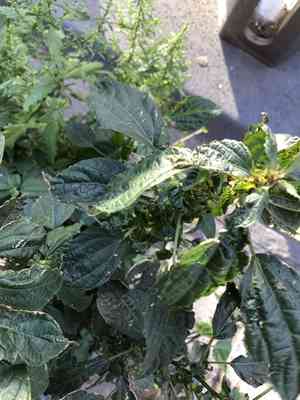
Asian copperleaf (Acalypha australis)
Also known as: Asiatic three-seeded mercury,, Copperleaf
Asian copperleaf, known scientifically as Acalypha australis, is a perennial plant that features spikes of small, copper-red flowers. Initially believed to be restricted to the New York area, this weed has now been identified in various parts of the United States as well.
In This Article
Attributes of Asian copperleaf
Lifespan
Annual
Plant Type
Herb
Plant Height
20 cm to 50 cm
Spread
Not applicable, as it is a herbaceous plant
Leaf Color
Green Blue Bronze
Flower Size
2.5 cm
Flower Color
Pink
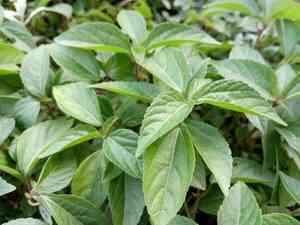
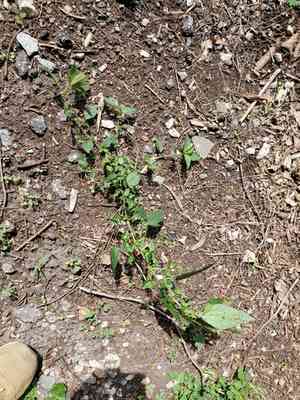
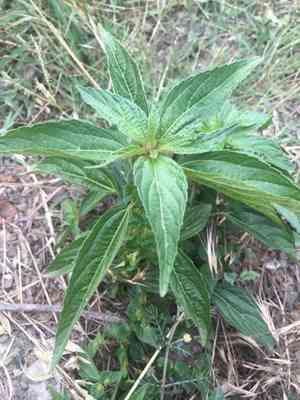
Images of Asian copperleaf
Quickly Identify Asian copperleaf
1
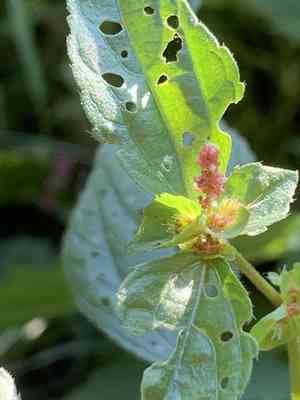
Acalypha australis can be identified by its herbaceous form, serrated leaves, and small, greenish flowers that grow in axillary inflorescences. The plant often grows erect and can be identified by its reddish stem.
Scientific Classification of Asian copperleaf
Phylum
Vascular plants
Class
Dicotyledons
Order
Malpighiales
Family
Spurge
Genus
Copperleafs
Species
Asian copperleaf
Planting and Growing of Asian copperleaf
Care Difficulty
Easy
Watering Schedule
Every 8 days
Sunlight Requirements
Partial sun
Sunshine Duration
6-12 hours
Ideal Temperature
65-77℉
Soil Type
Potting Mix, Peat Mix
Soil pH
6.5-7.5
Fertilizer Type
Balanced
Pruning Season
Spring, Summer
Pruning Area
Branches, Leaves
Pruning Frequency
2 times a year
Repotting Season
Spring
Pot Type
Plastic, Ceramic
 How to Water Asian copperleaf?
For Acalypha australis, ensure the soil is evenly moist but not waterlogged. Water generously so that the water penetrates deep enough to maintain consistent moisture around the root zone. About 250ml of water ensures this depth of penetration. Always check the top 2 cm of soil for dryness before watering again.
What are the symptoms of an underwatered Asian copperleaf?
›
What should I do if my Asian copperleaf is not getting enough water?
›
What are the symptoms of an overwatered Asian copperleaf?
›
How to save an overwatered Asian copperleaf?
›
 What Are the Sunlight Requirements for Asian copperleaf?
Acalypha australis thrives in a partial to full sun environment, which provides it several hours of sunlight daily. Ideal lighting enhances its growth vitality, ensuring lush foliage and improved structural resilience against adverse conditions.
What is the best light condition for Acalypha australis?
›
How can I achieve ideal lighting for my Acalypha australis?
›
What benefits does Acalypha australis gain from ideal lighting?
›
 What Is the Ideal Temperature Range for Asian copperleaf?
Acalypha australis thrives best within a temperature range of 65°F to 77°F. This range allows for optimal growth and ensures the plant receives suitable warmth for photosynthesis and metabolism without causing heat stress or cold damage. It's important to maintain this range consistently for the best results.
 What Soil is Best for Asian copperleaf?
Acalypha australis thrives in moist soils where there's consistent water availability. Loamy and clay soil types are excellent for retaining adequate moisture, ensuring the plant's roots have regular access to water, promoting healthy growth. This plant prefers nutrient-rich soils to achieve optimal growth. Soils like loam naturally contain a balanced mixture of sand, silt, and clay, which offers a nutrient-dense environment, critical for vibrant foliage and robust health. Acalypha australis needs well-drained soil to prevent root rot. Sandy loam, with its good drainage properties, helps remove excess water from the root zone, solving potential drainage issues and supporting the plant's longevity.
 How to Fertilize Asian copperleaf?
When fertilizing Acalypha australis, it is important to ensure moderate application: too little could result in stunted growth, while excessive use might burn the plant roots. Generally, applying a liquid fertilizer diluted to 1/4 strength once monthly or a slow-release fertilizer lightly once or twice a year is a good practice. Specifically, aiming for 5-10 grams per application of slow-release fertilizer can provide ample nutrients without overwhelming the plant's root system.
 How to Prune Asian copperleaf?
Begin pruning by removing any dead, diseased, or damaged branches. This helps in directing the plant's energy towards healthy growth and prevents the spread of pathogens and pests to other parts of the plant. After removing dead material, focus on shaping the plant. Trim back any straggly or overly long branches to maintain a compact and tidy appearance. This enhances the overall aesthetic and helps in controlling the size. To encourage new growth, make cuts just above a leaf node. This stimulates the plant to produce new shoots and foliage, leading to a denser and more robust plant. Be sure not to remove more than one-third of the total plant mass in one go, to avoid stress.
 How to Propagate Asian copperleaf plant?
1
Scatter the seeds over the prepared soil in a seed tray. Cover them lightly with a fine layer of soil, and water gently to avoid washing the seeds away. Ensure the seeds receive adequate sunlight or artificial light.
2
Select a healthy stem and use pruning shears to cut a section about 10-15cm long. Remove lower leaves and dip the cut end in rooting hormone before planting it in moist potting mix.
3
Water the seed tray or pots with cuttings thoroughly but ensure there's good drainage to prevent the seeds or cuttings from sitting in water, which can cause rot.
 How to Repot Asian copperleaf plant?
1
Look for signs such as roots emerging from the drainage holes, water not soaking into the soil, or the plant becoming top-heavy and unstable. These indicate that Acalypha australis is ready for a larger pot.
2
Select a pot that is slightly larger than the current one, with ample drainage holes to prevent waterlogging. A well-chosen pot ensures proper root development and reduces the risk of root rot.
3
Opt for a well-draining garden soil mix. Adding perlite or sand can enhance drainage, offering the roots an ideal environment to grow strong and healthy.
Learn More About Asian copperleaf Diseases
Anthracnose
Bacterial Leaf Spot
Bacterial Soft Rot
Bacterial Wilt
Black Spot
Chemical Injury
Crown Gall
Cyst Nematode
Damping-off
Downy Mildew
Drought Stress
Fusarium Wilt
Gray Mold
Leaf Curl
Leaf Spot
Mosaic
Nutrient Deficiency
Nutrient Toxicity
Powdery Mildew
Root Rot
Root-knot Nematode
Rusts
Sooty Mold
Spider Mites
Temperature Stress
Thrips Damage
White Mold


