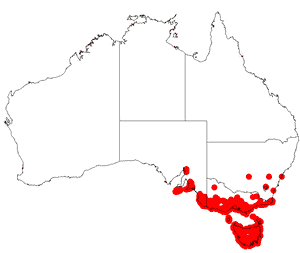
Star acacia (Acacia verticillata)
Also known as: Star-leaved acacia, Prickly-leaved wattle
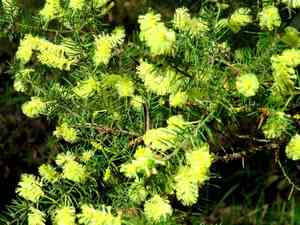
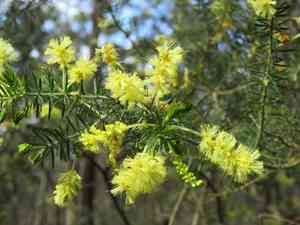
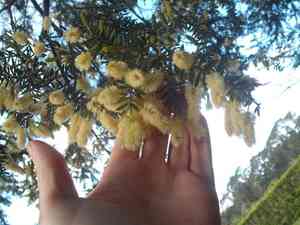
Star acacia (Acacia verticillata) is a visually appealing shrub well-suited for ornamental use in gardens, thanks to its distinctive star-shaped phyllodes and vibrant yellow flowers that attract birds. However, due to its flammability, it is advisable to plant it at a safe distance from buildings. Indigenous Australians historically utilized the plant's fibers to craft fishing lines. Additionally, in 2016, Acacia verticillata was depicted on an updated version of Australia's five-dollar note, highlighting its cultural significance.
In This Article
Attributes of Star acacia
Lifespan
Perennial
Plant Type
Tree, Shrub
Plant Height
10 m
Spread
3 m to 3.5 m
Leaf Color
Green Blue
Flower Size
0.5-1 cm
Flower Color
Yellow Green
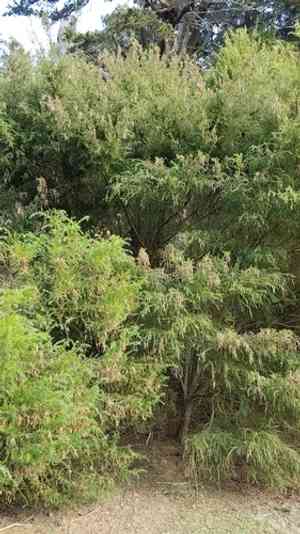
Images of Star acacia
Quickly Identify Star acacia
1
Identify by its spiny whorled leaves and clusters of small, spherical yellow flowers.
Scientific Classification of Star acacia
Phylum
Vascular plants
Class
Dicotyledons
Order
Fabales
Family
Legume
Genus
Acacias
Species
Star acacia
Planting and Growing of Star acacia
Care Difficulty
Easy
Watering Schedule
Every 4 days
Sunlight Requirements
Full sun
Sunshine Duration
4-8 hours
Ideal Temperature
59-77℉
Soil Type
Potting Mix, Peat Mix
Soil pH
6.5-7.5
Fertilizer Type
Balanced
Pruning Season
Spring, Summer
Pruning Area
Branches, Leaves
Pruning Frequency
2 times a year
Repotting Season
Spring
Pot Type
Plastic, Ceramic
 How to Water Star acacia?
When watering Acacia verticillata, aim for about 500 milliliters each time. Ensure the soil is evenly moist but not soggy. Check that the top layer of the soil, about 2-3 centimeters, dries out between waterings to prevent over-saturation and root issues.
What are the symptoms of an underwatered Star acacia?
›
What should I do if my Star acacia is not getting enough water?
›
What are the symptoms of an overwatered Star acacia?
›
How to save an overwatered Star acacia?
›
 What Are the Sunlight Requirements for Star acacia?
Acacia verticillata flourishes with full to partial sun exposure, about 6 to 8 hours. Such conditions enable it to photosynthesize effectively, maintaining its vigor and lush green appearance.
More About Sunlight Requirements Techniques→
Preferred Sunlight Intensity
›
Solutions for Ideal Lighting
›
Effects of Ideal Lighting
›
 What Is the Ideal Temperature Range for Star acacia?
The ideal temperature range for Acacia verticillata is between 59°F and 77°F. This range ensures optimal growth and plant health, providing the necessary warmth without exposing the plant to excessive heat.
 What Soil is Best for Star acacia?
Acacia verticillata thrives in well-drained soil, ensuring that water does not pool around its roots, which could lead to root rot. This requirement helps the plant maintain healthy roots and enhances its overall growth and resilience against diseases. This plant benefits from moderate levels of soil nutrients. Overly nutrient-rich or poor soil can hinder its growth. Opting for balanced is key to providing it with essential components for robust development. Acacia verticillata prefers environments with low soil salinity. High salt content can burn its roots and leaves. Keeping salinity levels low helps ensure that the plant's water uptake is efficient and not compromised.
 How to Fertilize Star acacia?
The fertilization amount for Acacia verticillata should be moderate. When using liquid fertilizers, it's essential to follow the packaging instructions, generally diluting the solution to half-strength. Use approximately 250ml of this diluted solution per plant each session. This helps maintain adequate nutrient levels without overwhelming the plant.
 How to Prune Star acacia?
Start by cutting away any dead or damaged branches near the base of the plant. Aim to maintain a compact shape, following the natural form of the Acacia verticillata. Avoid cutting into the thick limbs as this can harm the plant. Trim the tips of branches to encourage the plant to become bushier. Focus on the outer edges to maintain its shape while encouraging lateral growth, which will enhance both form and fullness.
More About Pruning Techniques→
 How to Propagate Star acacia plant?
1
Begin by soaking Acacia seeds in warm water for 24 hours to break dormancy. Fill seed trays with a free-draining soil mix and place seeds on the surface, covering them lightly with soil. Keep the tray in a warm environment to encourage germination.
2
Select healthy, non-flowering shoots from the current year's growth. Use disinfected pruning shears to take a cutting about 10-15 cm long, making sure it has several leaf nodes. Remove leaves from the lower half to reduce moisture loss.
3
Dip the cut end of the cutting into a rooting hormone to enhance root development. Plant the cutting in a pot filled with a coarse sand or perlite mix to ensure good drainage. Keep the cutting in indirect sunlight and mist it regularly to maintain humidity.
 How to Repot Star acacia plant?
1
The best time to repot Acacia verticillata is when you notice slow growth or root-bound conditions with roots coming out of the drainage holes. Repotting in Spring or Summer gives the plant the optimal growing conditions it needs to establish quickly in its new home.
2
Select a pot that is 1-2 inches larger in diameter than the current one. Ensure it has good drainage holes. This allows for adequate room for root expansion and ensures excess water can escape, preventing root rot, which Acacias are particularly vulnerable to.
3
Use a well-draining potting mix, consisting of sandy soil, perlite, and organic matter. This helps mimic the natural habitat of Acacia verticillata and prevents water from accumulating around the roots, which could lead to fungal problems.



