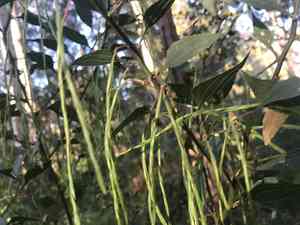
Acacia urophylla (Acacia urophylla)
Also known as: Acacia sigmoidea
Acacia urophylla, often recognized by its unique curved leaflets that resemble delicate fern fronds, plays a significant role in attracting wildlife in Australia. This small tree or shrub, with its lush deep-green foliage, is a magnet for various fauna. It thrives across diverse Australian habitats, flourishing particularly well in well-drained soils and areas receiving full sun to partial shade. Its resilience and adaptability make it an excellent choice for supporting local wildlife.
In This Article
Attributes of Acacia urophylla
Lifespan
Perennial
Plant Height
2.5 to 10 meters
Spread
2 to 4 meters
Leaf Color
Green
Flower Size
0.5 to 1 cm
Flower Color
Bright yellow
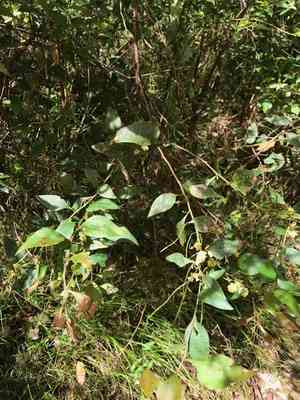
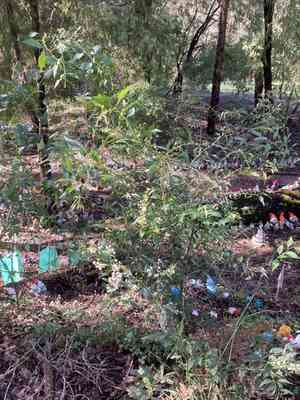
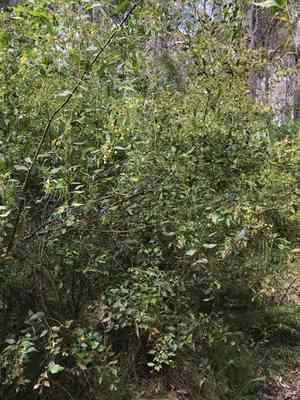
Images of Acacia urophylla
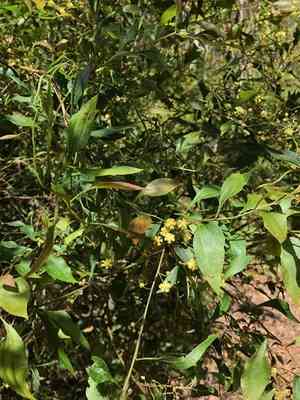
Quickly Identify Acacia urophylla
1
Distinguishable by its phyllodes (flattened leaf stems) which are curved and can be up to 12 cm long. The flowers are bright yellow and spherical in shape.
Scientific Classification of Acacia urophylla
Phylum
Vascular plants
Class
Dicotyledons
Order
Fabales
Family
Legume
Genus
Acacias
Species
Acacia urophylla
Planting and Growing of Acacia urophylla
Care Difficulty
Moderate
Watering Schedule
Every 2 days
Sunlight Requirements
Full sun
Sunshine Duration
4-8 hours
Ideal Temperature
60-75℉
Soil Type
Potting Mix, Peat Mix
Soil pH
6.5-7.5
Fertilizer Type
Balanced
Pruning Season
Spring, Summer
Pruning Area
Branches, Leaves
Pruning Frequency
2 times a year
Repotting Season
Spring
Pot Type
Plastic, Ceramic
 How to Water Acacia urophylla?
The watering amount for Acacia urophylla should be around 500 milliliters per session. It's essential to ensure water reaches the root zone without causing the soil to become overly saturated. A good practice is to allow the top inch of soil to dry out between waterings.
What are the symptoms of an underwatered Acacia urophylla?
›
What should I do if my Acacia urophylla is not getting enough water?
›
What are the symptoms of an overwatered Acacia urophylla?
›
How to save an overwatered Acacia urophylla?
›
 What Are the Sunlight Requirements for Acacia urophylla?
Acacia urophylla thrives in full or partial sun environments. Ideal light conditions support vigorous growth and help maximize flowering potential while minimizing risks of fungal diseases due to excessive shade.
How much sunlight is optimal?
›
What solutions ensure ideal sunlight exposure?
›
What benefits result from ideal sunlight exposure?
›
 What Is the Ideal Temperature Range for Acacia urophylla?
The ideal temperature range for Acacia urophylla is between 60°F and 75°F. This temperature range allows the plant to thrive and grow optimally. Within this range, the metabolic processes of the plant function efficiently, promoting healthy growth and robust foliage.
 What Soil is Best for Acacia urophylla?
Acacia urophylla thrives in soils with excellent drainage to prevent waterlogging, which can lead to root rot. Well-drained soil ensures the roots receive adequate oxygen, promoting healthy growth and resilience against diseases. Rich, nutrient-laden soil boosts the plant’s growth rate and overall health. Including organic material, such as compost, enhances the soil's fertility, providing essential nutrients that support strong foliage and flowering. While Acacia urophylla requires consistent moisture, the soil should not remain wet for prolonged periods. Maintaining moderate moisture levels supports its growth by preventing dehydration without risking root diseases caused by excessive moisture.
 How to Fertilize Acacia urophylla?
For Acacia urophylla, the recommended amount of liquid fertilizer is to dilute a balanced water-soluble fertilizer to half strength. Use about 10 ml per liter of water to prevent any potential root burn. For slow-release fertilizers, apply 5 grams per plant annually, ensuring that you are not overwhelming the plant's nutrient absorption capabilities.
 How to Prune Acacia urophylla?
Begin by identifying branches that disrupt the desired shape of the tree. Carefully remove these branches to maintain a balanced and aesthetically pleasing canopy. A well-shaped tree not only looks good but also allows better air and light penetration. Focus on removing any dead, diseased, or damaged branches. This practice not only prevents the spread of disease but also allocates resources to healthier parts of the tree, promoting overall vigor. Strategically prune back overgrown areas to stimulate new growth. Cutting at the right angle, just above a leaf node, encourages branching and develops a fuller canopy.
More About Pruning Techniques→
 How to Propagate Acacia urophylla plant?
1
Select mature seeds for sowing. Soak them in warm water for 24 hours to enhance germination rates. This mimics natural conditions where seeds undergo scarification.
2
Use a sharp knife to take semi-hardwood cuttings from healthy plant parts in early morning when plant moisture is highest. Each cutting should be 4-6 inches long with a few leaves removed at the base.
3
Plant seeds or cuttings in a sand and peat mix, and keep them in a bright area with indirect sunlight. Maintain optimal soil moisture by covering with plastic to retain humidity.
 How to Repot Acacia urophylla plant?
1
Acacia urophylla typically signals its need for repotting when you notice roots emerging from the drainage holes or the plant becoming root-bound, appearing stunted or having poor growth. Ideally, repot in early spring or autumn to minimize stress and encourage healthy growth.
2
Select a new pot that is 2-4 inches larger in diameter than the current one. Ensure the pot has drainage holes to prevent waterlogging. The size increase gives roots ample room to grow, supporting the plant's lush development and helping it stabilize.
3
Use well-draining sandy soil to match Acacia urophylla's natural habitat. This prevents root rot by ensuring excess water doesn't accumulate around the roots, providing a balanced environment for healthy root expansion.
Learn More About Acacia urophylla Diseases
Anthracnose
Bacterial Leaf Spot
Bacterial Soft Rot
Bacterial Wilt
Crown Gall
Cyst Nematode
Damping-off
Downy Mildew
Drought Stress
Fusarium Wilt
Gray Mold
Leaf Spot
Mosaic
Nutrient Deficiency
Nutrient Toxicity
Powdery Mildew
Root Rot
Root-knot Nematode
Rusts
Sooty Mold
Spider Mites
Temperature Stress
Thrips Damage
White Mold



