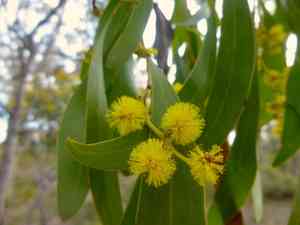
Golden wattle (Acacia pycnantha)
Also known as: Australian golden wattle
The Golden Wattle (Acacia pycnantha) is a tree native to southeastern Australia and serves as the country's official floral emblem. Belonging to the legume family, its bark is rich in tannins and has been used for this purpose. The tree's yellow flowers attract nectar-eating birds for cross-pollination.
In This Article
Attributes of Golden wattle
Lifespan
Perennial
Plant Type
Tree, Shrub
Plant Height
7 m
Spread
5 m
Leaf Color
Green
Flower Size
2.5 cm to 9 cm
Flower Color
Yellow Gold
Images of Golden wattle
Quickly Identify Golden wattle
1
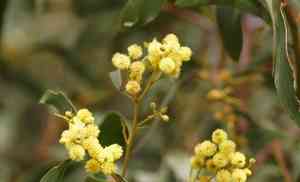
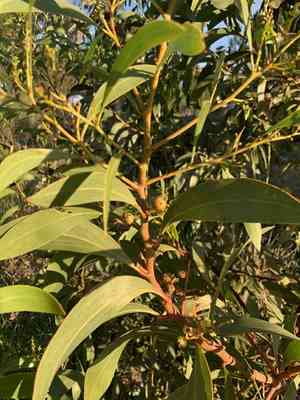
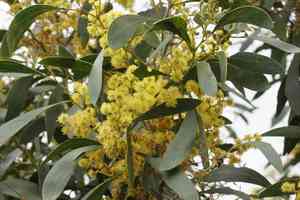
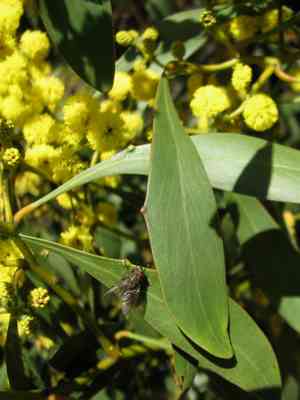
Golden Wattle can be identified by its bright yellow, ball-shaped flowers arranged in clusters, and its long, narrow phyllodes (leaf-like structures) that are green to blue-grey in color. It typically grows to a height of 4–8 meters with a spreading, dense crown.
Scientific Classification of Golden wattle
Phylum
Vascular plants
Class
Dicotyledons
Order
Fabales
Family
Legume
Genus
Acacias
Species
Golden wattle
Planting and Growing of Golden wattle
Care Difficulty
Easy
Watering Schedule
Every 2 days
Sunlight Requirements
Full sun
Sunshine Duration
4-8 hours
Ideal Temperature
59-86℉
Soil Type
Potting Mix, Peat Mix
Soil pH
6.5-7.5
Fertilizer Type
Balanced
Pruning Season
Spring, Summer
Pruning Area
Branches, Leaves
Pruning Frequency
2 times a year
Repotting Season
Spring
Pot Type
Plastic, Ceramic
 How to Water Golden wattle?
Acacia pycnantha prefers modest watering. Ensure soil is soaked thoroughly, but not flooded. Allow the top 2-3 cm of soil to dry out between waterings to prevent root rot.
What are the symptoms of an underwatered Golden wattle?
›
What should I do if my Golden wattle is not getting enough water?
›
What are the symptoms of an overwatered Golden wattle?
›
How to save an overwatered Golden wattle?
›
 What Are the Sunlight Requirements for Golden wattle?
Acacia pycnantha prefers full sun exposure. Ideal lighting ensures that the plant maintains healthy foliage, promotes flowering, and supports an overall resilient growth habit.
More About Sunlight Requirements Techniques→
What is the ideal lighting for Acacia pycnantha?
›
How can you ensure Acacia pycnantha gets ideal lighting?
›
What are the benefits of providing ideal lighting?
›
 What Is the Ideal Temperature Range for Golden wattle?
The ideal temperature range for the growth of Acacia pycnantha is between 59°F and 86°F. These temperatures mimic the conditions found in its native Australian habitat, where mild to warm temperatures most support effective photosynthesis and other vital growth processes. Maintaining this temperature range ensures the plant stays healthy and productive in producing its characteristic flowers and foliage.
 What Soil is Best for Golden wattle?
Acacia pycnantha thrives in well-drained soils that prevent waterlogging and root rot. This condition allows the roots to absorb nutrients effectively, promoting healthy growth and robust foliage. The plant benefits from soils rich in organic matter, enhancing fertility and structure. This nutrient abundance supports vigorous growth and vibrant flowering, making the plant more resilient to environmental stresses. The sandy texture of the soil benefits Acacia pycnantha by facilitating drainage and air circulation. This ensures the root system receives adequate aeration, preventing conditions that could lead to disease and decay.
 How to Fertilize Golden wattle?
Acacia pycnantha, also known as the golden wattle, thrives on a moderate amount of fertilizer. This plant prefers light to moderate feeding, as its natural habitat features nutrient-poor soils. Over-fertilization can lead to excessive leaf growth at the expense of flowering. A balanced, general-purpose fertilizer diluted to half strength is usually sufficient.
 How to Prune Golden wattle?
Start by closely examining the tree and identify any branches that appear dead, damaged, or infected. Removing these branches allows the plant to direct its resources towards healthy growth. To achieve a balanced shape, prune branches to encourage an even canopy. Focus on removing inward-growing branches and those that cross or rub against each other. Improve air circulation by selectively thinning the canopy. This helps reduce humidity within the foliage, minimizing the risk of mold or mildew. At the end of the growing season, lightly prune new growth to maintain the desired shape and size, and to enable the tree to establish stronger branch structures.
More About Pruning Techniques→
 How to Propagate Golden wattle plant?
1
Collect mature seeds from the pods. Scarify them by gently rubbing with sandpaper to assist in water penetration. This step is crucial to break seed dormancy and improve germination rates.
2
Place the seeds in the seed tray filled with the potting mix. Cover them lightly with soil, about 1.5 times their diameter. Water gently to ensure the seeds remain moist without being waterlogged.
3
Keep the seed tray in a warm, well-lit area, but out of direct sunlight. Maintain a consistent moisture level by misting rather than pouring water. Expect germination to occur within 2-4 weeks.
 How to Repot Golden wattle plant?
1
The best time to repot Acacia pycnantha is when you observe roots emerging from the pot's drainage holes or when growth has noticeably slowed. This typically indicates that the plant has outgrown its current container and requires more space to thrive.
2
Select a pot that is one to two inches larger in diameter than the current pot. Ensure it has ample drainage holes to prevent waterlogging, which can be detrimental to the plant’s health. A larger pot gives roots space to grow and reduces the need for frequent replanting.
3
Use a soil mix that is well-draining yet retains some moisture. A sandy loam mixture with added grit or perlite is ideal. This ensures that the roots do not become waterlogged but have adequate moisture to support healthy growth.
Toxicity
Ingestion
WARNING
The judgment on toxicity and danger is for reference only. We DO NOT GUARANTEE any accuracy of such judgment. Therefore, you SHALL NOT rely on such judgment. It is IMPORTANT TO SEEK PROFESSIONAL ADVICE in advance when necessary.
Learn More About Golden wattle Diseases
Anthracnose
Bacterial Leaf Spot
Bacterial Soft Rot
Chemical Injury
Crown Gall
Cyst Nematode
Damping-off
Drought Stress
Fusarium Wilt
Gray Mold
Leaf Spot
Mosaic
Nutrient Deficiency
Nutrient Toxicity
Powdery Mildew
Root Rot
Root-knot Nematode
Rusts
Sooty Mold
Spider Mites
Temperature Stress
Thrips Damage
White Mold



